
Serengeti National Park 1 Day Fly-In Safari from Arusha Tanzania
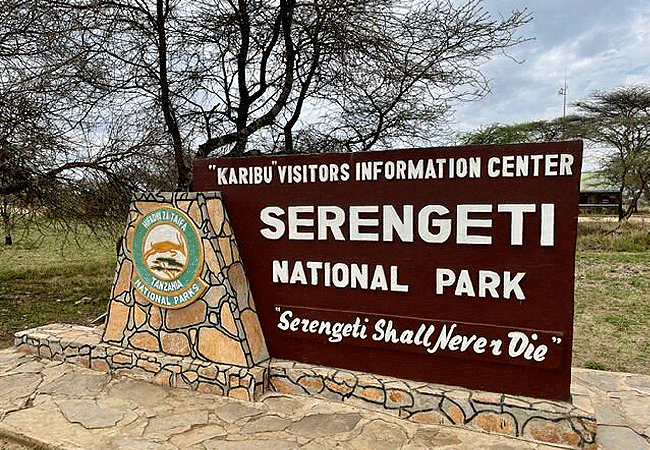
Serengeti National Park 1 Day Fly-In Safari from Arusha Tanzania begins and ends in Arusha and offers an unforgettable Serengeti Safari —a fly-in adventure that maximizes your time in Africa’s most iconic wilderness.
This 1-day fly-in safari offers outstanding value for time-conscious travelers and places you at the heart of the Great Migration and prime year-round wildlife areas of the Serengeti National Park (a UNESCO World Heritage Site) that spans approximately 15,000 square kilometers.
Fly directly into the heart of the Serengeti National Park, enjoy full-day private game drives in your dedicated 4×4 Land Cruiser with a professional guide, and fly back the same evening. Spot the Big Five, vast herds on the plains, and possibly the Great Migration – maximum wildlife time with zero long drives.
Full-Day Serengeti Experience by Air
0500 Hours – 0600 Hours: Departure & Scenic Flight
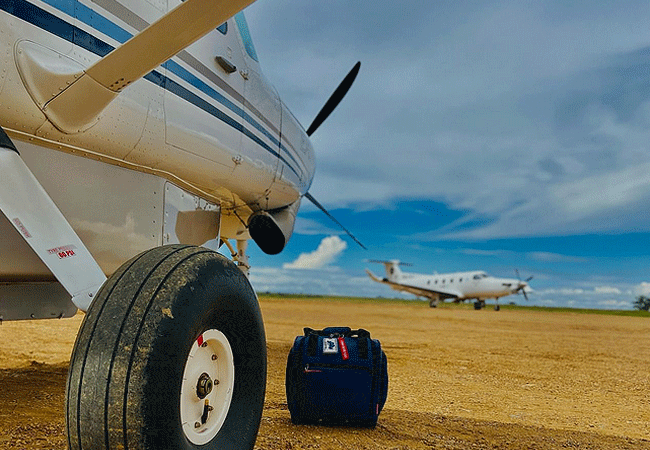
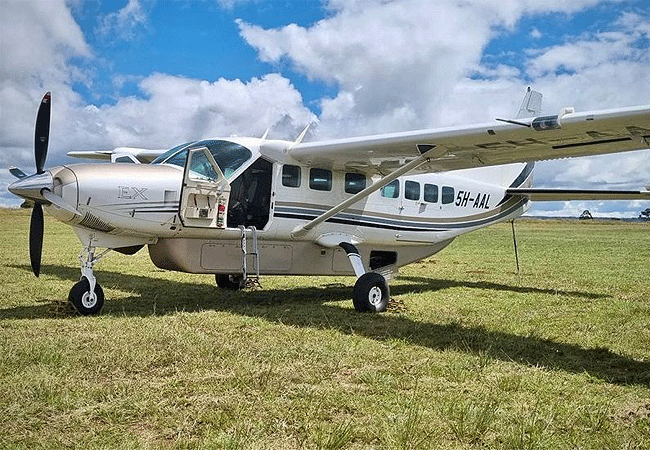
Your adventure begins with an early-morning pickup from your Arusha hotel, then a transfer to Arusha Airport. Board a small aircraft for a scenic 45-minute flight over the Great Rift Valley, offering breathtaking aerial views of the Maasai Steppe and northern Tanzania’s volcanic terrain.
0700 Hours – 0800 Hours: Arrival & Introduction to the Plains
Touch down at the Seronera Airstrip in the heart of the Central Serengeti. You will be welcomed by your personal, expert guide and climb into a specialized 4×4 Land Cruiser featuring a pop-up roof for optimal 360-degree viewing.
0800 Hours – 1200 Hours: Morning Game Drive (Predator Tracking)
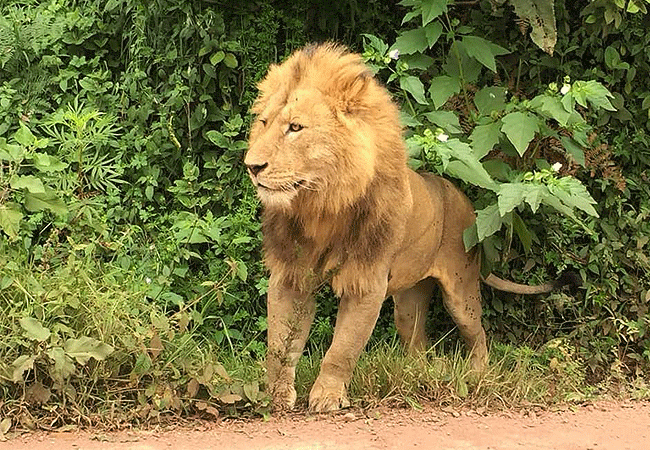
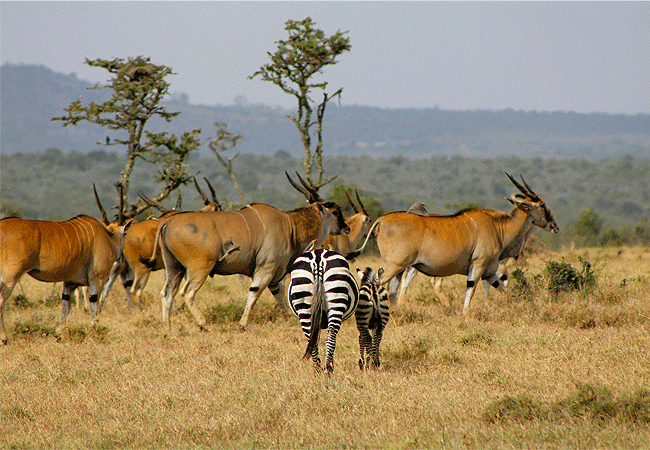
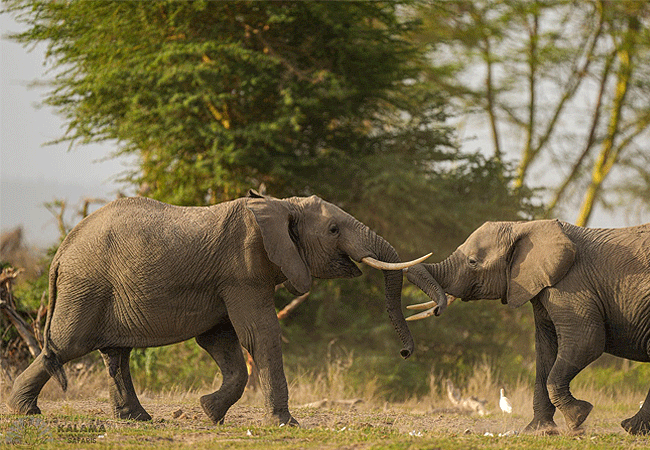
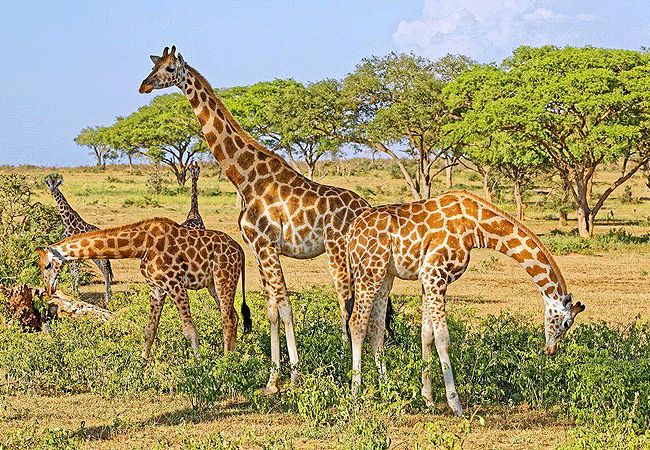
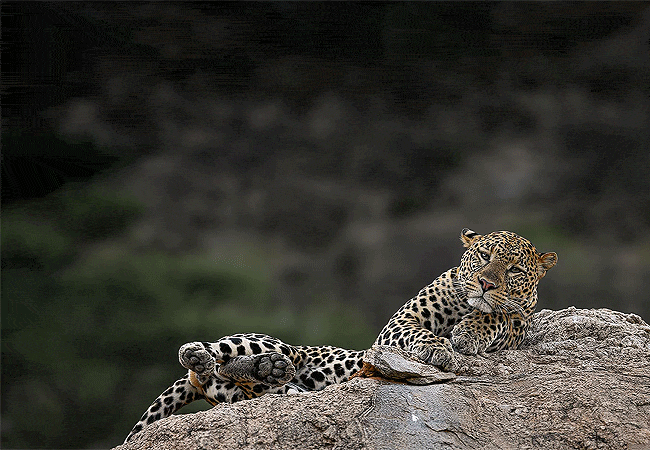
Spend the morning exploring the Serengeti’s Seronera Valley, an area famed for its year-round high concentration of resident wildlife. Your guide will track lions, leopards, and cheetahs, which are particularly active at this time. Traverse the vast savannah to spot herds of wildebeest, zebras, giraffes, and African elephants.
If you are visiting between June and October, you might even encounter the Great Wildebeest Migration
1230 Hours – 1400 Hours: Bush Lunch & Relaxation
Pause for a well-deserved picnic lunch at a carefully selected scenic spot—perhaps beneath a shade-giving acacia tree or atop a rocky kopje (rocky outcrop) offering panoramic views of the Serengeti plains.
1400 Hours – 1600 Hours: Afternoon Game Drive & Biodiversity
After lunch, enjoy an extended afternoon game drive. This is the perfect time to capture high-quality photographs of predator-prey dynamics and explore different habitats, including riparian woodland along the Seronera River, which attracts diverse birdlife, hippos, and crocodiles.
1630 Hours – 1930 Hours: Departure & Return to Arusha
In the late afternoon, make your way back toward the airstrip for a final look at the “Endless Plains.” Board your return charter flight, landing back in Arusha around 6:30–7:00 PM, followed by a transfer back to your hotel by 7:30–8:00 PM, ending an action-packed, seamless experience
Serengeti National Park 1 Day Fly-In Safari includes
✓ Full-day game drives (morning + afternoon)
✓ Private vehicle and driver guide exclusively for you in Serengeti
✓ Depart from Arusha Airport (ARK) – the primary hub for bush planes
✓ Picnic lunch in the wilderness at a designated, scenic site in the Serengeti
✓ Early morning round-trip charter flight from Arusha (45 minutes each way)
✓ Focus on the Serengeti Central/Seronera area for high wildlife density all year-round
Serengeti National Park 1 Day Fly-In Safari Itinerary
0600Hours – 0700 Hours: Pick-up from your hotel in Arusha and transfer to Arusha Airport
0730 Hours – 0800 Hours: Departure on a scenic, roughly 1-hour flight over the Great Rift Valley and crater highlands.
0900 Hours – 1500 Hours: Arrival at Seronera Airstrip (central Serengeti) followed by a full-day game drive with a packed lunch. Focus on spotting Big Five game in the Serengeti plains.
1600 Hours – 1700 Hours: Return flight from Seronera to Arusha Airport.
1800 Hours: Drop-off at your hotel in Arusha
Important Information
Activities: Private 4×4 game drives, packed or bush lunch, and specialized guide services
Packing: Bring cameras, binoculars, sunscreen, and warm clothing for the early morning
Private Tours: Private options offer flexibility to focus on specific wildlife, such as the big cats
Cost: Includes flights, park fees (approx. $83+ USD for adults), vehicle fees, and guide services
Book in Advance: Flights and safari vehicles in the Serengeti fill up quickly, especially during peak season
Luggage: Flights often have strict weight restrictions, which usually apply for small bush planes, often around 15kg (33 lbs) in soft-sided bags
Airstrips: Common arrival points include Seronera (central), Kogatende (north), or Grumeti (west), depending on the season and migration location
What to Expect Wildlife: High chances of seeing the Big Five (lion, leopard, elephant, buffalo, and rhino), plus giraffes, zebras, and wildebeests
Logistics: Departures are usually from Arusha Airport (ARK) around 0700 Hours, arriving in the Serengeti around 0900 Hours –1000 Hours, allowing for 6-8 hours of game viewing
Serengeti National Park 1 Day Fly-In Safari includes round-trip flights, airport transfers, a full-day game drive in a 4×4 vehicle with a professional guide, park fees, and a picnic lunch
Serengeti National Park 1 Day Fly-In Safari Prices exclude
• Travel insurance
• Balloon safari (optional add-on)
• Alcoholic Beverages: Beer, wine, or spirits with lunch
• Tips for the driver-guide and flight crew (highly recommended)
• Personal Expenses: Souvenirs, laundry, and items of a personal nature
• Visas and Travel Insurance: International flights and travel insurance are not included
Why Visit Serengeti National Park?
Serengeti Safaris are renowned for their vast open plains, abundant wildlife, and the breathtaking Wildebeest Great Migration. Home to the Big 5 of Africa – lion, leopard, elephant, buffalo, and rhino – the Serengeti National Park in Tanzania is a year-round safari destination.
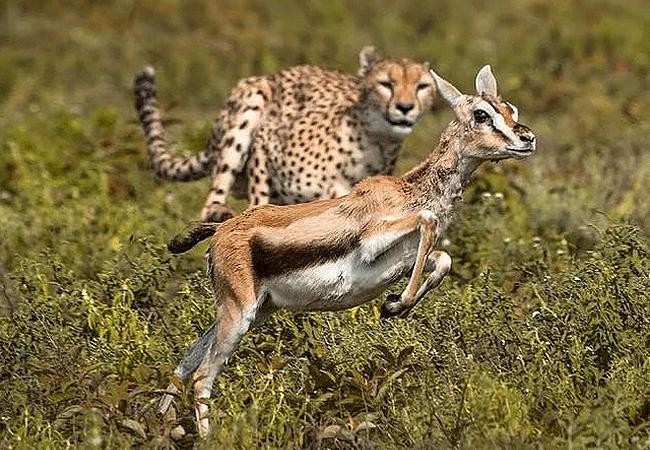
The huge herds of wildebeest, zebras, and gazelles are matched by large predator populations, making the Serengeti one of the top safari destinations for predator-prey interactions.
Whether witnessing the drama of river crossings on the Great Migration, seeing lions and cheetahs on the hunt, or floating above the plains in a hot air balloon, the Serengeti Park offers an African safari like no other.
Year-Round Wildlife
The Serengeti National Park is a haven for wildlife throughout the year. From the northern reaches bordering the Masai Mara in Kenya to the southern areas bordering the Ngorongoro Conservation Area, Serengeti Safaris offers exceptional year-round game viewing.
While the central Seronera region is a predator hotspot, where lions, leopards, and cheetahs roam the acacia-dotted plains and granite kopjes, the southern Ndutu Region hosts the Wildebeest Great Migration calving season from January to March.
The Northern Serengeti is best known for the dramatic Great Migration river crossings from July to October. At this time, thousands of wildebeest must cross the crocodile-infested waters of the Grumeti and the Mara Rivers.
The Serengeti in Tanzania supports a vast array of wildlife. From huge numbers of antelope and the predators and scavengers that rely on them, as well as giraffes and elephants, Serengeti Safaris deliver some of Africa’s most exciting wildlife encounters.
The Great Migration
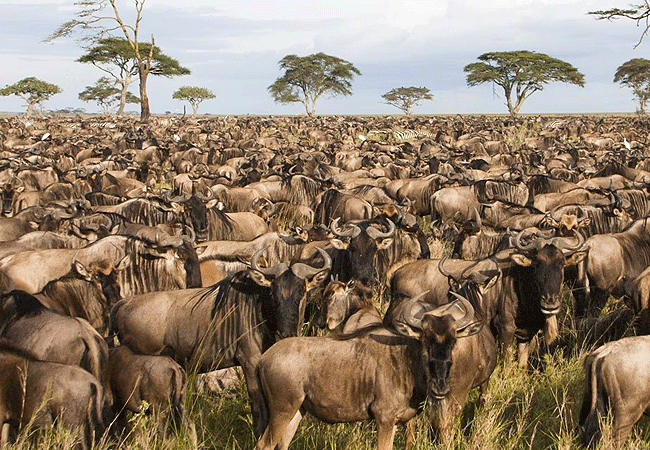
The Great Migration in the Serengeti is one of the world’s most spectacular wildlife events. Over 1.5 million wildebeest, over 200,000 zebras, and 300,000 Thomson’s gazelles cross the open plains in search of fresh grazing.
The cycle begins in the Southern Serengeti from late December and early January, where thousands of wildebeest gather to give birth. Predators follow, resulting in some of the best predator action in Africa.
From April, the herds begin crossing the predator-rich central Seronera. From June, they begin crossing the Grumeti River, and by August, the herds have reached the Mara River, where massive crocodiles lie in wait.
As the dry season draws to a close, the migration herds disperse across the Serengeti before gathering again in late December in the south. While the Great Migration is best known for the movement of the herds of wildebeest, predators, including lions, cheetahs, and hyenas, are never far behind.
Seeing the Wildebeest Great Migration on a Serengeti safari is the quintessential wildlife experience. Thrilling wildlife encounters are part and parcel of the last great terrestrial migration on Earth.
The Best Time to Visit Serengeti National Park?
The best time to visit the Serengeti is during the dry season from July to September. This is the most popular time to see the Great Migration in Tanzania as the herds navigate the river crossings of the Grumeti and Mara Rivers.
However, with so much to offer, Serengeti Park is a year-round safari destination, and the best time to visit depends on you (your budget and preferences) and what you want to see.
January to March
From late December, the herds begin to gather in the southern Ndutu region of the Serengeti National Park. During the calving season from January to March, thousands of wildebeest give birth. Calves must walk within minutes or fall victim to lions, hyenas, and other predators.
This is an excellent time to witness dramatic predator-prey interactions against a lush green backdrop, perfect for keen photographers. It is also a much quieter time, with fewer tourists.
April to June
In Serengeti, the long rains fall from April to June. This is the green season, and many lodges close due to flooded or impassable roads. The green season offers reduced rates for the budget traveller.
At this time, Serengeti safaris offer lush and green landscapes with very few tourists. By late June, some of the herds have reached the western corridor and must cross the Grumeti River, which, together with the Mara River crossing, provides some of the Great Migrations’ most dramatic wildlife encounters.
July to October
From July to October is the peak season in Tanzania’s Serengeti National Park. Dry conditions make spotting game easier, and the crocodile-infested Mara River crossings are the major highlights. Expect high drama and excellent game viewing.
High demand, however, means premium Serengeti safari prices and larger crowds. Book early to avoid disappointment and visit our Serengeti Safari Cost Guide for tips.
November and December
November traditionally marks the arrival of the short rains in northern Tanzania. The migration herds move south from the Masai Mara in Kenya and disperse back into the northern and central Serengeti, then head to the Ndutu Plains, where they begin to calve in January.
The landscape, after the dry winter months, transforms into verdant greens. For those seeking quieter Serengeti safaris and better rates, there are fewer visitors, and it is a good time for avid bird watchers.
Booking & Reservations Serengeti National Park 1 Day Fly-In Safari from Arusha Tanzania Contact
Mobile: + 254-721-242-711
WhatsApp: +254-721-242-711
Email: [email protected]
Website: https://africanspicesafaris.com