
Watamu Marine National Park & Reserve | Kilifi County | North Coast of Kenya
Watamu Marine National Park & Reserve is one of Kenya’s most spectacular coastal destinations, a world-class marine sanctuary tucked along Kenya’s north coast in the town of Watamu, Kilifi County, approximately 140 km north of Mombasa.
Encompassing approximately 10 square kilometres of pristine coral reef ecosystem situated just 300 metres offshore, the park forms part of a larger complex of marine and tidal habitats that includes the adjacent Malindi Marine National Park and Reserve.
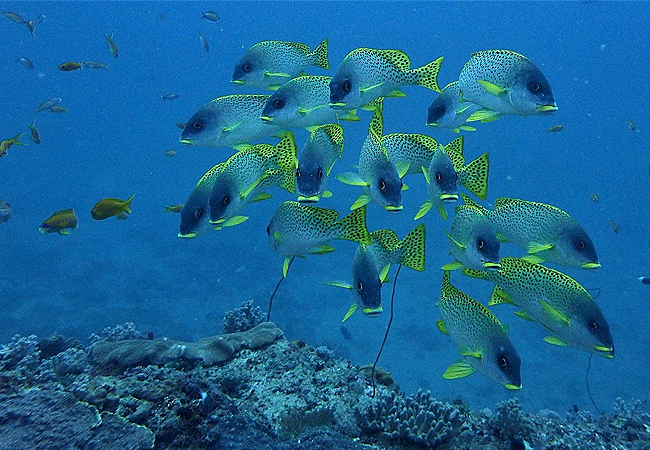
The park’s crystal-clear turquoise waters are home to over 500 fish species, more than 150 species of hard and soft corals, and a breathtaking diversity of marine life ranging from tiny clownfish to majestic whale sharks and manta rays.
Its beautiful sandy beaches serve as nesting grounds for endangered green turtles, making it one of the most important sea turtle conservation sites on the East African coast. The park is open daily from 6:00 AM to 6:00 PM.
Beyond the water, Watamu’s surrounding landscape offers birdwatching, cultural heritage sites, and some of East Africa’s most unique natural attractions, including the legendary Arabuko Sokoke Forest and the ancient Gede Ruins, making it a destination that rewards visitors with far more than just a beach holiday.
Location & Accessibility
Watamu Marine National Park is located on Kenya’s north coast in Kilifi County, near the town of Watamu, approximately 140 km north of Mombasa and 27 km south of Malindi.
By Road:
✓ From Malindi: 27 km via the B8 road, approximately 30 minutes
✓ From Mombasa: 120 km via the A109 and B8 highways approximately 2.5 to 3 hours
✓ Access to the Park: The marine park has no single entrance gate; it is accessed from various points along the Watamu beachfront
By Air:
✓ Nearest Airport: Malindi Airport, 25 km from Watamu
✓ Ground Transfer: A 30-minute taxi ride from Malindi Airport to Watamu
✓ Flight: Regular domestic flights from Nairobi to Malindi take approximately 1 hour (available via Jambojet and other carriers)
Marine Ecosystem & Coral Reefs
The heart of Watamu Marine National Park is its extraordinary coral reef system, one of the finest and most biodiverse in the Indian Ocean. Located approximately 300 metres offshore, these reefs are the foundation of the entire marine ecosystem.
✓ Coral Gardens: Vibrant, colourful coral gardens teeming with life — the park’s primary snorkelling and diving attraction
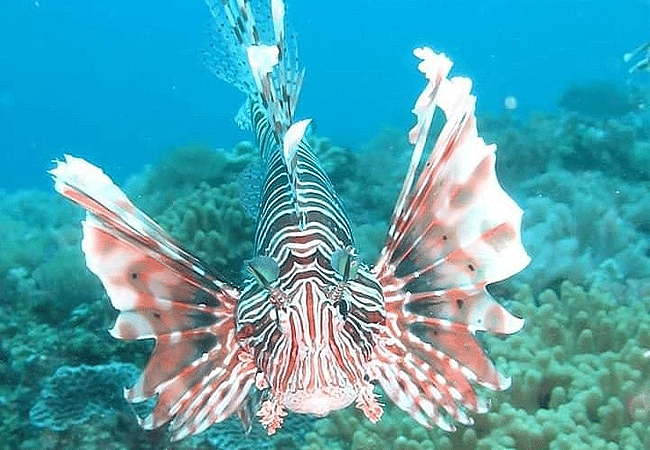
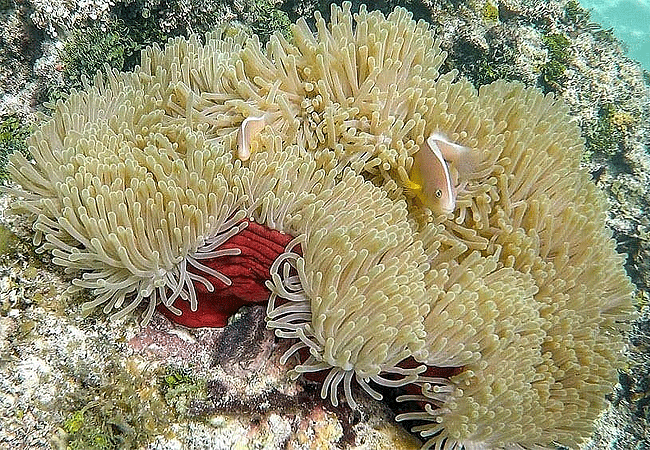
✓ Fish Species: More than 500 fish species recorded in the park’s waters, including parrotfish, angelfish, groupers, damselfish, lionfish, snappers, and clownfish
✓ Coral Diversity: Over 150 species of hard and soft corals, including brain corals, fan corals, and sponges, creating a rich three-dimensional habitat for marine life
✓ Tidal Habitats: The park is part of a complex of marine and tidal habitats along Kenya’s north coast, linking it ecologically to the broader Malindi Marine Park system
Marine Wildlife
Sea Turtles
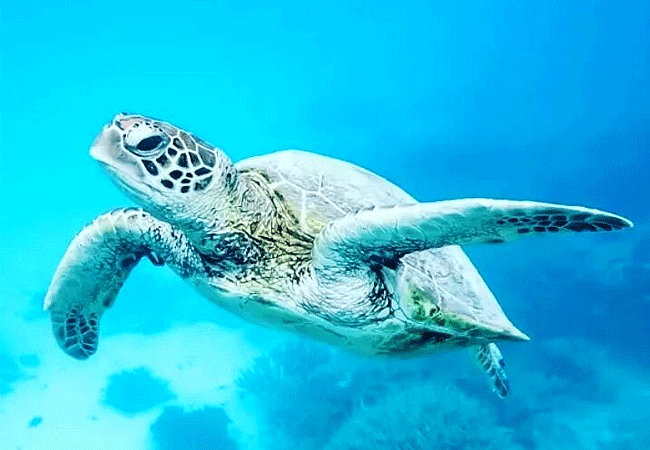
Watamu Marine National Park is one of the most important sea turtle nesting and conservation sites on the East African coast.
✓ Green Turtles: The park’s beaches serve as primary nesting grounds for endangered green turtles
✓ Nesting Season: Turtle nesting and hatching occur year-round, but peak in summer between May and August. Sightings cannot be guaranteed
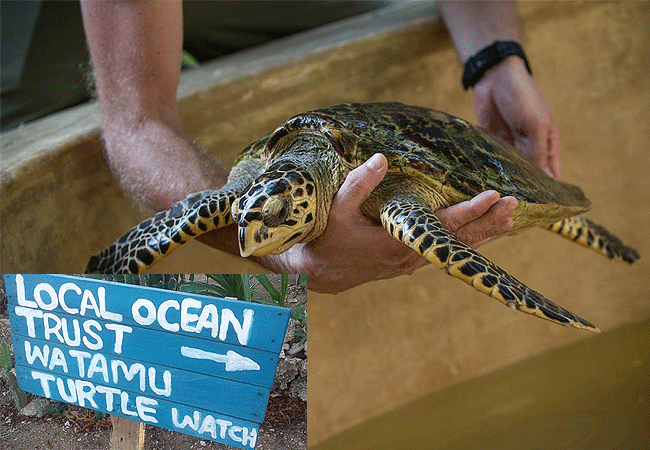
✓ Watamu Turtle Watch: A dedicated conservation initiative involving the local community in protecting sea turtles; programs include nest monitoring and bycatch release; visitors can participate in educational activities and occasionally witness turtle releases
Other Marine Species
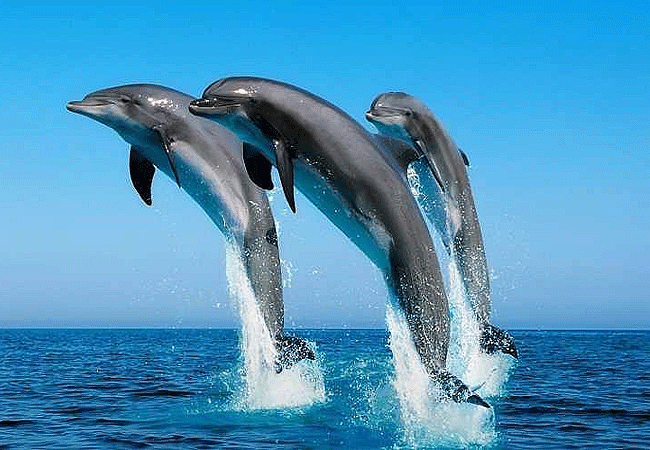
✓ Dolphins: Humpback dolphins are regularly seen in the park’s waters
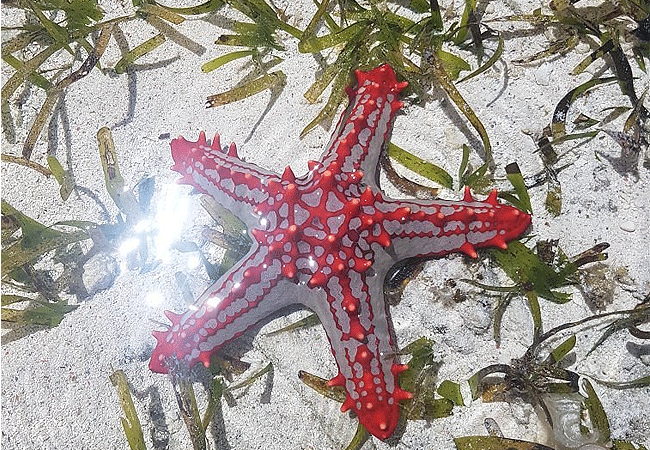
✓ Other Marine Life: Sea urchins, starfish, moray eels, and a wide variety of invertebrates inhabit the coral gardens
✓ Large Marine Visitors: Whale sharks and manta rays are seasonal visitors, adding to the park’s allure for divers and marine enthusiasts
✓ Reef Fish: Parrotfish, angelfish, groupers, lionfish, damselfish, octopus, and snappers are among the most commonly encountered species on the reef
Birdlife
Watamu’s coastal gardens, bushlands, and surrounding habitats support over 100 bird species, making it a rewarding destination for birdwatchers visiting the coast.
✓ Raptors & Common Species: Black kite, lizard buzzard, and lilac-breasted roller are frequently observed
✓ Garden & Bush Birds: Common bulbul, white-browed coucal, speckled mousebird, yellow canary, and golden palm weaver
✓ Coastal Specialities: A variety of coastal and marine bird species are present along the shoreline and in the adjacent Arabuko Sokoke Forest
Activities
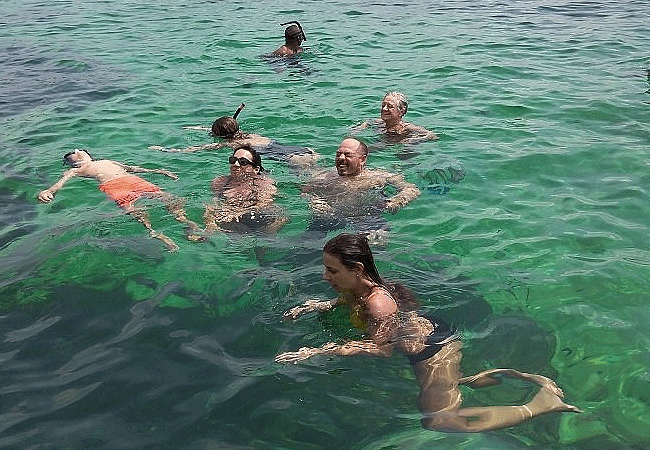
Snorkelling & Scuba Diving
✓ Equipment: Snorkelling and scuba diving equipment available for hire within the park
✓ Marine Life: Encounters with over 500 fish species, sea turtles, dolphins, whale sharks, and manta rays
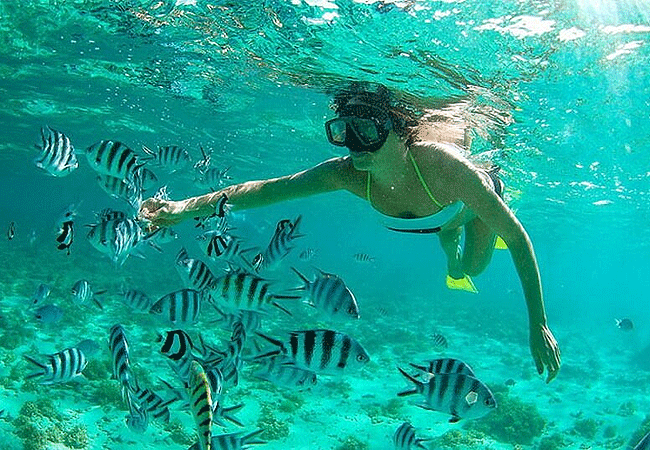
✓ Experience: The park’s warm, clear waters and vibrant coral reefs make it one of Kenya’s premier snorkelling and diving destinations, ideal for both beginners and experienced divers
Glass Bottom Boat Rides
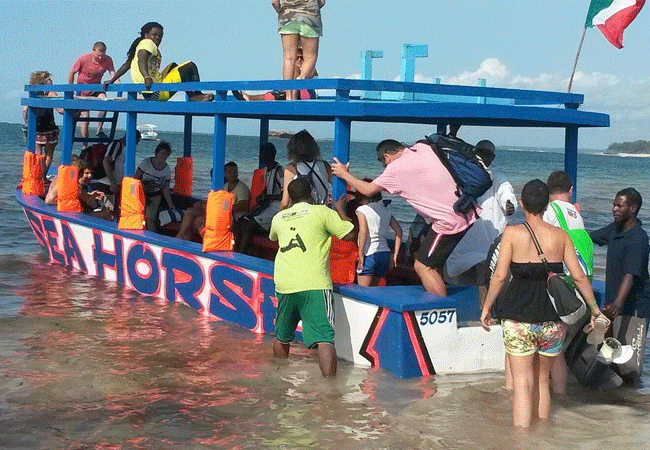
✓ Views: Clear glass panels on the boat floor reveal the vibrant underwater world of Watamu’s coral gardens
✓ Experience: A family-friendly way to explore the coral reefs and their marine inhabitants without getting wet; suitable for all ages and swimming abilities
Watamu Turtle Watch
✓ Visitor Experience: Educational activities, guided turtle encounters, and the opportunity to witness turtle releases back into the ocean
✓ Conservation: Participate in one of East Africa’s most impactful sea turtle conservation programmes, including nest monitoring, bycatch release, and turtle rehabilitation
Water Skiing & Windsurfing
✓ Safety: Designated areas within the park ensure a safe and enjoyable experience
✓ Conditions: Watamu’s breezy Indian Ocean conditions are ideal for both water skiing and windsurfing
Big Game Fishing
✓ Season: December to March is the prime big game fishing season
✓ Competitions: International big game fishing competitions are held in the marine park during this period
Beach Activities
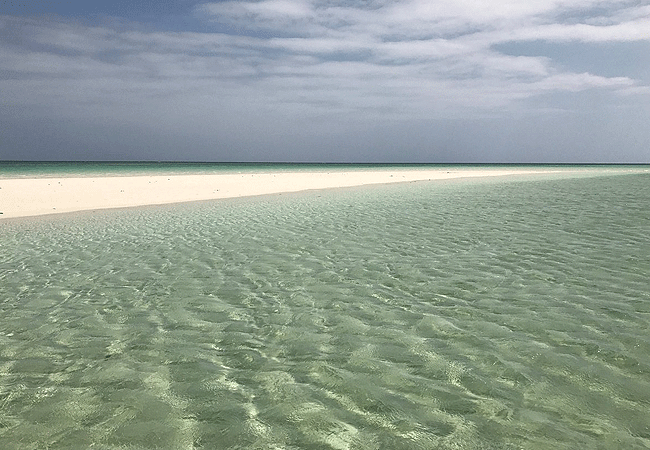
✓ Setting: Crystal-clear turquoise waters and soft white sands in a serene coastal setting
✓ Beaches: Pristine white sandy beaches stretching from Jacaranda Bay to Short Beach, offering a variety of spots for sunbathing, swimming, and beach sports
Nearby Attractions
Watamu’s surrounding region is rich in natural and cultural attractions, most of which are easily visited on day trips from the town.
✓ Sudi Island & Kirepwe Island: Part of the Mida Creek estuarine system; rich birdlife, mangrove forests, local Giriama villages, and opportunities for kayaking and nature walks in a tranquil, off-the-beaten-path setting
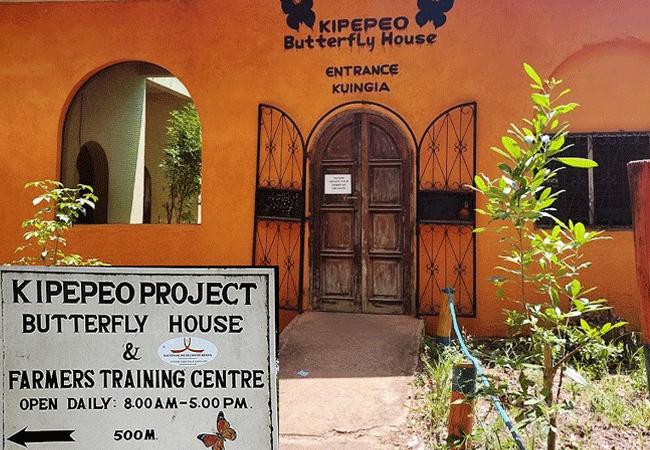
✓ Kipepeo Butterfly Farm: A community conservation project that breeds butterfly and moth pupae for international exhibits; visitors can tour the farm, learn about butterfly life cycles, and see the direct link between conservation and community livelihoods
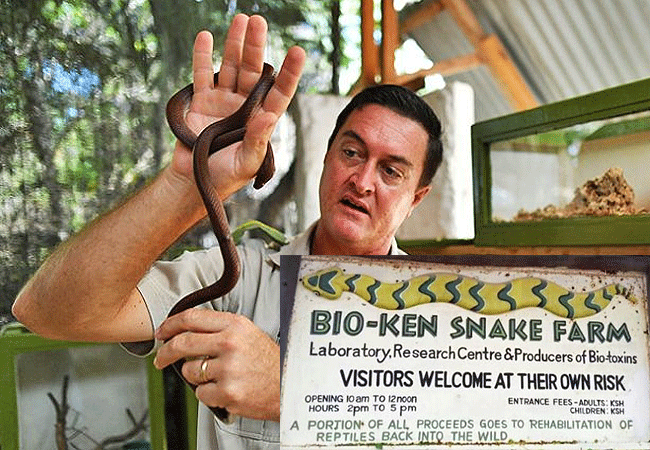
✓ Bio-Ken Snake Farm: A research centre just outside Watamu, housing the largest collection of snakes in East Africa; guided tours, venom extraction demonstrations, and education on the ecological importance of reptiles; also provides emergency snakebite care
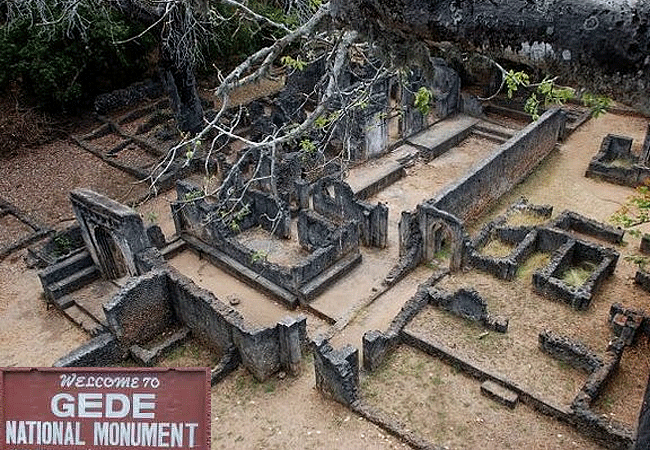
✓ Gede Ruins: The well-preserved ruins of a Swahili town that thrived from the 12th to 17th century, located within the Arabuko Sokoke Forest; ancient mosques, palaces, and stone houses offering a fascinating window into East African coastal history and culture
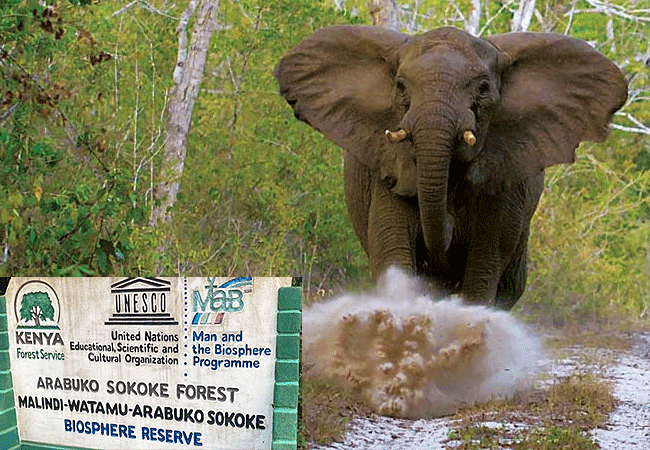
✓ Arabuko Sokoke Forest Reserve: The largest remaining fragment of dry coastal forest in East Africa, a biodiversity hotspot home to endemic species including the golden-rumped elephant shrew and Sokoke scops owl; three distinct forest types support a unique range of flora and fauna
Climate & Best Time to Visit
✓ Park Hours: Open daily 6:00 AM to 6:00 PM
✓ April to June: Long rains; seas can be rougher and visibility reduced; peak turtle nesting season
✓ October to November: Short rains; conditions generally manageable, but some marine activities may be affected
✓ July to September: Second dry season; excellent marine visibility; sea turtle hatching season peaks (May–August)
✓ Turtle Season: Nesting and hatching occur year-round but peak between May and August; sightings cannot be guaranteed
✓ January to March: Dry season; crystal-clear waters ideal for diving and snorkelling; coincides with big game fishing season (December–March)
✓ Best Time to Visit: The dry seasons, January to March and July to September, offer the clearest skies, calmest seas, and best conditions for snorkelling, diving, and beach activities
Accommodation
Watamu offers a range of accommodation options from luxury beach resorts within the park to comfortable hotels and private villas in Watamu town.
Inside & Adjacent to the Park
✓ Kasarifa Villas: Adjacent to Turtle Bay Beach Club; private self-catering villas, each with its own pool, just a short walk from the beach, ideal for a luxurious and intimate stay
✓ Turtle Bay Beach Club: An all-inclusive beach resort located directly on the beach within Watamu Marine National Park; pool, restaurants, and a full range of activities for guests
Watamu Town Options
✓ Alawi Boutique Hotel: Luxurious beachfront hotel with an outdoor pool, on-site restaurant, and well-appointed rooms, some with sea views; known for excellent service and a prime location
✓ Abora Cottage: A private three-bedroom bungalow set in tropical gardens with a pool; inclusive services of a cook and housekeeper; ideal for families or groups seeking a relaxed, home-from-home stay
✓ Additional Options: Numerous hotels ranging from luxury to budget-friendly are available throughout Watamu town, offering beautiful views, swimming pools, and easy access to local attractions
Watamu Marine National Park & Reserve Facts
Watamu Marine Park Ecosystem
The ecosystem of Watamu Marine Park is linked to its coral reefs and marine fauna, each of which plays a crucial role in the park’s environmental health.
The coral reefs in Watamu Marine Park are the foundation of the marine ecosystem. These structures, located about 300 meters from the shore, are composed of over 150 species of hard and soft corals, including brain and fan corals, as well as sponges, creating a foundation for the park’s marine life. The reefs provide shelter and food for many species, and their health is essential for the sustainability of the park’s ecosystem.
Watamu Marine Park’s marine fauna includes a vast array of species that rely on the coral reefs for survival. The park’s waters are teeming with life, from the smallest plankton to the largest whale sharks. This biodiversity is not only important for the ecological balance but also for the park’s attractiveness as a premier destination for marine wildlife observation and research.
Together, the coral reefs and marine fauna create a dynamic and interdependent ecosystem that is vital for the park’s environmental integrity and economic value.
Best Time to Visit
The best time to visit Watamu Marine National Park is during the dry seasons, which run from January to March and from July to September. These periods offer the most favorable weather conditions for exploring the park’s natural beauty.
The clear skies and calm seas make it perfect for snorkeling, diving, and enjoying the pristine beaches. Additionally, these months coincide with sea turtle hatching, offering visitors a unique opportunity to witness this remarkable event.
Location | How to get to Watamu Marine Park
Watamu Marine Park is located on the scenic coast of Kenya, near the town of Watamu in Kilifi County. It lies approximately 140 kilometers north of Mombasa, Kenya’s second-largest city, and is easily accessible from there. The park is situated about 300 meters offshore and is part of a complex of marine and tidal habitats along Kenya’s north coast.
By air, one can fly into Malindi Airport, just 25 kilometers from the park. Regular domestic flights from Nairobi to Malindi take about an hour, and from there, it’s a short 30-minute taxi ride to Watamu.
For those who prefer the scenic route, a drive from Mombasa to Watamu is equally rewarding. It’s a 120-kilometer journey via the A109 and B8 highways, taking approximately 2.5 to 3 hours. Alternatively, if you’re starting from Malindi, a quick 30-minute drive on the B8 road will cover the 27 kilometers to Watamu.
Marine Wildlife
The marine wildlife in Watamu Marine Park is a diverse and vibrant collection of species that thrive within and around the coral reefs. The park is a sanctuary for green turtles, which use its beaches as nesting grounds.
The coral gardens are bustling with an array of fish species, including parrotfish, angelfish, groupers, lionfish, and snappers, which contribute to the park’s reputation as a snorkeling and diving paradise. Seasonal visitors such as whale sharks and manta rays add to the park’s allure, making it a hotspot for marine biologists and nature lovers alike.
Bird Checklist | Birdlife
Watamu Marine Park is home to over 100 bird species that adorn the coastal skies and landscapes. The park’s cultivated gardens, bushlands, and shambas serve as a habitat for a variety of birds, including the commonly seen Black Kite soaring overhead, while the Common Bulbul, White-Browed Coucal, and Speckled Mousebird are often spotted scuffling in the undergrowth.
The vibrant Yellow Canaries and Golden Palm Weavers add a splash of color to the greenery, and the Lizard Buzzard and Lilac-breasted Roller are frequently observed perched on poles and wires, making Watamu Marine Park a birdwatcher’s paradise.
Watamu Marine Park Opening Time
The park is open between 06:00 am and 06:00 pm daily.
Where To Stay in Watamu Marine Park | Watamu Accommodation
When visiting Watamu Marine Park, you have a variety of accommodation options to suit your preferences and needs:
Turtle Bay Beach Club: This all-inclusive resort is located directly on the beach within the Watamu National Marine Park. It offers a range of amenities, including a pool, restaurants, and various activities for guests.
Kasarifa Villas: Adjacent to the Turtle Bay Beach Club, Kasarifa Villas offers a more private, self-catering option. Each villa has its own pool and is just a short walk from the beach, offering a luxurious and intimate stay.
Hotels in Watamu Town: For those who prefer to stay in the nearby town of Watamu, there are numerous hotels, from luxury to budget-friendly. You can find accommodations that offer beautiful views, swimming pools, and easy access to local attractions. Some options available are:
Alawi Boutique Hotel: Alawi Boutique Hotel offers a luxurious beachfront experience with an outdoor pool, an on-site restaurant, and well-appointed rooms, some with sea views. It’s known for its excellent service and prime location.
Abora Cottage: Abora Cottage is a private three-bedroom bungalow set in tropical gardens with a pool. It provides a serene atmosphere with the inclusive services of a cook and housekeeper, ideal for a relaxed stay.
Watamu Marine National Park & Reserve Facts
2026 Watamu Marine Park Entrance Fees
|
East African Citizen |
Kenyan Resident |
Non-Resident |
African Citizen |
||||
|
Adult |
Child/ |
Adult |
Child/ |
Adult |
Child/ |
Adult |
Child/ |
|
500 |
250 |
675 |
350 |
25 |
15 |
15 |
10 |
Notes
* Child refers to persons from three years but below 11 years
* Resident refers to persons of other nationalities residing in Kenya with valid documentation from the Kenyan government
* Citizen – A native or inhabitant of East African countries (Kenya, Uganda, Tanzania, Rwanda, Burundi, and South Sudan) with valid identification documents or a passport
* Daily – Fee paid for a single entry to a national park, national reserve, or sanctuary, and which shall be valid for no longer than twenty-four hours
Watamu Marine Park Activities & Nearby Attractions
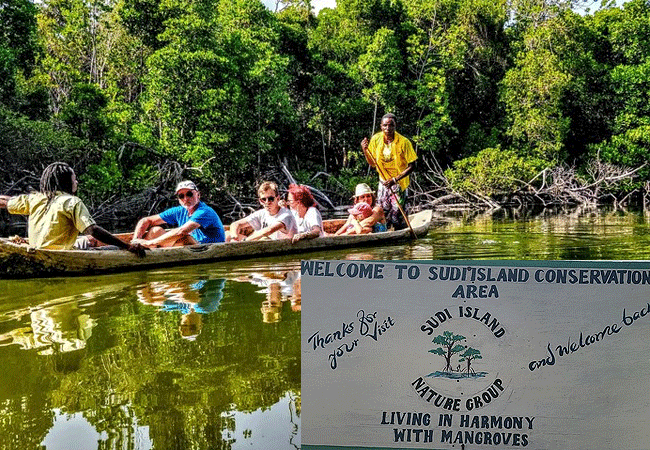
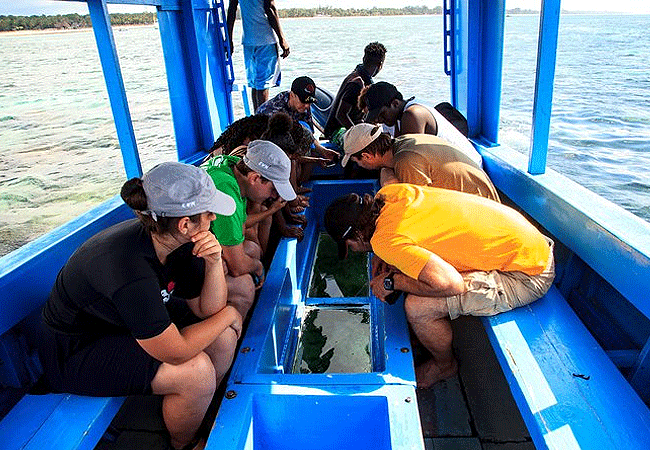
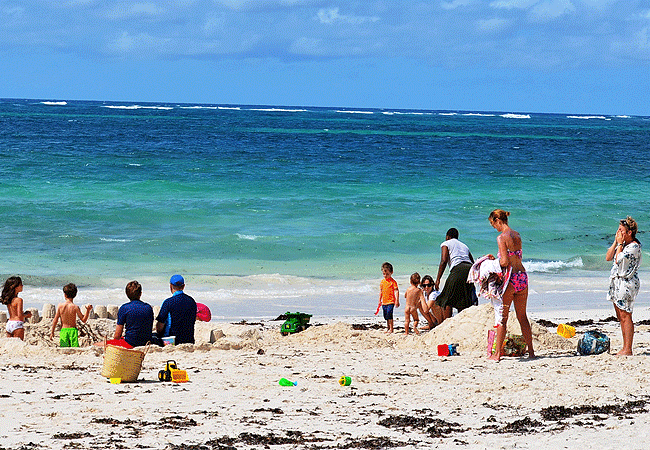

Watamu Marine National Park & Reserve offers a multitude of activities to its visitors. The activities include:
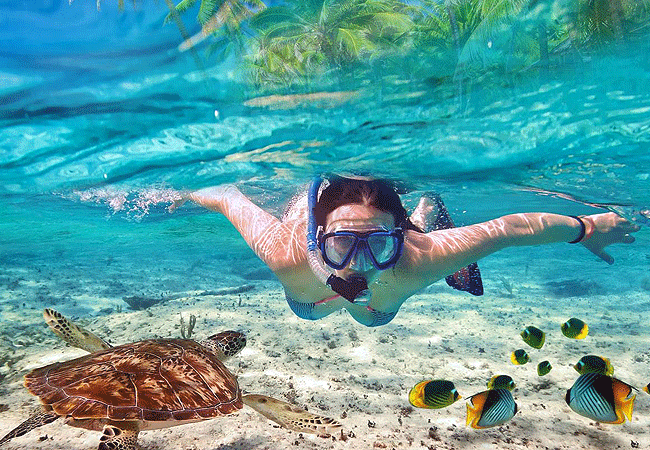
Snorkeling and Scuba Diving: Watamu Marine National Park & Reserve is a snorkeler’s and diver’s paradise, offering an underwater spectacle of coral reefs teeming with marine life. The park’s clear, warm waters are home to over 150 species of hard and soft corals and hundreds of fish species, making it an ideal spot for both beginners and experienced divers. Diving into these depths, one can encounter everything from the tiniest clownfish to the majestic sea turtles, and even the occasional dolphin or whale shark.
The Watamu Turtle Watch is a conservation effort that protects sea turtles and their habitats. Through programs such as turtle nest monitoring and bycatch release, the initiative has been instrumental in rescuing and rehabilitating thousands of turtles. Visitors can participate in these conservation efforts, learn about the turtles, and sometimes even witness the release of these magnificent creatures back into the ocean.
Glass Bottom Boat Rides: For those who prefer to stay above the water, glass-bottom boat rides offer a window into Watamu’s vibrant marine ecosystem. These boats provide a unique perspective of the coral reefs and their inhabitants without getting wet. It’s a family-friendly activity that allows everyone, regardless of swimming ability, to appreciate the beauty of the park’s underwater world.
Water Skiing and Windsurfing: Watamu’s breezy conditions are perfect for water skiing and windsurfing. Enthusiasts of these sports can enjoy the thrill of gliding across the water’s surface, powered by the Indian Ocean’s winds. The park offers designated areas for these activities, ensuring a safe and enjoyable experience for all.
Sun Bathing on the Sandy Beaches: The sandy beaches of Watamu are as inviting as they are beautiful. With soft white sands and crystal-clear waters, these beaches are perfect for sunbathing, swimming, and simply relaxing. The coastline stretches from Jacaranda Bay to Short Beach, offering a variety of spots for every preference, whether it’s a quiet place to unwind or a lively spot for beach sports.
Near Watamu Marine Park, visitors can explore a variety of attractions that offer a blend of natural beauty, cultural heritage, and conservation efforts:
Arabuko Sokoke Forest Reserve: A precious ecological treasure on Kenya’s coast, near Watamu. It is the largest remaining fragment of dry coastal forest in East Africa, making it a biodiversity hotspot.
The forest is home to a variety of endemic species, including the golden-rumped elephant shrew and the Sokoke scops owl. With three distinct forest types – mixed forest, Brachystegia, and Cynometra – the reserve supports different communities of flora and fauna, offering a rich experience for nature enthusiasts.
Gede Ruins: Gede Ruins are the remains of a Swahili town that thrived from the 12th to the 17th century. Located within the Arabuko Sokoke Forest, these ruins are a significant historical and archaeological site near the Kenyan coast.
Visitors can explore the ancient mosques, palaces, and stone houses and learn about the Swahili culture that once flourished in this region. The Gede Ruins provide a fascinating insight into the past and are a testament to the area’s rich cultural heritage.
Kipepeo Butterfly Farm: A community-based project that promotes conservation and supports local livelihoods around the Arabuko Sokoke forest. The farm breeds butterfly and moth pupae, which are then sold for exhibition in insect parks worldwide.
Visitors can tour the farm, learn about the life cycle of butterflies, and see a variety of beautiful butterflies and moths up close. The project demonstrates the tangible link between conservation and community development.
Sudi Island and Kirepwe Island: Sudi and Kirepwe Islands are part of the Mida Creek estuarine system and offer a slice of authentic island life. These islands are known for their lush greenery and rich birdlife, making them perfect for bird-watching and nature walks.
Visitors can explore the mangrove forests, visit local Giriama villages, and enjoy the tranquility of these less-traveled destinations. The islands also offer opportunities for kayaking and to learn about local conservation efforts.
Bio-Ken Snake Farm: Bio-Ken Snake Farm is a research center located just outside Watamu, specializing in snake and anti-venom research. It houses the largest collection of snakes in East Africa, including some of the continent’s most venomous species.
Visitors can take guided tours to see the snakes, learn about their role in the ecosystem, and witness venom extraction for antivenom production. The farm also provides emergency care for snakebite victims and educates the public on the importance of these reptiles.
Booking & Reservations Watamu Marine National Park & Reserve Contact
Mobile: +254-721-242-711
WhatsApp: +254-721-242-711
Reservations: +254 718-179-967
Email: [email protected]
Website: https://africanspicesafaris.com