
Amboseli National Park Kenya
Amboseli National Park, Kenya, is one of the oldest and most popular parks in Kenya, known for its stunning views of Mount Kilimanjaro and abundant wildlife. Established as a national park in 1974, Amboseli was initially part of a Maasai reserve.
It spans 392 square kilometers and features a diverse landscape, including savannah plains, acacia woodlands, and seasonal swamps. The park’s name comes from the Maasai word “Empusel,” meaning “salty, dusty place,” reflecting the dry lakebed that dominates much of its terrain. Amboseli is designated as a UNESCO Biosphere Reserve, protecting its unique ecosystem and offering exceptional wildlife viewing experiences.
Where is Amboseli National Park?
Amboseli National Park is located in southern Kenya, bordering Tanzania, near the majestic Mount Kilimanjaro. The park lies within the Loitoktok District, approximately 240 km (150 miles) southeast of Nairobi, making it a popular destination for safari visitors.
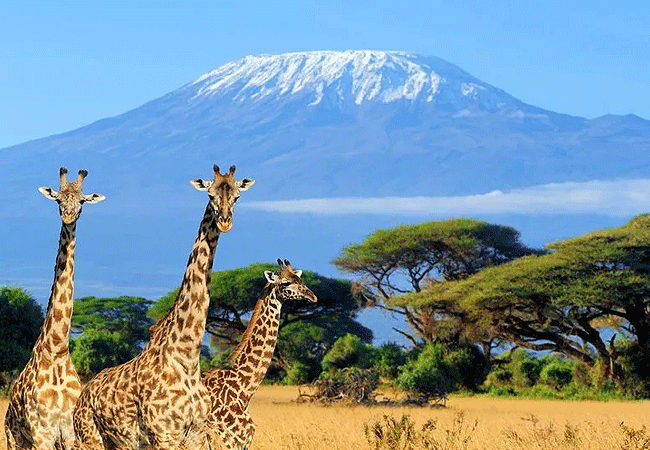
The park’s proximity to Mount Kilimanjaro, just 30 km away at its nearest point, provides a dramatic, iconic backdrop for wildlife viewing and photography. The vast landscape of Amboseli, covering 392 km² (151 sq mi), is a blend of dry plains, seasonal swamps, and woodlands, creating diverse habitats that support a wide range of flora and fauna.
To the east of the park lies Tsavo West National Park, while Arusha, a gateway to Tanzania’s renowned Northern Safari Circuit, including the Serengeti and Ngorongoro Crater, is only 180 km away.
How to Get to Amboseli National Park
✓ By Road: A drive from Nairobi via the shortest route (228 km or 140 miles) typically takes 3 to 4 hours. If you opt for a scenic drive through Tsavo East and Tsavo West, the journey is longer, covering 460 km (286 miles) and taking about 8 hours.
✓ By Air: Fly-in safaris to Amboseli depart from Wilson Airport, using light aircraft with limited baggage allowance. The flight takes approximately 45 minutes and lands at Amboseli’s airstrip, near the Empuseli Gate.
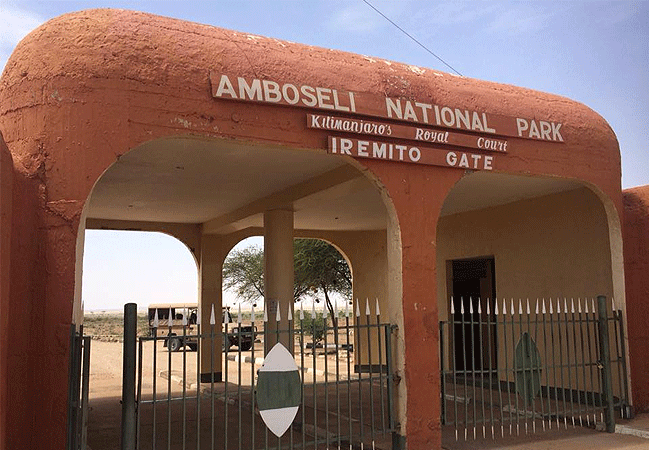
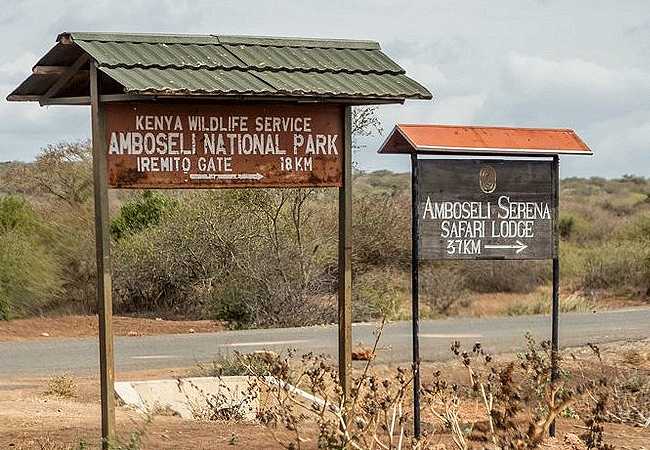
✓ Park Gates: Several entrance gates provide access to the park, including Iremito, Empuseli (Airport Gate), Kulinyiet, Meshanani, and Kitirua Gates. The choice of gate often depends on where your accommodation is located.
What is the Best Time to Visit Amboseli National Park?
The best time to visit Amboseli depends on your preferences for weather and crowds:
✓ Dry Season (June to October): This is the best time for game viewing. The grass is shorter, and animals congregate around permanent water sources, making them easier to spot. The clear, sunny weather provides excellent conditions for photography, especially with Mount Kilimanjaro as a backdrop. This is peak safari season, so expect higher rates and larger crowds.
✓ Low/Rainy Season (November to May): While game viewing may be slightly more challenging due to lush vegetation, the landscape is green and vibrant. The clear air often provides stunning views of Kilimanjaro. This is the best time for bird-watching as migratory species are present. Rates are generally lower, and the park is less crowded, making it great for a quieter experience.
What Activities Can Be Done in Amboseli National Park Kenya?
✓ Bird Watching: A popular activity as the park is home to over 400 bird species, including raptors and water birds
✓ Scenic Tours: The park provides breathtaking views of the landscape and Kilimanjaro, especially during sunrise and sunset
✓ Photography Tours: Photography enthusiasts can enjoy capturing the unique interactions of wildlife and the stunning scenery of Amboseli
✓ Camping: This is an option for those looking to immerse themselves in nature overnight, with several designated campsites within the park offering basic facilities
✓ Game Viewing: This is the primary attraction, with the chance to see large herds of elephants and other iconic African wildlife against the backdrop of Mount Kilimanjaro
What Kind of Wildlife Can Be Viewed in Amboseli National Park Kenya?
Amboseli National Park is renowned for its incredible wildlife diversity and is especially famous for its large elephant population.
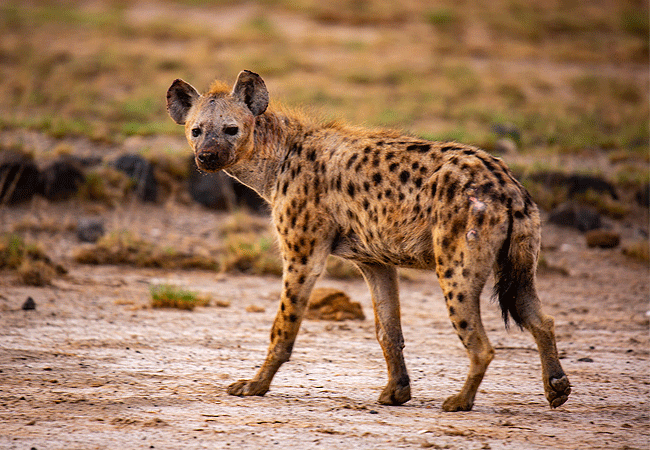
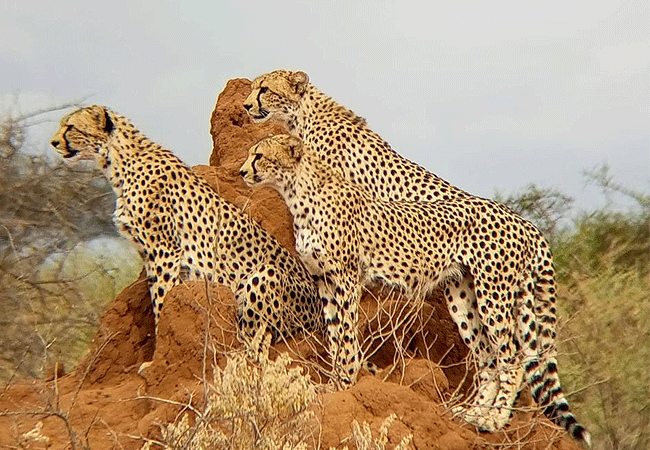
✓ Predators: Cheetahs and hyenas have made a comeback, while leopards remain elusive
✓ Big Five: In addition to elephants, Amboseli hosts lions, leopards, and buffalo (four of the Big Five)
✓ Savannah Wildlife: Expect to see giraffes, wildebeest, zebras, Grant’s and Thomson’s gazelles, hartebeest, and waterbucks
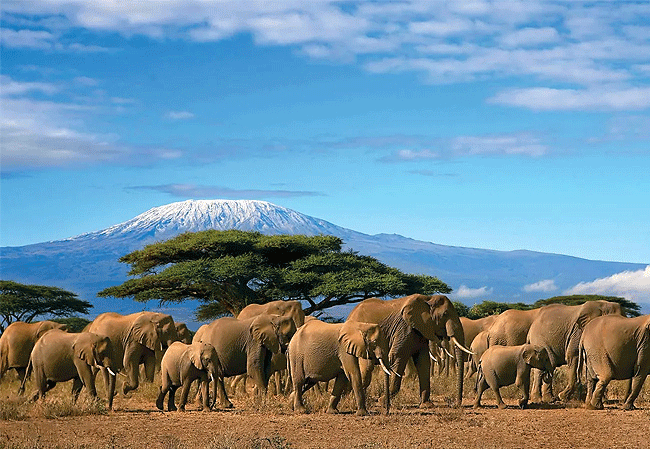
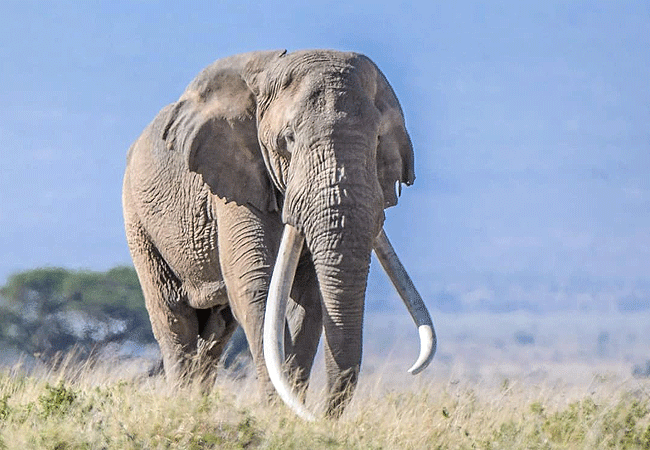
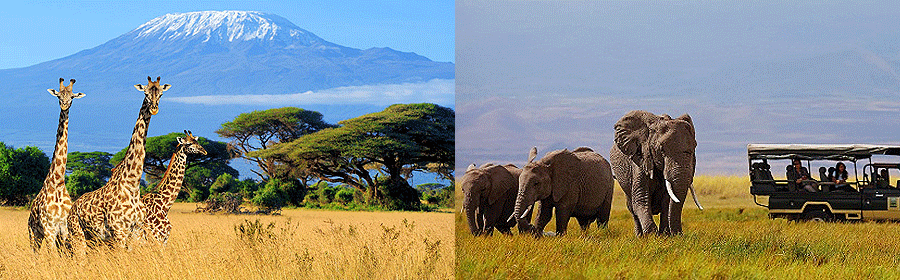
✓ Elephants: The park is home to around 1,500 elephants, one of the highest concentrations in Africa. They are well-habituated, allowing for up-close observation, often pictured against the backdrop of Kilimanjaro
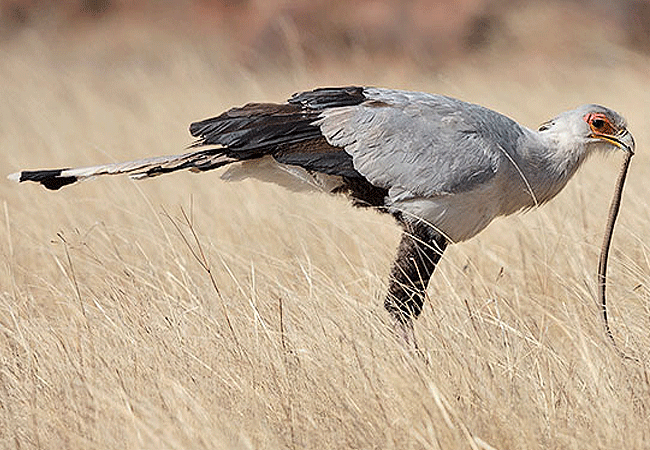
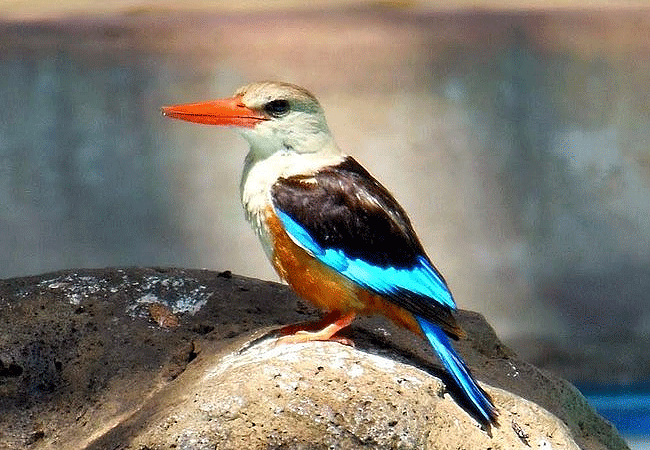
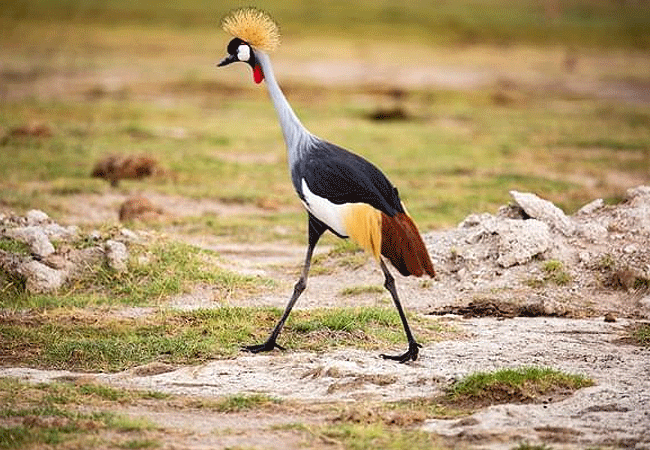
✓ Birdlife: A birdwatcher’s paradise with around 400 recorded species, including 47 raptor species (martial eagles, fish eagles, secretary birds) and wetland birds like pelicans, kingfishers, and crowned cranes—ideal for birding safaris, especially during the rainy season
Are There Any Accommodation Options in Amboseli National Park?
Amboseli National Park offers a wide range of accommodation options to suit different budgets and preferences, from budget campsites to luxury lodges.
✓ Ol Tukai Lodge: This mid-range lodge is located near Ol Tukai Swamp, a popular area for elephant viewing. The lodge provides stunning views of Mount Kilimanjaro and features comfortable accommodations, a swimming pool, and a restaurant. It is approximately 15 km from the Empuseli Gate.
✓ Amboseli Serena Lodge: This luxury lodge is located in the heart of Amboseli National Park, offering panoramic views of Mount Kilimanjaro. It is renowned for its beautiful Maasai-inspired architecture, lush gardens, and eco-friendly design.
The lodge features comfortable rooms, a swimming pool, and a dining area that overlooks a waterhole frequented by elephants. It is located near the Empuseli Gate, providing easy access to game drives.
Amboseli National Park Kenya Entrance Fees
Amboseli National Park Kenya Entrance Fees (1st January 2026 – 31st December)
|
East Africa Citizen |
Kenyan Resident |
Non-Resident |
African Citizen |
|||||
|
Adult |
Child/ |
Adult |
Child/ |
Adult |
Child/ |
Adult |
Child/ |
|
|
Amboseli National Park |
1,500 |
750 |
2,025 |
1,050 |
90 |
45 |
50 |
25 |
Notes
* International (INTL) Visitors – Refers to visitors other than EAC and the rest of Africa with a valid passport
* African Citizen – Refers to nationals of African countries other than East African countries with a valid passport
* Kenyan Citizen – Refers to Kenyan nationals by birth and registration, with a valid Identification Card and a valid passport
* Resident -Refers to persons of other nationalities residing in Kenya with valid documentation from the Kenyan government
* Daily fee is a single entry fee valid for 24 hours of continuous uninterrupted stay inside a KWS national park/ reserve/ sanctuary
* Senior Citizen – Refers to Kenyan Citizens aged 75 years and above. Senior citizens shall access all KWS parks, reserves, and sanctuaries for free
* Children -Refers to persons aged five (5) years to seventeen years (18) years. Children below the age of five (5) years shall access all KWS parks, reserves, and sanctuaries for free
* East African Community (EAC) Citizen – Refers to nationals of East African countries of Kenya, Uganda, Tanzania, Rwanda, South Sudan, Burundi, and the Democratic Republic of Congo (DRC)
* Conservation Fees – Refers to fees charged in national parks, reserves, and sanctuaries to conserve and protect natural resources, such as wildlife, habitats, and ecosystems
* Persons with Disabilities (PWD) – Refers to Kenyan Citizens who have a physical, sensory, mental, or other impairment, including any visual, hearing, learning, or physical incapability, which adversely impacts social, economic, or environmental participation. PWD access to all KWS parks and sanctuaries for free upon presentation of valid documentation from the National Council for Persons with Disabilities
* Student – Refers to an individual from a recognized secondary, government, or private college or university up to twenty-three (23) years old visiting the parks for purposes of learning about conservation through a documented and organized arrangement with that institution. It excludes students on personally arranged holidays. KWS will require a minimum of one (1) week’s notice to issue a written authorization for the student rate
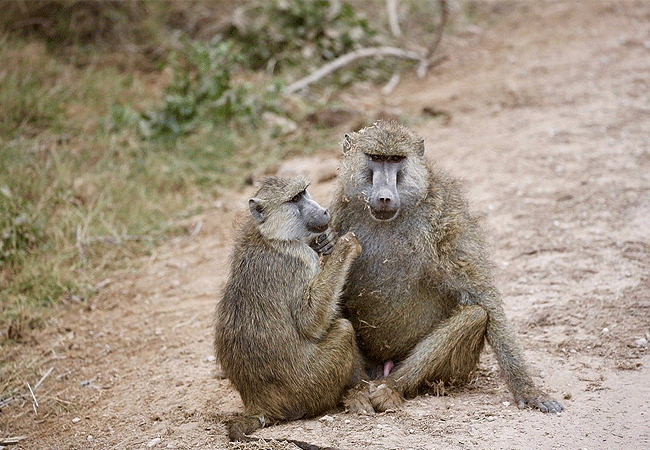
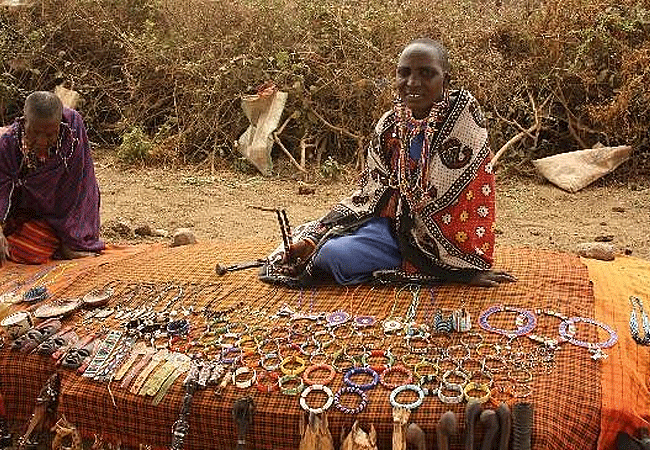
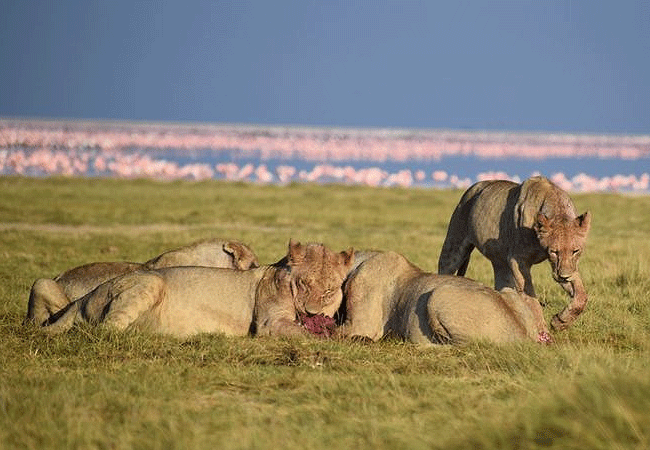
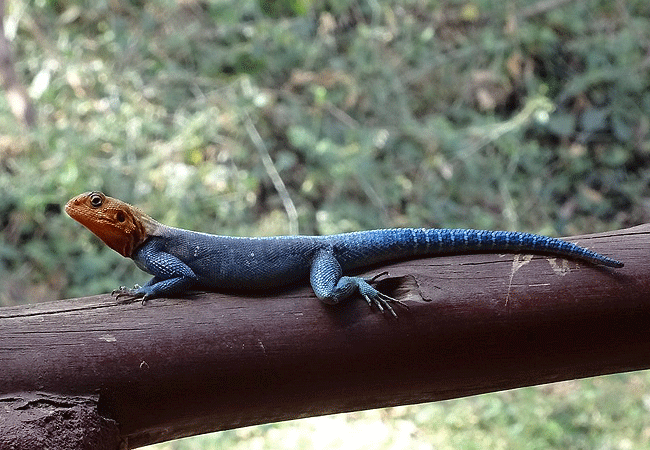
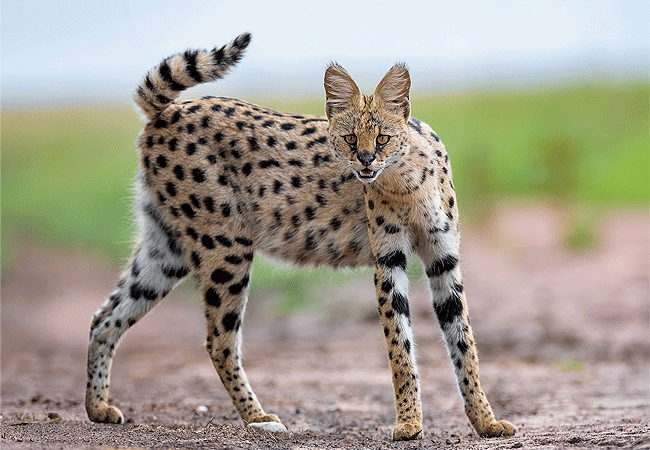
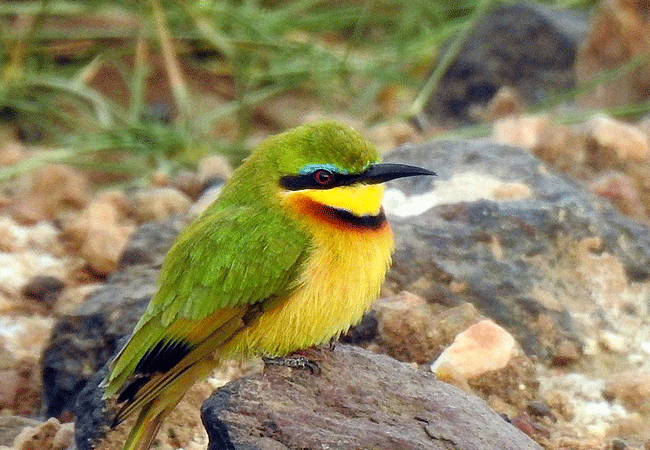
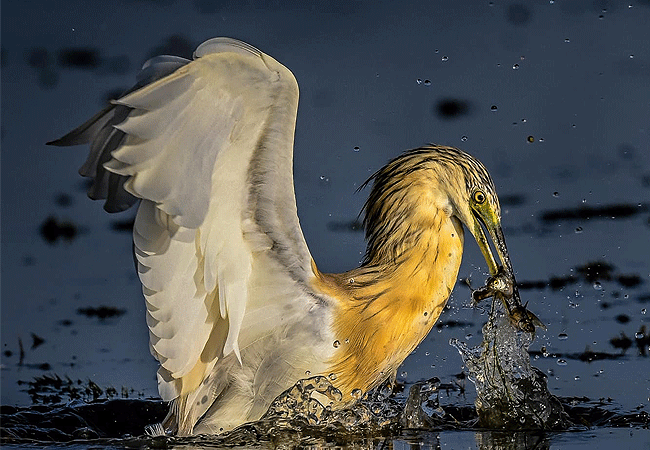
Amboseli National Park Pictures
Amboseli National Park Activities
Game Viewing
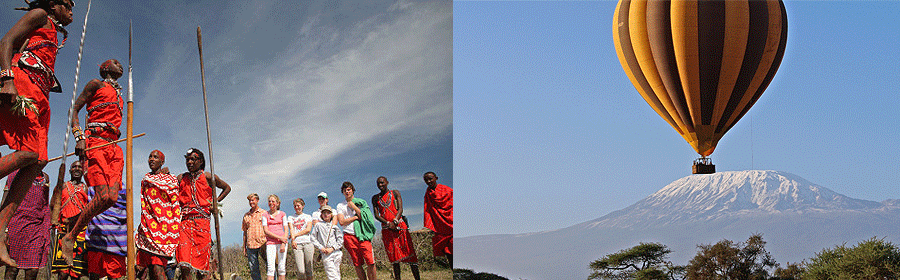
Game viewing is the highlight of any visit to Amboseli National Park, renowned for its large herds of elephants that can be seen roaming the plains. The park’s abundant wildlife includes lions, cheetahs, buffalo, giraffes, zebras, and various antelope species.
Guided game drives, available both during the day and at night, provide a thrilling chance to observe these animals in their natural habitat. The park’s open plains and wetlands make spotting wildlife relatively easy, with Mount Kilimanjaro providing a dramatic backdrop for memorable sightings.
Bird Watching
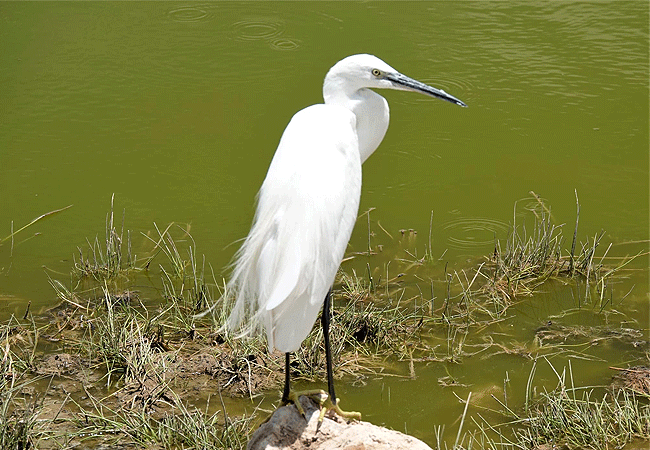
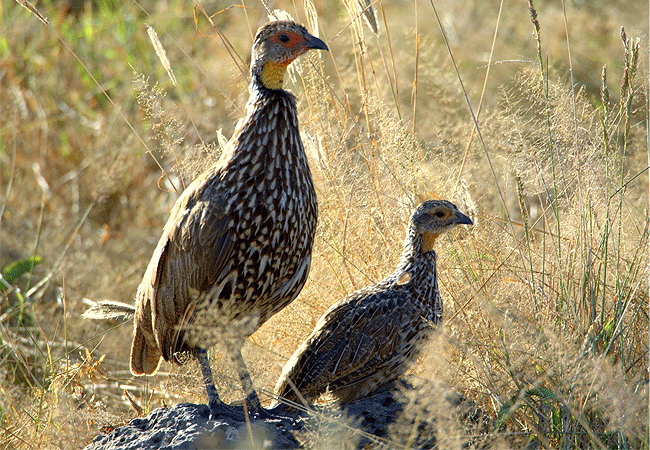
Bird watching in Amboseli National Park is a rewarding experience, thanks to its rich avian diversity. The park boasts over 400 recorded bird species, making it a paradise for bird enthusiasts. The birdlife includes a wide variety of raptors, waterfowl, and savannah birds.
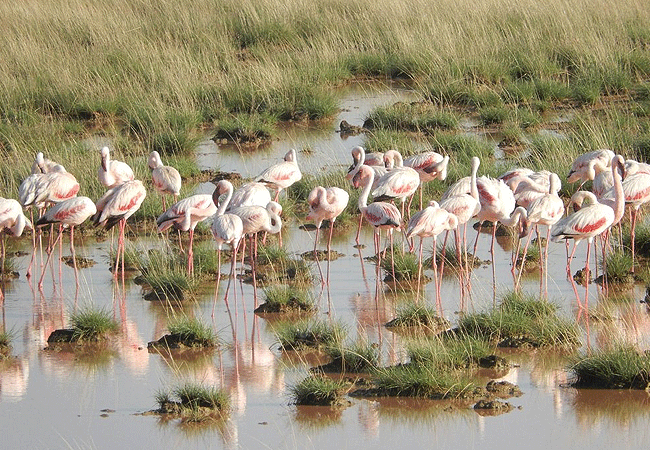
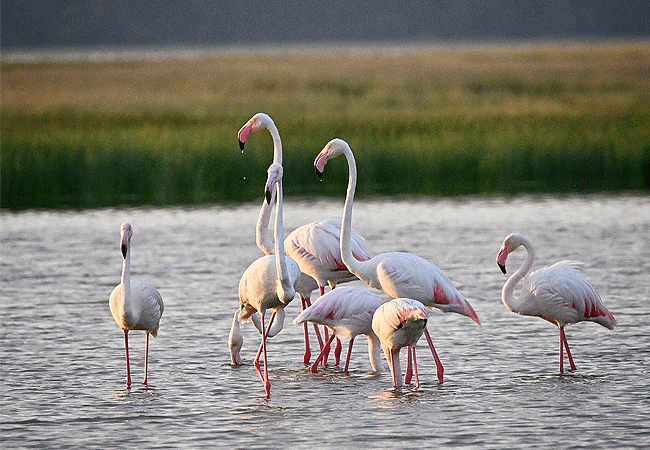
You can spot iconic species such as the Fish Eagle, Secretary Bird, and Martial Eagle, along with striking flamingos in the seasonal lakes. The park’s diverse habitats—marshes, swamps, acacia woodlands, and open plains—provide ideal settings for birding throughout the year.
Scenic Tours
Scenic tours in Amboseli offer breathtaking views of the park’s unique landscape, dominated by the iconic silhouette of Mount Kilimanjaro, Africa’s highest peak. The best times for scenic tours are during sunrise and sunset, when the light enhances the beauty of the surroundings, casting a golden glow over the plains.
You’ll see the vast savannah, shimmering marshes, and lush swamps teeming with life. Noomotio Observation Hill is a popular stop for panoramic views of the park and Kilimanjaro, providing an unforgettable experience of Amboseli’s picturesque scenery.
Photography Tours
Amboseli National Park is a photographer’s dream, offering countless opportunities to capture stunning images of wildlife and landscapes. With the snow-capped peak of Kilimanjaro as a backdrop, photographers can snap iconic shots of elephants traversing the plains.
The park’s diverse ecosystem, featuring acacia trees, wetlands, and dry lake beds, provides a range of environments perfect for wildlife and landscape photography. Photography tours often include early morning or late afternoon drives, maximizing the chances of capturing the best light and the most dynamic wildlife interactions.
Camping
Camping in Amboseli is a fantastic way to immerse yourself in the natural environment of the park. There are several designated campsites available, offering basic facilities such as toilets, showers, and fire pits.
Staying overnight allows you to experience the true essence of the African wilderness, with the sounds of nocturnal wildlife and the star-filled sky enhancing your adventure. Whether you choose a private site or a more communal setup, camping offers a unique opportunity to connect with nature and enjoy a more intimate experience of Amboseli.
Amboseli Safari Lodges | Camps & Hotels | Where to Stay
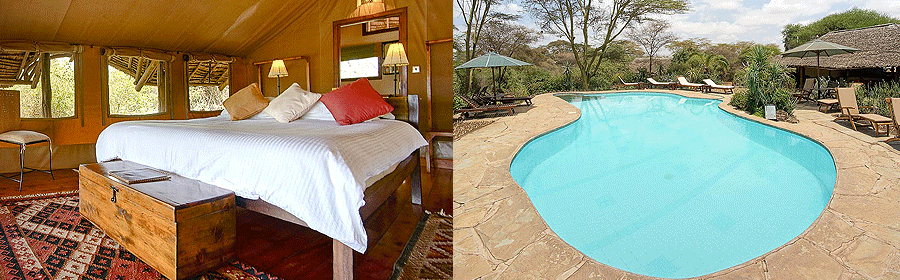
Amboseli Serena Safari Lodge
Amboseli Serena Safari Lodge is a luxury lodge situated at the heart of Amboseli National Park, approximately 2 kilometers from the park’s main gate. Nestled against the dramatic backdrop of Mount Kilimanjaro, this lodge is known for its stunning views and vibrant gardens that attract a variety of bird species.
The lodge offers spacious rooms decorated with traditional Maasai themes, a swimming pool, and an on-site restaurant serving a mix of local and international dishes. It’s an ideal base for game drives, guided nature walks, and bird watching, providing guests with an immersive safari experience right in the heart of the park.
Ol Tukai Lodge Amboseli
Ol Tukai Lodge is a well-established lodge within Amboseli National Park, located about 10 kilometers from the park’s Kimana Gate. The lodge is famous for its fantastic views of Kilimanjaro and its close proximity to the elephant herds that frequent the area.
It features luxurious chalet-style rooms, a large swimming pool, and a dining area that offers panoramic views of the plains. Guests can enjoy game drives, bird watching, and guided walks, making Ol Tukai Lodge a great choice for visitors seeking comfort and excellent wildlife viewing opportunities.
Amboseli Sopa Lodge
Amboseli Sopa Lodge is located within the boundaries of the park, roughly 15 kilometers from the Meshanani Gate. The lodge is set in 200 acres of private land, surrounded by acacia trees and beautiful gardens that attract wildlife, including elephants, right up to the lodge’s grounds.
The lodge features spacious cottages with private balconies, a swimming pool, and a restaurant offering a range of cuisines. Guests can enjoy activities such as game drives, sundowners, and cultural experiences with the local Maasai community. Its serene environment and proximity to key game-viewing areas make it a popular choice for travelers.
Tortilis Camp Amboseli
Tortilis Camp Amboseli is a high-end, eco-friendly camp located inside the park, approximately 8 kilometers from the Iremito Gate. The camp is situated on a hill with spectacular views of Mount Kilimanjaro and the park’s acacia woodland.
Tortilis offers luxury tents with en-suite bathrooms, a swimming pool, and a main lounge area for relaxation. The camp is known for its excellent guiding and offers activities such as game drives, bush walks, and sundowner experiences. Tortilis Camp is renowned for its sustainability efforts and provides an intimate, exclusive safari experience with a focus on conservation and eco-tourism.
Booking & Reservations Amboseli National Park Kenya Contact
Mobile: +254-721-242-711
WhatsApp: +254-721-242-711
Reservations: +254 718-179-967
Email: [email protected]
Website: https://africanspicesafaris.com