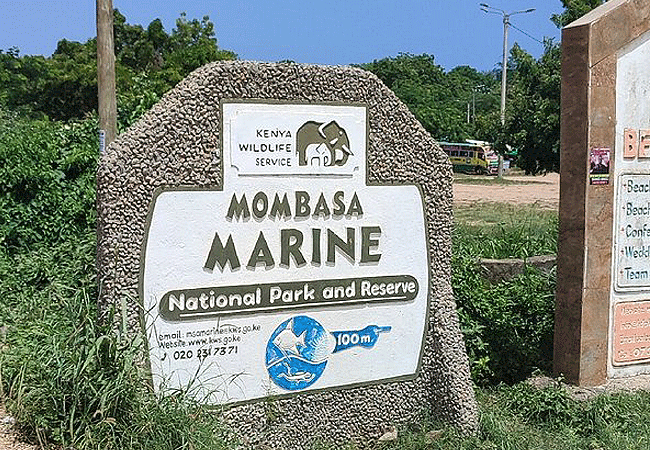
Mombasa Marine National Park & Reserve
Mombasa Marine National Park and Reserve is a coastal gem situated on the northern shores of Mombasa, approximately 15 kilometers north of Mombasa Island. This protected area consists of a 10-square-km (2,500-acre) National Park and a much larger 200-square-km National Reserve.
The park’s pristine beauty extends off the shores of Nyali, Bamburi, and Shanzu beaches, where azure waters meet swaying coconut palms and white sandy shores. Established in 1986, it was created to address threats like overfishing and coral reef damage, ensuring the conservation of a marine ecosystem that features a reef stretching 230 km along the Kenyan coast.
Location & Accessibility
The park is located in the city of Mombasa, roughly 487 km from Nairobi.
By Road:
✓ The Route: Depart Nairobi via the A109 highway, which connects the capital to the coast. The drive spans approximately 480 km (298 miles) through diverse terrains, rural communities, and lush greenery.
Entry Points: Once at the northern shores, you can access the park via several specific beach gates:
✓ Serena Gate: Located at the Serena Hotel beach.
✓ Severin Gate: Situated at the Severin Hotel beach.
✓ Travelers Gate: Found at the Travellers Hotel beach.
✓ Nyali Gate: Positioned at the Mombasa Marine Park Headquarters.
✓ Voyager Gate: Accessible from the Voyager Beach Resort.
By Air:
✓ Duration: Approximately 1 hour. Airlines include Kenya Airways and Jambojet
✓ Flights: Jomo Kenyatta International Airport (NBO) to Moi International Airport (MBA)
✓ Transfer: Upon landing, a 15–20 km transfer to the northern shore hotels or park gates
Wildlife & Ecosystem
The ecosystem is a complex web of coral reefs, seagrass meadows, and marine algae.
The Coral Reefs:
✓ Built by tiny polyps, the reef provides a buffet and shelter for nearly one million types of marine life
✓ Coral Varieties: Includes Acropora (pincushion), Turbinaria, Porites, open-branched Stag’s horn, wavy-branched Pavona, solid Favia, and convoluted Brain coral
Fish & Invertebrates:
✓ Predators: Hunting sharks, rays, and barracuda often patrol the reef
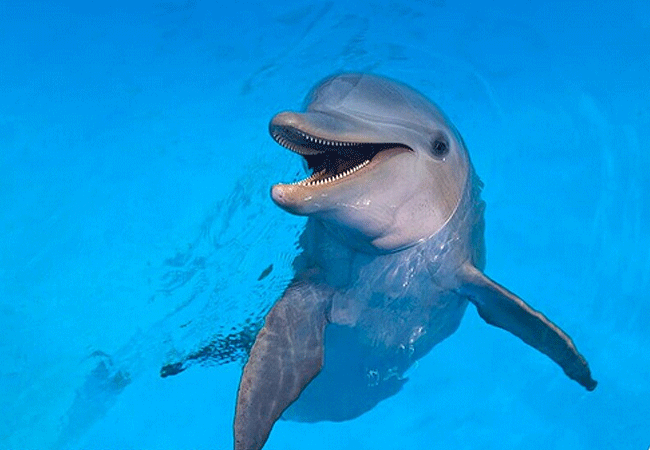
✓ Dolphins: Often encountered in schools, including Spinner, Humpback, and Bottlenose varieties
✓ Common Sightings: Bluefin kingfish, jade-green Parrotfish, striped Zebrafish, delicate Butterflyfish, Angelfish, and the Leopard Moray Eel
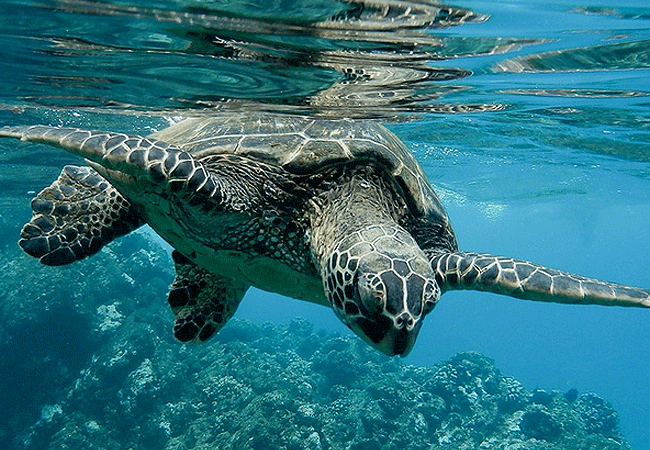
✓ Sea Turtles: The park is a haven for endangered Green, Hawksbill, Loggerhead, Ridley, and Leatherback turtles. Shanzu Beach is a notable nesting ground where they lay eggs
Birdlife
The park is an internationally recognized habitat for specialized seabirds:
✓ Key Species: Significant populations of Crab Plovers (known for snatching prey from crabs) and Roseate Terns (elegant birds with pale pink plumage)
✓ Others: Various seagulls and terns that find abundant food in the reef and safe nesting sites on the beaches
Activities & Exploration
✓ Speedboats & Jet Skis: For high-speed exploration of hidden coves
✓ Watersports: Includes windsurfing and water skiing in the azure waters
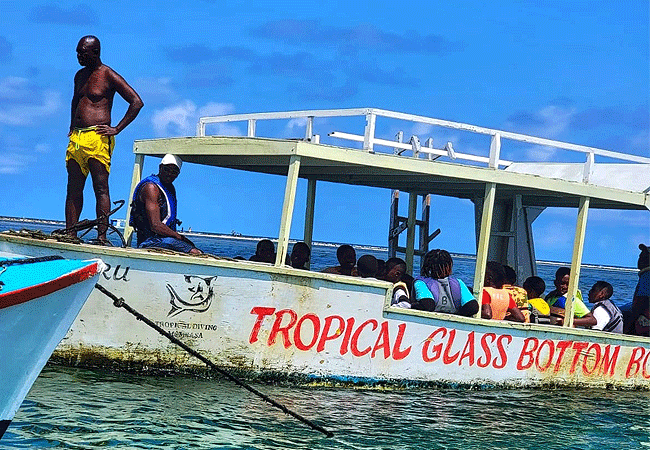
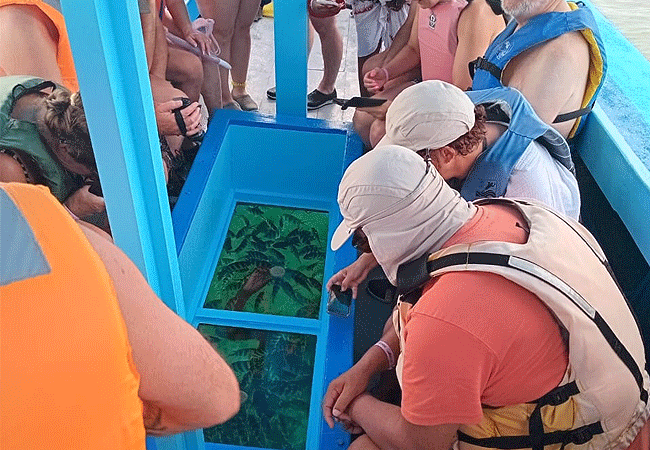
✓ Boat Rides: Peer into the depths using Glass-Bottom Boats without getting wet
✓ Fishing: Catch species like snapper, kingfish, or barracuda (adhering to park regulations)
✓ Traditional Wooden Dhows: Elegant sailboats reflecting the region’s maritime heritage
✓ Sunbathing: Enjoy the silver sands of Nyali, Bamburi, and Shanzu under the cool ocean breeze
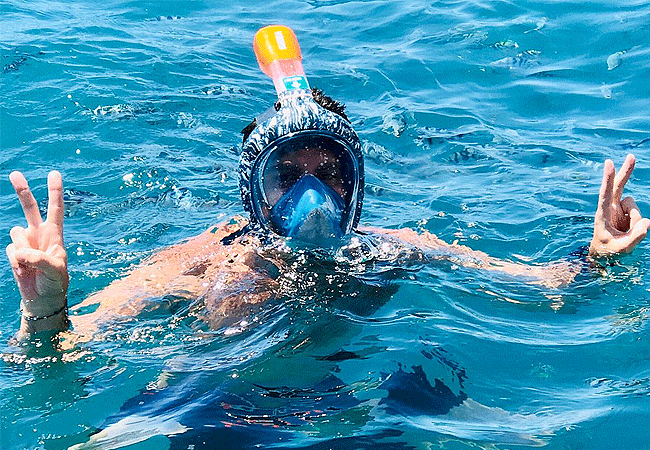
✓ Snorkeling: Float on the surface to see sea cucumbers and colorful fish in the shallow, clear waters
✓ Diving: A year-round sport due to the protected lagoon. Water temperatures range from 25°C to 31°C, making wetsuits often unnecessary. Night diving is an option for seeing the nocturnal ecosystem
Climate & Best Time to Visit
✓ Operating Hours: The park is open from 6:00 AM to 6:00 PM daily
✓ Wet Season: April–May (brief periods of increased salinity near the shore)
✓ Conditions: Tropical climate with warm, stable water averaging 27°C (81°F) year-round
Accommodation Options
While no lodging is inside the protected zone, several hotels sit on the mainland boundary:
✓ Bamburi Beach Hotel: All-inclusive with an on-site water park
✓ Travellers Beach Hotel: Comfortable mid-range stay with convenient park access
✓ Voyager Beach Resort: Family-friendly with a kids’ club and sprawling pool complex
✓ Sarova Whitesands Beach Resort: Multiple pools and seafood feasts under the stars
✓ Serena Beach Resort & Spa: Swahili village atmosphere with luxury spa and nature trails
Nearby Attractions
✓ Old Town: Narrow streets and traditional Swahili architecture
✓ Mamba Village: Large crocodile farm with feeding demonstrations
✓ Haller Park: A reclaimed sanctuary home to giraffes, zebras, and hippos
✓ Bombolulu Workshops: Support artisans with disabilities and explore traditional homesteads
✓ Fort Jesus Museum: 16th-century fort; features a “Sounds & Light Show” at 20:00 (8:00 PM)
Mombasa Marine National Park & Reserve Entrance Fees
2026 Mombasa Marine National Park & Reserve Rates
|
East African Citizen |
Kenyan Resident |
Non-Resident |
African Citizen |
||||
|
Adult |
Child/ |
Adult |
Child/ |
Adult |
Child/ |
Adult |
Child/ |
|
500 |
250 |
675 |
350 |
25 |
15 |
15 |
10 |
Notes
* Child refers to persons from three years but below 11 years
* Resident refers to persons of other nationalities residing in Kenya with valid documentation from the Kenyan government
* Citizen – A native or inhabitant of East African countries (Kenya, Uganda, Tanzania, Rwanda, Burundi, and South Sudan) with valid identification documents or a passport
* Daily – Fee paid for a single entry to a national park, national reserve, or sanctuary, and which shall be valid for no longer than twenty-four hours
Mombasa Marine National Park & Reserve Activities & Attractions
Tourists can enjoy a variety of activities, such as snorkeling in the splendid, clear waters, diving at the best dive site, fishing, boat rides with a packed lunch to enjoy during the ride, bird watching, water skiing, and windsurfing. Here are some activities to enjoy while being at Mombasa Marine National Park and Reserve:
Diving
Scuba diving is a year-round sport, largely due to the interior lagoon’s protected, peaceful surroundings. Wetsuits are unnecessary due to the water temperature range of 25 to 31 degrees Celsius (77 to 87.8 degrees Fahrenheit). Because of the shallow depths, there is an amazing underwater world with magnificent hues of marine life.
The crystal-clear blue waters provide excellent visibility for exploring vibrant coral reefs teeming with marine life. From colorful fish like angelfish and snapper to intricate corals, divers can immerse themselves in this underwater wonderland.
Dive centers cater to all levels of expertise, ensuring a safe and memorable adventure. For those seeking more excitement, night diving is also possible, allowing you to witness a different side of the marine ecosystem under the moonlit waters.
Snorkeling
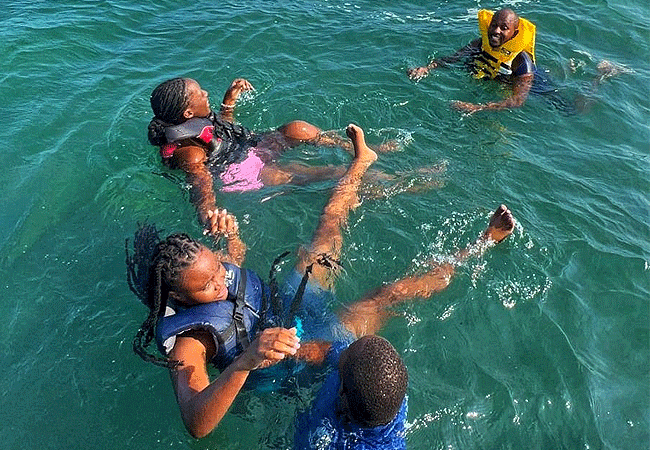
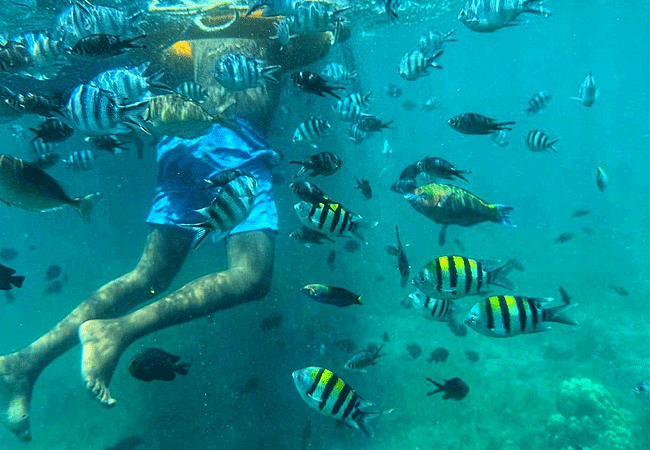
Snorkeling is an entertaining activity for tourists that involves floating on the water’s surface while wearing a mask, snorkel, and fins. As you peer down into the clear ocean, you’ll encounter colorful fish, sea cucumbers, and other fascinating marine creatures.
The shallow waters near the shore provide easy access to vibrant coral reefs, allowing you to observe the underwater beauty without the need for scuba diving equipment
Sunbathing
Sunbathing at the marine park takes place on the sandy beaches along the shores of the Indian Ocean, where visitors can enjoy the warm sun and the cool breeze of the ocean.
Fishing
The park’s waters are home to various fish species, including snapper, barracuda, grouper, trevally, and kingfish. Whether you prefer reef fishing near the coral formations, deep-sea fishing for larger game fish, or trolling for pelagic species, there’s something for every fishing enthusiast.
Birdwatching
Mombasa Marine National Park and Reserve offers a delightful opportunity to observe coastal and marine bird species. As you explore this natural reserve, keep an eye out for fascinating birds such as Crab Plovers, Seagulls, and Roseate Terns. These avian residents add to the allure of Mombasa Marine National Park, providing a captivating experience for bird enthusiasts.
Boat rides
Boat riding at Mombasa Marine National Park and Reserve offers a delightful way to explore the coastal beauty. Visitors can choose from various boat types, each providing a unique experience:
Glass-Bottom Boats: These boats allow you to peer directly into the ocean’s depths through their transparent floors. As you glide over the water, you’ll witness the underwater world—coral reefs, colorful fish, and perhaps even sea turtles—without getting wet.
Traditional Wooden Dhows: These elegant sailboats evoke the region’s maritime heritage. Hop aboard a dhow and enjoy a leisurely ride, feeling the breeze and admiring the coastline. Dhows often offer a serene sunset cruise experience.
Speedboats and Jet Skis: For thrill-seekers, these watercraft provide an adrenaline-pumping adventure. Feel the wind in your hair as you zip across the waves, exploring hidden coves and scenic spots.
Motorized Tour Boats: These boats offer guided tours, allowing you to learn about the park’s marine life, history, and conservation efforts. Enjoy the narration as you spot birds, marine species, and coastal landmarks.
Watersports
Water sports at Mombasa Marine National Park and Reserve offer a thrilling aquatic experience. Visitors can enjoy a variety of activities in the park’s azure waters:
Windsurfing: Feel the wind in your hair as you balance on a board with an attached sail. Windsurfing combines elements of surfing and sailing, allowing you to glide across the water using wind power.
Water Skiing: Strap on your skis and hold onto the tow rope as a boat pulls you along the water’s surface. Mastering the art of water skiing involves balance, coordination, and a splash of adrenaline.
Birds
The Mombasa Marine Park is a haven for birdwatchers, attracting a variety of seabird species. Notably, the park boasts internationally significant populations of Crab Plovers, known for their distinctive habit of following crabs to snatch fleeing prey, and Roseate Terns, elegant seabirds with pale pink plumage.
These birds, along with many other resident and migratory species, find abundant food sources and safe nesting sites within the park’s rich marine ecosystem.
Coral Reefs
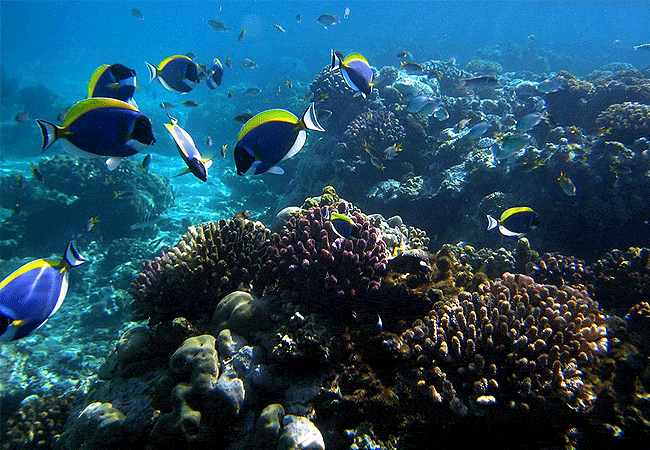
The pristine and well-developed coral reef extends virtually unbroken from Shimoni in the south to Malindi in the north, some 230 km in total. The reef is broken only in a few places by river mouths and creeks, and of these, the deepest and most sheltered safe channels through the reef are those that lie on either side of Mombasa Island.
Coral reefs provide one of the most fascinating ecosystems on earth, sheltering nearly one million different types of marine life. Forming only in warm seas, they are made by battalions of tiny polyps, minuscule sea anemone-like creatures that live together in colonies; some create a hard skeleton outside their bodies, and it is this which eventually forms into stony coral.
Coral comes in many shapes, sizes, and colors, including the open-branched stag’s horn coral, the pincushion-like Acropora coral, the wavy-branched and plate-like pavona coral, the massively solid favia coral, and the convoluted brain coral.
Vegetation
The park boasts extensive seagrass meadows, a flowering marine plant crucial to the health of the ecosystem. Seagrass beds also play a vital role in stabilizing the seabed and filtering the water, keeping it crystal clear for those enjoying the underwater world.
Another type of underwater vegetation found in the park is marine algae. These diverse organisms come in a variety of colors and shapes, and they cling to rocks and coral reefs. Marine algae form the base of the food chain, providing sustenance for herbivores, which in turn are eaten by larger fish.
The vibrant colors and unique textures of marine algae also contribute to the park’s overall beauty and biodiversity, making it a fascinating place to explore for snorkelers and divers.
Fish & Invertebrates
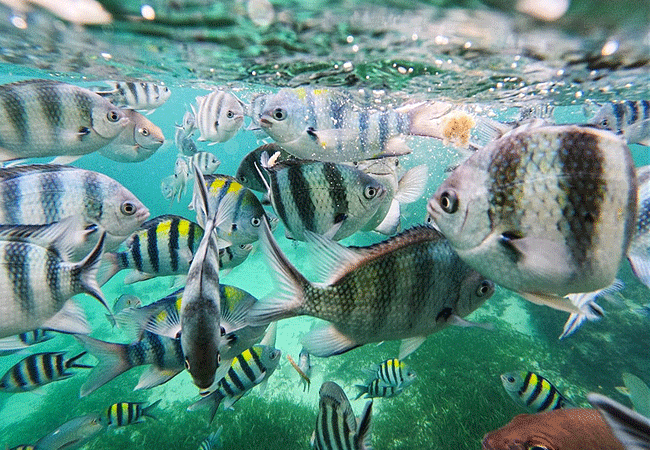
The reef attracts an incredible range of fish, most of which are almost iridescent in color and fantastically marked. Look out for the celestial blue and jade-green parrotfish, striped zebrafish, multi-colored angelfish, and the soup plate-sized butterfly fish.
Clouds of tiny damselfish also often hover above the branching coral, and under deep ledges, you may catch a glimpse of the magnificent lionfish with its mane of sharp spikes (a sting from this fish can be very painful). Hunting sharks, rays, turtles, and starfish also hunt the reef.
Turtles and Dolphins
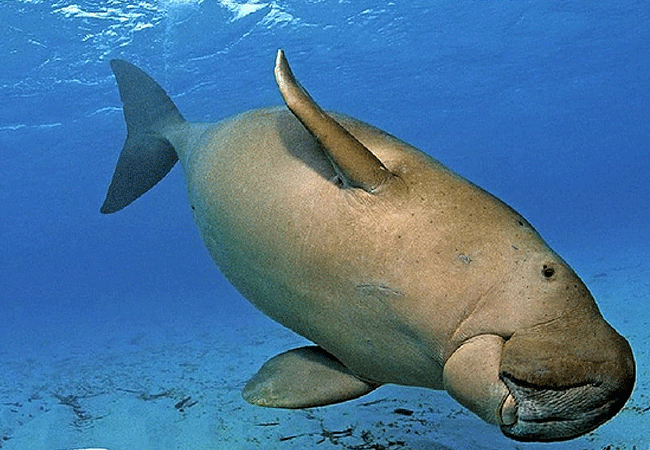
Kenya’s reefs and lagoons also prove popular with the endangered green, hawksbill, loggerhead, Ridley, and leatherback sea turtles. Dolphins, too, are regular visitors to the area (spinner, humpback, and bottlenose) and can be encountered singly or in schools, above and below the waves.
Sandy Beaches
North and south of Mombasa are some of the finest beaches in Africa; endless crescents of silver sand bordered by opulent coastal hotels, and direct access to the coral gardens of the reef. Nyali Beach, Bamburi Beach, Shanzu Beach, and Kenyatta Public Beach all enjoy immediate access to the Mombasa Marine Park.
Note: Shanzu Beach is very popular with sea turtles, which come here to lay their eggs.
Mombasa Marine National Park & Reserve Accommodation
Mombasa Marine National Park & Reserve itself doesn’t have any accommodation options directly within its borders. However, there are many fantastic lodging options surrounding the park, on the mainland next to the beaches. Some of these are:
Serena Beach Resort & Spa: Immerse yourself in a Swahili village vibe at this luxurious beachfront resort. Relax in elegant rooms, unwind by the pool, rejuvenate at the spa, or explore nature trails. Evenings bring world-class cuisine, live entertainment, and a vibrant atmosphere.
Sarova Whitesands Beach Resort and Spa: Luxury beckons at this beachfront paradise. Plush rooms, multiple pools, a spa, water sports, and a variety of restaurants await, including fresh seafood feasts under starry skies.
Voyager Beach Resort: Escape to relaxed beachfront bliss. Comfortable rooms, a sprawling pool complex with a swim-up bar, a supervised kids club, and international restaurants ensure a fun-filled stay.
Bamburi Beach Hotel: This all-inclusive hotel caters to all your needs. Lounge by the pool, enjoy the beach, or experience the thrills of the on-site water park. Evenings offer live entertainment and refreshing drinks.
Travellers Beach Hotel: Offering a comfortable mid-range beachfront stay, this hotel features well-appointed rooms, a refreshing pool, and a delicious restaurant. Its convenient location makes exploring the park and other attractions a breeze.
Nearby Attractions
Mombasa Marine National Park & Reserve can be even more enriching by exploring the surrounding area. Here’s a list of exciting attractions all within a reasonable driving distance, offering a variety of experiences from historical and cultural immersion to wildlife encounters.
Fort Jesus Museum: A 16th-century Portuguese fort located in Mombasa, Kenya. It is now a museum that exhibits artifacts from the Swahili and Portuguese cultures. This is a great place to learn about Mombasa’s rich history. The fort also has an exciting ceremony that begins at 2000 hours, known as the Fort Jesus Museum Mombasa Sounds & Light Show
Haller Park: A wildlife sanctuary located near Mombasa, Kenya. It was founded by conservationist Rene Haller and is home to various animals, including giraffes, zebras, and lions. This is a perfect spot for animal lovers and families with kids.
Old Town: The historic center of Mombasa, Kenya. It is a maze of narrow streets lined with traditional Swahili houses. Explore the unique architecture and vibrant culture of Old Town.
Mamba Village Crocodile Farm: A large reptile conservation farm that offers guided tours, crocodile feeding, and a children’s playground. It’s a fun and educational experience for families with young children.
Ngomongo Village: This cultural village offers a glimpse into the traditional lifestyles of Kenyan tribes. Visitors can see examples of tribal huts, learn about traditional crafts, and watch cultural performances. Learn about Kenyan culture and experience a different way of life.
Bombolulu Workshops & Cultural Centre: A program of the Association for the Physically Disabled of Kenya (APDK) that provides training and employment opportunities for people with disabilities. Visitors can tour the workshops and see how crafts are made, enjoy cultural performances, and explore traditional homesteads. This is a great way to support a worthy cause and learn about Kenyan culture.
Booking & Reservations Mombasa Marine National Park & Reserve Contact
Mobile: +254-721-242-711
WhatsApp: +254-721-242-711
Reservations: +254 718-179-967
Email: [email protected]
Website: https://africanspicesafaris.com