
Mzima Springs Tsavo National Park Kenya | 48 km from the Mtito Andei Gate
Mzima Springs is one of Kenya’s most remarkable topographical features and best-kept safari secrets. Nestled in the heart of the rugged, dry landscape of Tsavo West National Park, these four natural springs form a lush, freshwater paradise that produces a staggering 250 million liters (over 50 million gallons) of crystal-clear water every day.
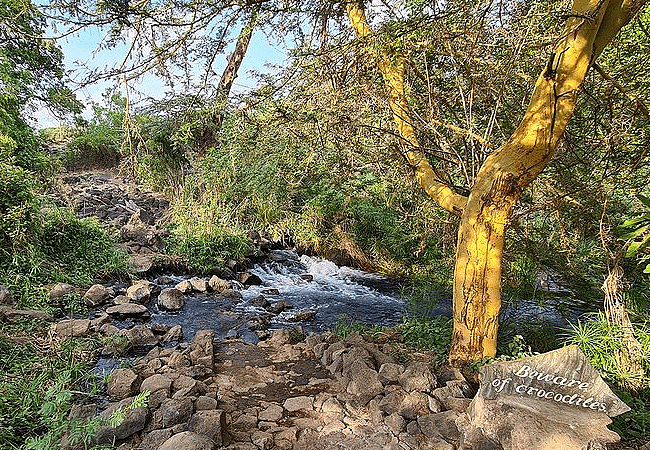
The springs are a stunning geological phenomenon. The pristine water originates 50 kilometers north in the Chyulu Hills, a volcanic mountain range. Rainwater percolates through the porous volcanic ash and rock, spending up to 25 years undergoing natural underground filtration. When the subterranean flow is finally blocked by solidified lava, it surges gracefully to the surface at Mzima, creating a series of incredibly clear pools, ponds, and rapids shaded by tropical palms, tamarinds, and fig trees.
This vital water source sustains a rich, isolated ecosystem. It serves as a crucial habitat for resident populations of hippos and Nile crocodiles, as well as diverse fish species, vervet monkeys, and prolific birdlife. Famously featured in Alan and Joan Root’s 1969 documentary Mzima: Portrait of a Spring, the area offers visitors a tranquil, off-the-beaten-path experience and a rare opportunity to stretch their legs on guided nature trails while observing an intricate ecological chain thriving in a desert wilderness.
How to Get There
By Road
✓ Distance: Located in the western section of Tsavo West National Park, approximately 48 km from the Mtito Andei Gate
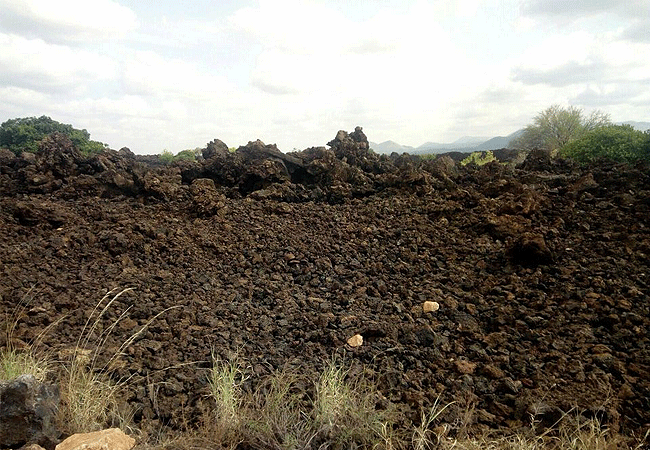
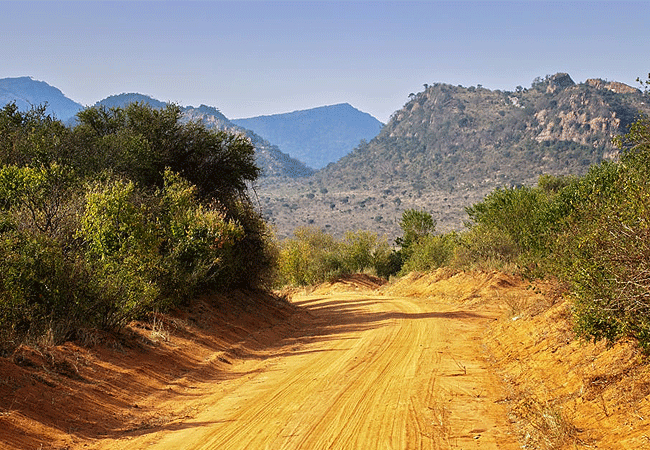
✓ Scenery: The journey transitions dramatically from out-and-out wild, dry savanna plains and volcanic lava beds to the sudden, lush green canopy of the oasis
✓ Travel Time: From Nairobi, the drive to the Mtito Andei Gate takes about 4–5 hours via the Nairobi-Mombasa Highway (A109). Once inside the park, it’s an additional scenic drive to the springs
✓ Route: Access via the Mtito Andei Gate takes you past the famous Kilaguni Serena Safari Lodge. Alternatively, it is 25 km from the Chyulu Gate, taking you past otherworldly extensive lava flows and conical ash cone hills
By Air
✓ Airstrips: Several airstrips serve Tsavo West, including the Kilaguni Airstrip and the Finch Hattons Airstrip
✓ Flights: Daily scheduled flights operate from Wilson Airport (Nairobi) or Mombasa to the Tsavo West airstrips
✓ Charter Options: Private charter flights and helicopter landings can be arranged to the nearby lodges, followed by a short transfer to Mzima Springs.
History
Mzima Springs has a long and fascinating ecological and human history. Geologically, it is the result of volcanic activity in the Chyulu Hills that dates back 1.5 million years, with the substrate acting as a massive sponge that purifies the water over decades.
Because of its exceptional purity and volume, Mzima Springs was tapped for human use. In 1966, a pipeline was completed to connect the springs to the coast, elevating its importance from purely aesthetic to economically vital. Today, it remains an essential water source, supplying millions of liters daily to Mombasa, Voi, Mariakani, and the South Coast.
Ecologically, the springs have faced significant challenges. Its isolation makes its resident hippos and crocodiles entirely dependent on its waters. This was brutally highlighted during a catastrophic, prolonged drought in 2009. Starving game animals descended on the permanent water source in their thousands, decimating the surrounding grasslands and bringing them into fierce competition with the hippos. The resident hippo population crashed from 70 in 2003 to just five survivors in September 2009 due to starvation.
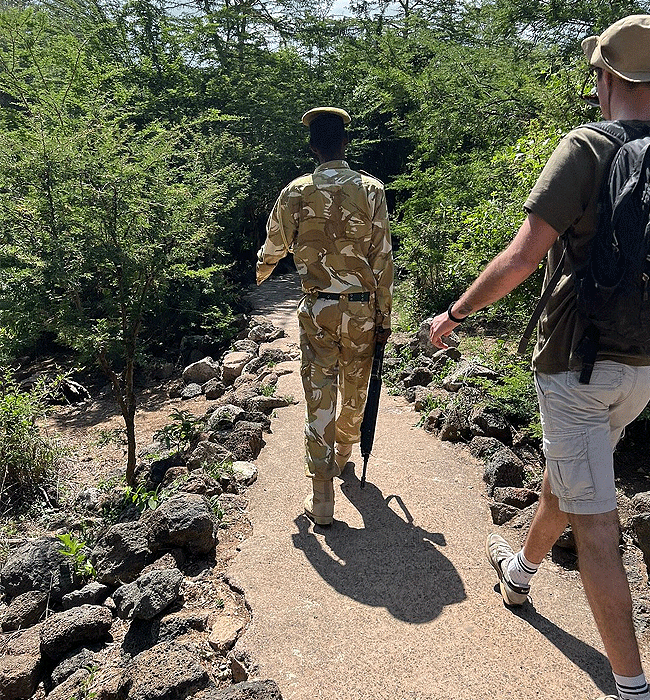
Today, the ecosystem has stabilized, with the hippo population recovering to around 20 individuals. The Kenya Wildlife Service (KWS) stringently protects the area, requiring all visitors to be escorted by armed rangers to ensure safety and preserve the delicate balance of this extraordinary natural attraction.
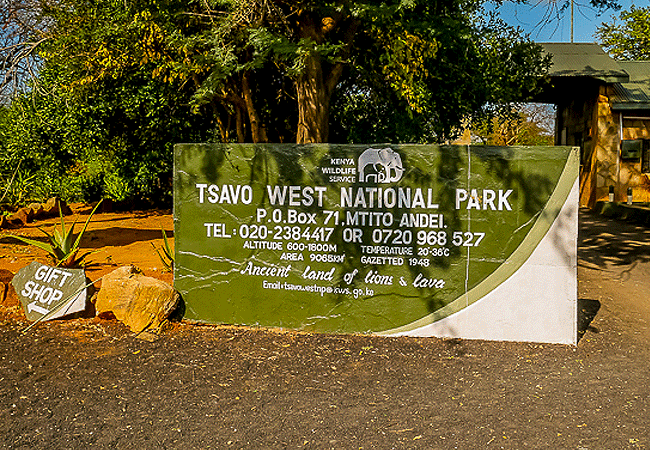
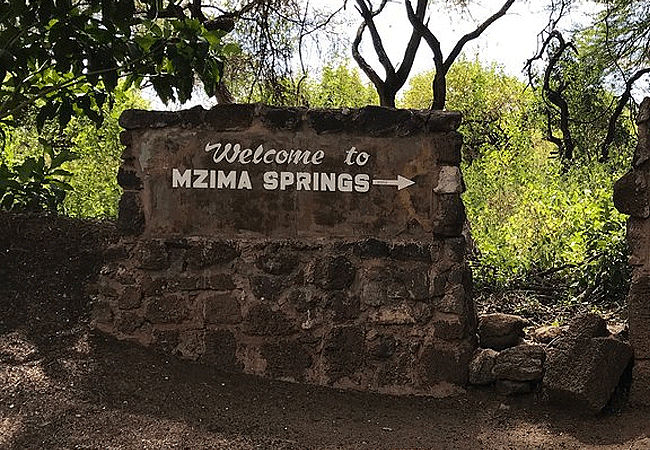
Activities that can be done in Mzima Springs Tsavo National Park Kenya
Wildlife & Aquatic Viewing Experiences
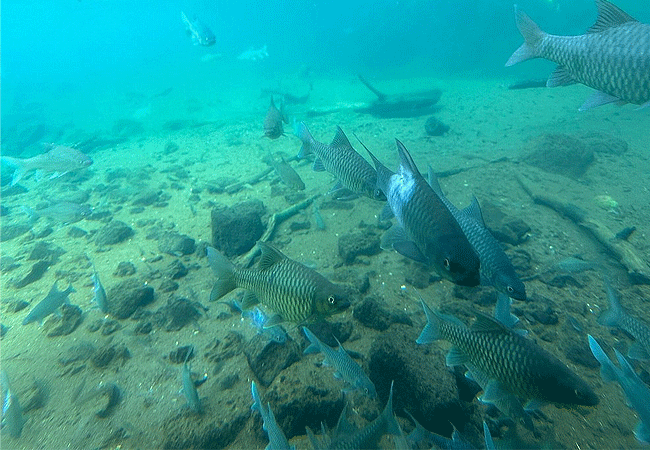
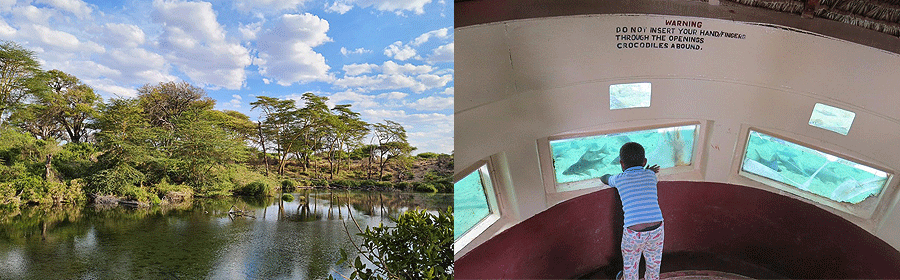
✓ The Underwater Viewing Chamber: One of the most unique aspects of Mzima Springs is its submerged viewing hide. Descend into this glass-windowed chamber to watch thousands of primeval-looking Barbel and tilapia fish swimming gracefully through the crystal-clear water. While hippos tend to keep their distance from the glass, you may occasionally see them bobbing at the surface just beyond your view, offering a rare, aquatic perspective of Tsavo’s marine life
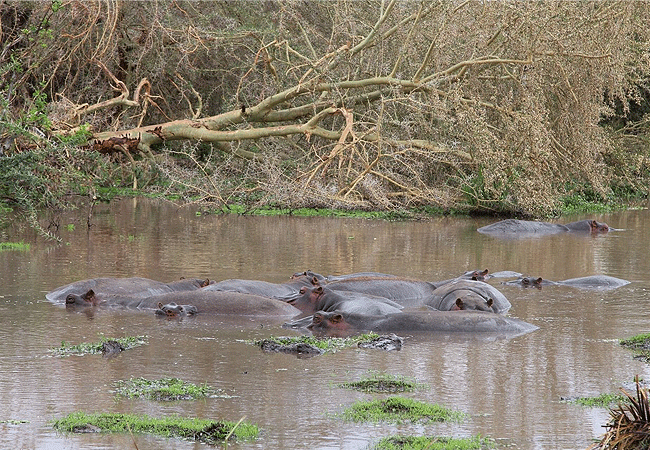
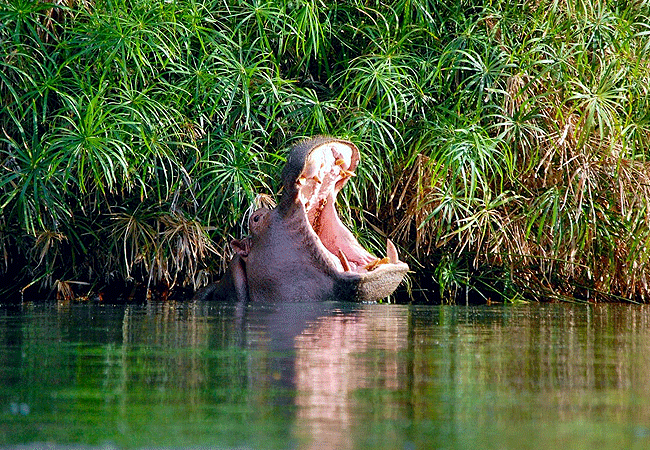
✓ Hippo & Crocodile Observation: The spring’s natural pools are a haven for resident hippos and Nile crocodiles. The “upper pool” is generally favored by hippos, where you can watch them partially submerged, emerging occasionally to breathe. The “long pool” is preferred by crocodiles, which can grow up to 20 feet long and are frequently seen gliding silently through the water or basking on the sun-drenched banks
Nature-Based Guided Walks
✓ Guided Walking Safaris: Embark on a tranquil 1-kilometer walking trail that meanders through the lush, shaded vegetation along the shoreline. Because of the presence of dangerous wildlife, all walks are accompanied by an armed Kenya Wildlife Service (KWS) ranger. These knowledgeable guides ensure your safety while sharing fascinating insights into the medicinal uses of local plants, the behavior of the resident animals, and the intricate dynamics of the spring’s ecosystem
✓ Birdwatching: The thick tropical foliage and towering raffia palms, tamarinds, and fig trees make Mzima Springs a birdwatcher’s paradise. The oasis attracts a stunning variety of avian life from the surrounding dry plains. Keep your binoculars handy to spot African fish eagles, colorful kingfishers diving for their next meal, yellow-billed storks stalking the shallows, and African grey hornbills echoing through the canopy
Immersive Ecosystem Insights
✓ Exploring the Ecological Chain: Learn firsthand about the fascinating food web sustained by the resident hippos. As nocturnal grazers, they consume massive amounts of grass on the savannah and return to the springs by day, where their dung fertilizes the water. This initiates a cascading ecological chain feeding algae and microbes, which sustain invertebrates, which in turn feed the fish, crocodiles, and wading birds.
✓ The Geological Journey: Discover the remarkable geological story behind the springs’ crystal clarity. Guides will explain how rainwater falls on the Chyulu Hills 50 kilometers away, percolates through porous volcanic rock and ash, and spends up to 25 years underground, undergoing a natural filtration process before finally surging to the surface at Mzima
Unique Bush Experiences
✓ Wildlife Photography: The dramatic contrast between the dry Tsavo landscape and the lush oasis provides a phenomenal backdrop for photography. Capture stunning reflections on the placid pools, action shots of kingfishers, or the playful antics of resident vervet monkeys and olive baboons feeding in the fruiting trees above. The clarity of the water and the unique lighting of the oasis make for extraordinary photographic opportunities
✓ Scenic Lava Landscapes: Getting to Mzima Springs is an experience in itself. As you travel through Tsavo West, you will pass otherworldly volcanic landscapes, including the Shetani Lava Flow and conical ash hills. This striking terrain starkly contrasts with the verdant, palm-fringed sanctuary of the springs, highlighting the raw and varied beauty of the Tsavo Conservation Area
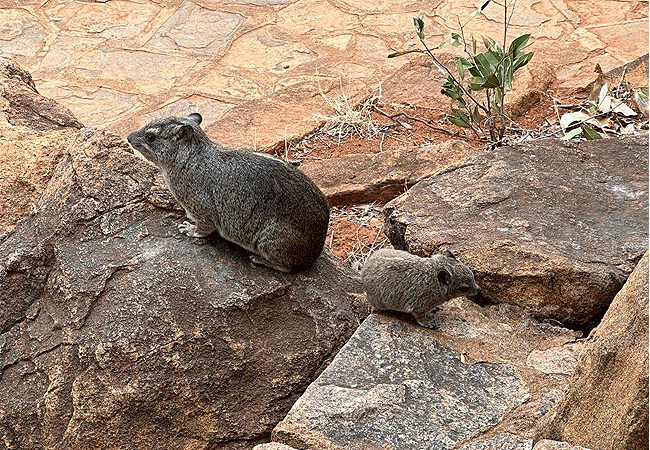
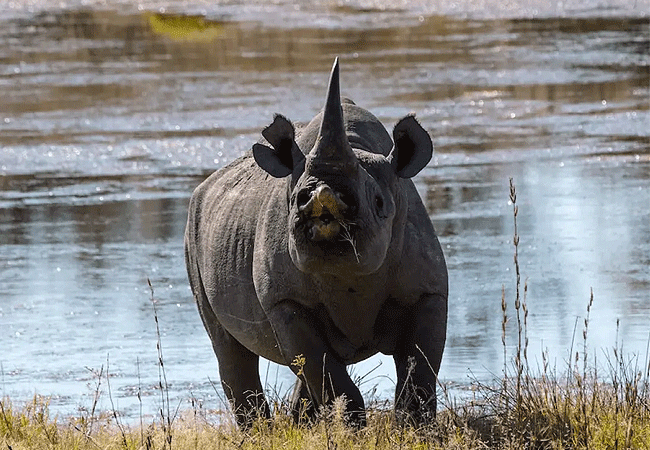
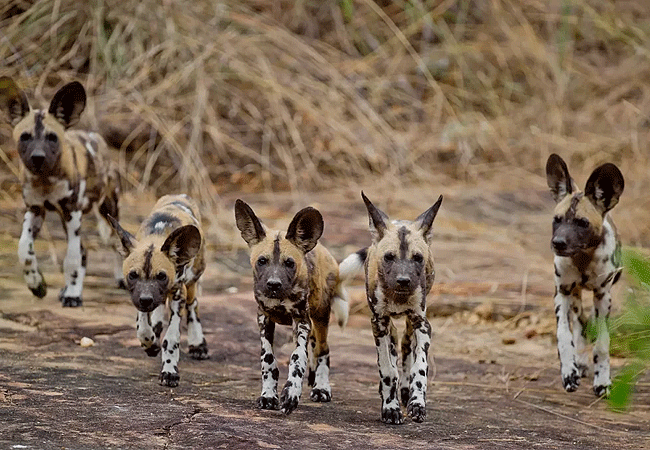
Wildlife that can be viewed in Mzima Springs Tsavo National Park Kenya
Wildlife & Biodiversity
Mzima Springs is a critical lifeline and a spectacular freshwater oasis within the vast, semi-arid expanse of Tsavo West National Park. Producing over 250 million liters of crystal-clear water daily, the springs form a vital habitat and watering hole that sustains a complex, isolated ecosystem. The surrounding landscape, characterized by ancient lava flows, volcanic ash cones, and dry savannah plains, stands in stark contrast to the verdant canopy of raffia palms, tamarinds, and fig trees that encircle the pools.
The springs act as a crucial keystone in the Tsavo Conservation Area, attracting a remarkable array of wildlife from miles around. Its permanent waters are essential for water-dependent species that could not otherwise survive in the arid lowlands, while the intricate ecological chain fueled by the nutrient-rich dung of resident hippos supports everything from microscopic algae to apex predators.
Mzima Springs provides a refuge for both terrestrial and aquatic animals, demonstrating a unique intersection of dryland wildlife and wetland ecology.
Wildlife at Mzima Springs
Large Mammals
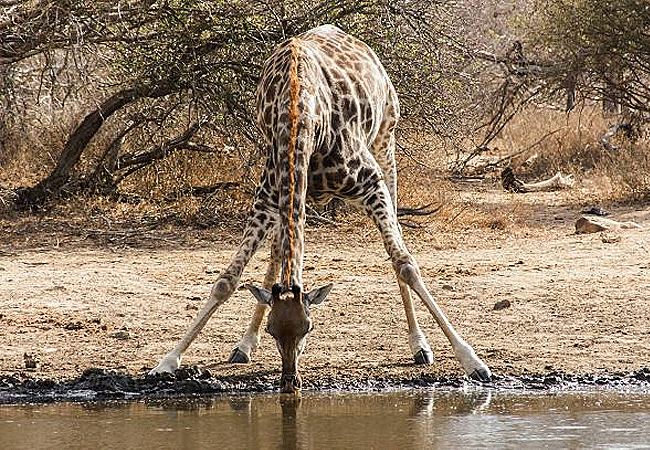
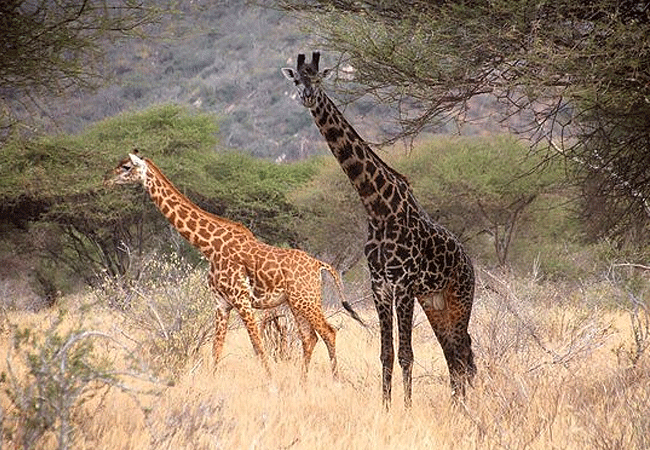
✓ Giraffes: Often seen towering above the surrounding bush, browsing on the acacia trees that border the oasis
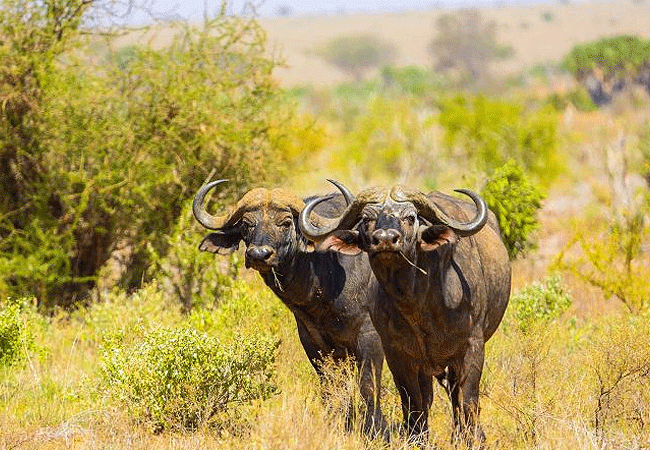
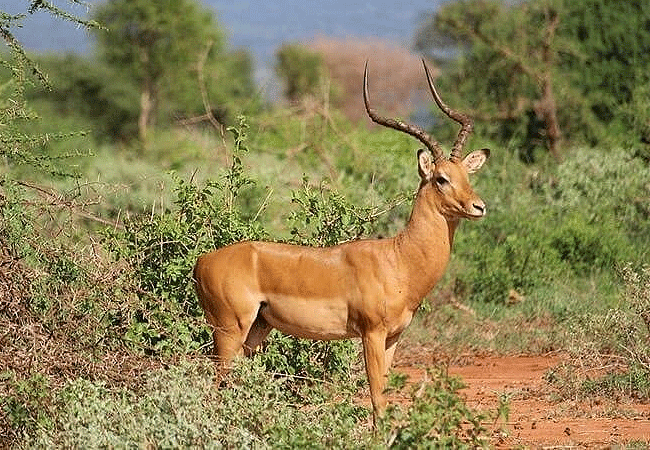
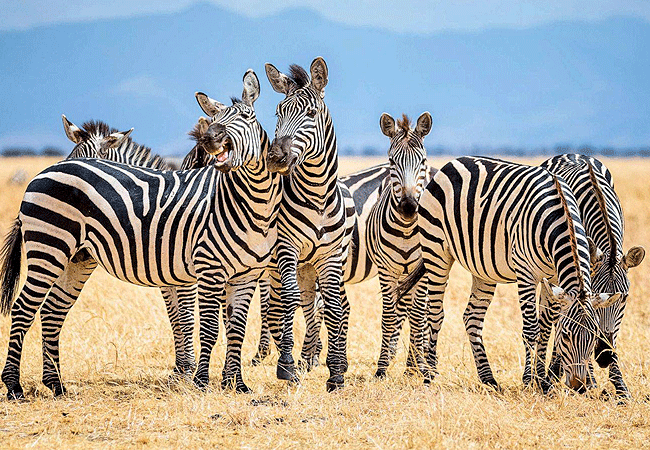
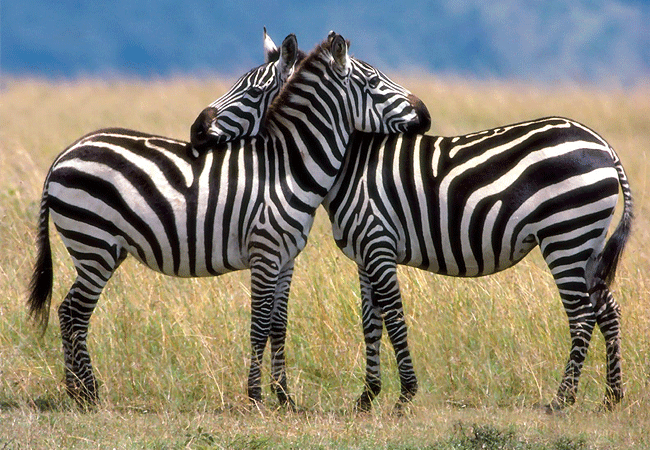
✓ Buffalo, Zebras, and Impalas: Common grazers that regularly migrate to the springs to quench their thirst, especially during the height of the dry season
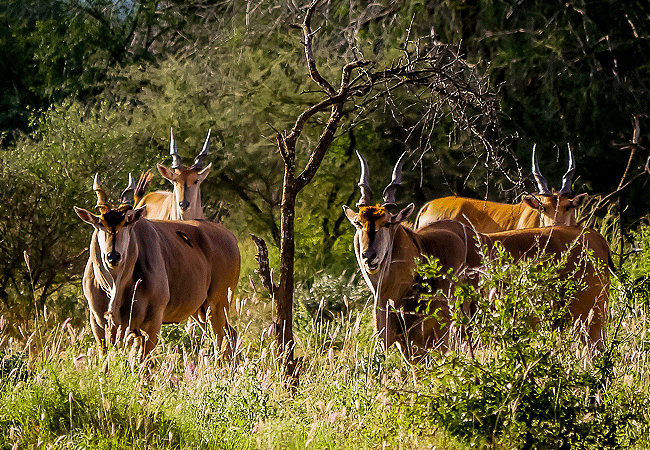
✓ Greater Kudu: A majestic and elusive antelope with spectacular spiraled horns, occasionally spotted hiding in the dense, shaded bush surrounding the water
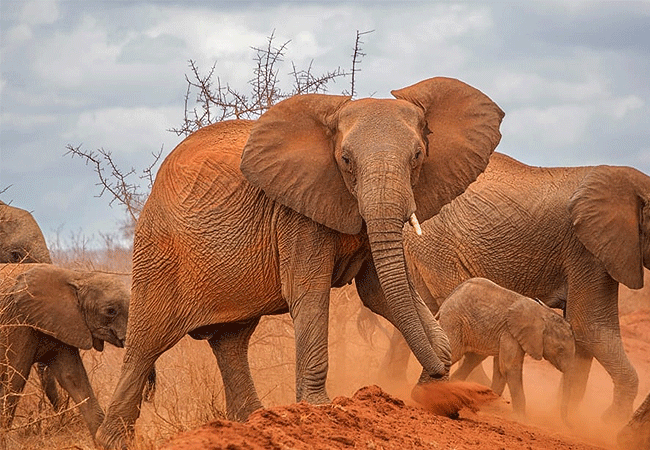
✓ African Elephants: Tsavo’s famous “red elephants” (tinted by the local volcanic soil) frequently journey to the springs to drink, bathe, and feed on the lush vegetation
✓ Hippopotamuses: The most famous residents of Mzima, these massive herbivores spend their days submerged in the upper pools to stay cool, and graze on the surrounding savannah at night
Predators & Reptiles
✓ Spotted Hyenas: Frequently heard in the surrounding area at night, occasionally visiting the water’s edge to drink or scavenge
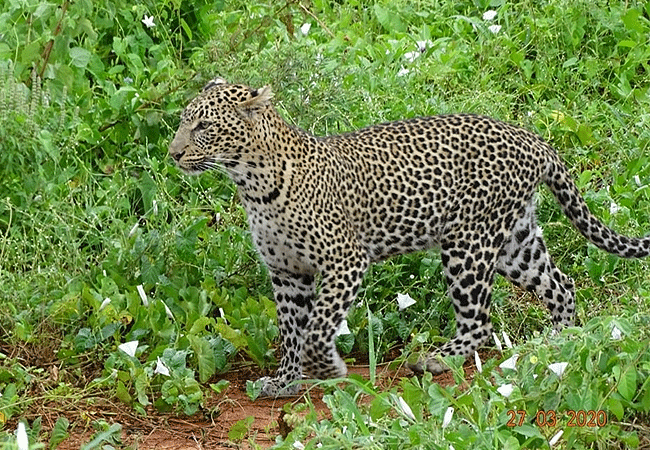
✓ Leopards: Elusive and solitary, leopards often utilize the thick canopy of the fig and tamarind trees near the water to rest and hunt
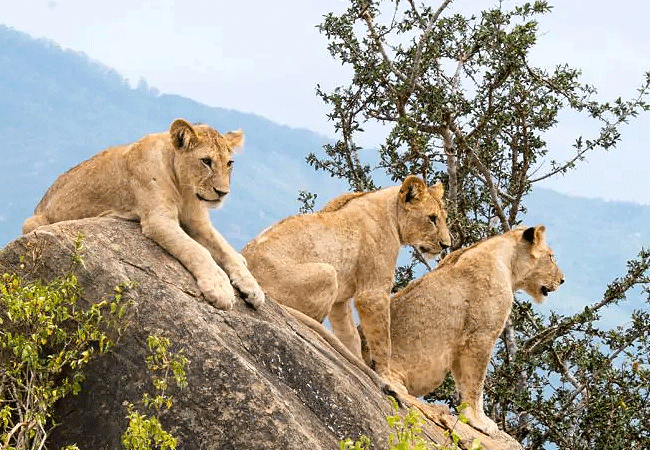
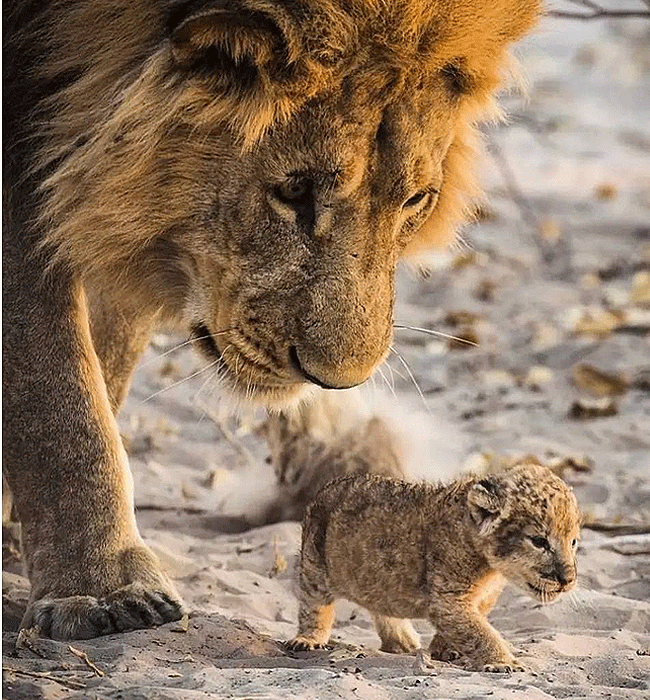
✓ Lions: While they do not live in the water, Tsavo’s resident prides are drawn to the springs, using the dense surrounding brush to ambush prey coming to drink
✓ Nile Crocodiles: Massive aquatic predators that thrive in the springs. They are often seen basking on the sun-drenched banks or gliding stealthily through the “long pool.”
Other Mammals & Aquatic Life
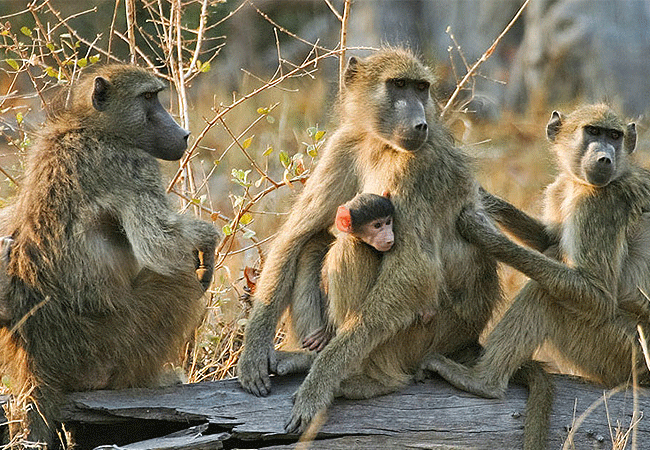
✓ Olive Baboons: Large troops are often encountered foraging along the walking trails and the shaded banks of the springs
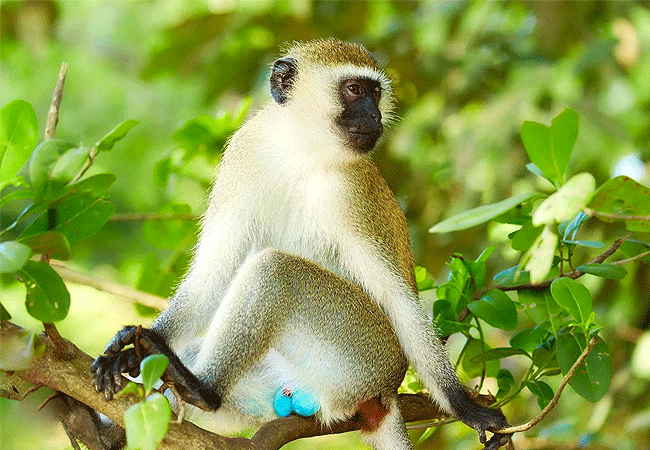
✓ Vervet Monkeys: Playful and mischievous primates commonly seen leaping through the trees, feeding on the fruits of the raffia palms and waterberries
✓ Barbel & Tilapia Fish: Thousands of these primeval-looking fish inhabit the crystal-clear waters, clearly visible from the underwater viewing chamber, feeding on invertebrates sustained by the hippo dung
Birdlife
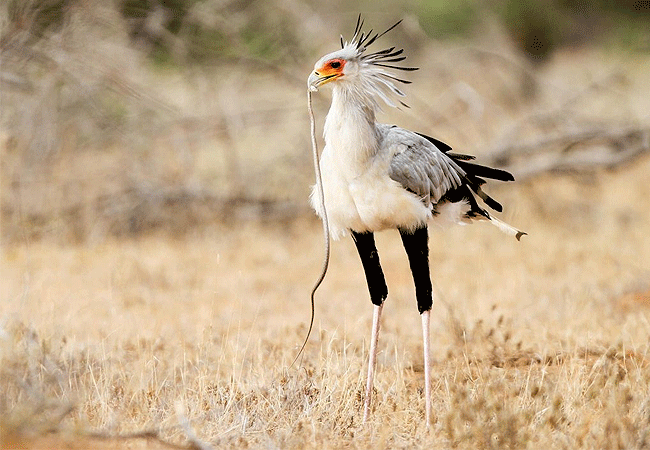
✓ Wading Birds: Herons, egrets, and yellow-billed storks can be seen patiently stalking the shallows, waiting to strike at fish and frogs
✓ African Fish Eagles: Powerful raptors with distinctive calls that perch high in the towering trees, scanning the pools to swoop down for a catch
✓ Forest & Canopy Dwellers: African grey hornbills, weavers, and sunbirds thrive in the dense, fruiting tropical vegetation surrounding the water
✓ Kingfishers: Brilliant flashes of blue, orange, and white, these agile birds are frequently seen diving rapidly into the clear waters to catch small fish
✓ Total Recorded Species: The Tsavo Conservation Area hosts over 400 bird species, and the lush micro-habitat of Mzima Springs serves as one of the most concentrated and rewarding birdwatching spots in the park
Accommodation options in Mzima Springs Tsavo National Park Kenya
Accommodation
Tsavo West National Park features outstanding lodges near Mzima Springs that combine luxury, sustainability, and authentic wilderness immersion. Each property offers a distinctive safari experience framed by the dramatic volcanic landscapes of southern Kenya and spectacular views of the Chyulu Hills and Mount Kilimanjaro.
Kilaguni Serena Safari Lodge
Kilaguni Serena Safari Lodge is a classic, superbly situated property sitting high on a ridge within Tsavo West, offering magnificent views of an active waterhole and the sweeping plains toward Mount Kilimanjaro. As one of the first lodges built in a Kenyan national park, it uses natural volcanic stone, timber, and soft earth tones to connect guests directly to the surrounding landscape.
The lodge offers 56 comfortable rooms and luxury suites, each with breathtaking panoramic views and private balconies. The design blends classic safari elegance with modern comfort, ensuring a serene harmony with nature.
Room Options
✓ Standard King Room
✓ Standard Twin Room
✓ Deluxe King Room
✓ Deluxe Twin Room
✓ Deluxe Triple Room
✓ The Kilaguni Suite
Guests can relax in the outdoor swimming pool or enjoy a range of wellness therapies at the Maisha Spa. Dining includes magnificent bush breakfasts, starlit dinners under acacia trees, and open-air meals at the central restaurant overlooking the floodlit waterhole.
Activities include day and night game drives, guided nature walks, cultural visits to local Akamba communities, excursions to Mzima Springs and the Shetani Lava Flow, and iconic sundowners at Lion Rock. Kilaguni offers exceptional game viewing opportunities directly from the terrace, including frequent encounters with massive elephant herds, buffalo, leopards, lions, giraffes, and Tsavo’s diverse birdlife.
Severin Safari Camp
Severin Safari Camp is an intimate eco-luxury tented camp nestled within the Kitani Wildlife Circuit of Tsavo West, offering a serene retreat with uninterrupted views of Mount Kilimanjaro. Built with a strong commitment to sustainability, the camp operates as an unfenced haven, allowing wildlife to roam freely while minimizing its environmental footprint through solar heating and eco-conscious operations.
Accommodation includes 27 spacious guest units, consisting of luxury canvas tents and exquisite suites, as well as self-catering cottages for guests seeking a more independent setting. Each unit features an ensuite bathroom with a hot shower, an outdoor veranda, and spectacular views of the surrounding wilderness.
Accommodation Options
✓ Junior Suites
✓ Kitani Self-Catering Cottages
✓ Executive Suites (Kibo and Mawenzi)
The Executive Suites feature corner bathtubs and private viewing decks, while the Junior Suites offer secluded sun decks complete with outdoor showers.
Guests can enjoy freshly prepared meals at the “Out of Africa” restaurant, relax at the “Thorn Tree” bar, or gather around the campfire for evening storytelling under the stars. The camp also features the Kenbali Spa and fitness center for ultimate relaxation. Activities include guided bush walks with Masai warriors, day and night game drives, wildlife tracking, excursions to Mzima Springs, and breathtaking sunset drinks at Poacher’s Lookout.
Mzima Springs Tsavo National Park Kenya Information
Mzima Springs meaning “alive”, is a beautiful oasis of four natural springs in Tsavo West National Park and only 48 kilometers from Mtito Andei town in Makueni county. The springs are a peaceful oasis at the heart of red-dusty Tsavo, and this magical place is not to be missed.
The pure water of the three Mzima pools, filtered by the porous, sponge-like soil of the Chyulu and the Shetani lava flow, brings life to a unique ecosystem just 40 kilometers from the Chyulu Hills.
Mzima Springs consists of two pools connected by a watercourse. The upper pool is particularly popular with hippos, while the crocodiles have retreated to the lower pool. Another little highlight: an underwater viewing chamber has been built in one of the pools. From there, you have the chance to observe the animals up close underwater.
The springs are one of the Tsavo’s most popular wildlife attractions owing to its resident populations of hippo and Nile crocodiles and some other animal species. . Mzima’s isolation makes both species dependent on its waters, other sources are too distant for them to reach by overland travel and the hippos also sustain an entire food chain.
They browse the surrounding savannah by night and return to Mzima’s pools by day, where their dung fertilizes the water. The spring with its crystal clear water became famous in 1983 through the film by Alan Roots, “Mzima: Portrait of a Spring”. In the film, crocodiles and hippos were observed in their underwater life.
The area is a paradise for fish, hippos, and crocodiles. Around the spring, you can find many different species of birds and monkeys. A little paradise in the middle of Tsavo West National Park!
The lava of the Chyulu mountain range to the north filters the crystal-clear water, thereby enabling uniquely good water quality. In 1966, a pipeline was built from the spring to the port city of Mombasa, and since then, the small but fine spring has been one of the largest suppliers of drinking water for the megacity of Mombasa. Simply incredible!
Tsavo West National Park safaris explore Chyulu Hills and Mzima Springs.
Booking & Reservations Mzima Springs Tsavo National Park Kenya Contact
Mobile: + 254-721-242-711
WhatsApp: +254-721-242-711
Reservations: +254 718-179-967
Email: [email protected]
Website: https://africanspicesafaris.com