
Nairobi Snake Park & Aquarium | adjacent to the Nairobi National Museum | 3 km (~10-minute drive or ~25-minute walk) from Nairobi Central Business District (CBD) 8.4 km (~20-minute drive) from Wilson Airport | ~10 km (about a 30-minute drive) from the Nairobi National Park (Main Gate) | 20 km (~30-minute drive via the Expressway) from Jomo Kenyatta International Airport (JKIA)
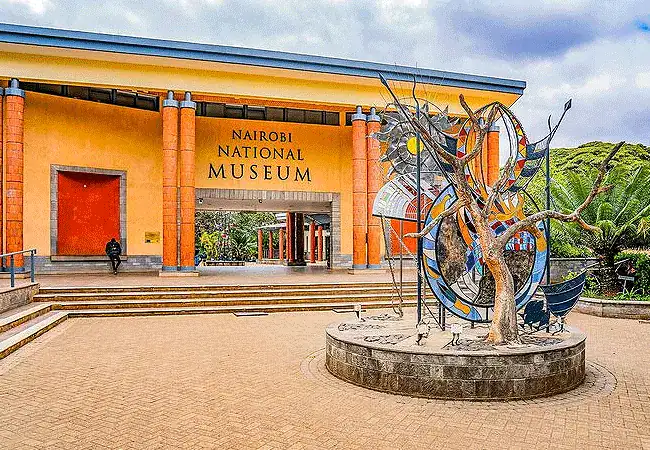
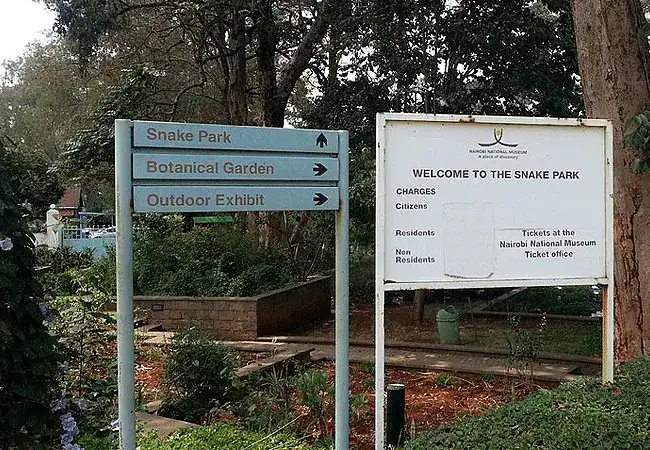
Nairobi Snake Park and Aquarium is a historic herpetological research center, reptile sanctuary, and public educational facility on the Nairobi National Museum campus in Nairobi, Kenya. Managed by the National Museums of Kenya (NMK), the park serves as a specialized venue for scientific research on reptiles, public conservation awareness, snake breeding, and exhibitions on aquatic biodiversity.
In addition to housing an extensive collection of live venomous and non-venomous snakes, crocodiles, alligators, tortoises, and lizards, the park features an adjoining freshwater and marine aquarium section displaying native and international aquatic species. Beyond its public exhibition role, the Snake Park serves as an active rescue center for threatened, injured, or unwanted reptiles, offers professional snake identification services, and helps Nairobi residents resolve human-wildlife conflict through residential snake removal.
Historical Background & Development Timeline
✓ 1954-1958 (Experimental Displays): Live reptiles were first exhibited on an experimental basis at the entrance of the Nairobi National Museum (Previously the Coryndon Museum) in 1958. Naturalist C.J.P. Ionides led early specimen donations, donating hundreds of snakes, lizards, and amphibians, including a rare adult Storms’ Water Cobra from Lake Victoria
✓ 1959-1960 (Land Acquisition & Construction): Following high public interest, Museum Trustees acquired land extending from the museum entrance down toward the Nairobi River. With support from the War Memorial Committee, construction began in 1959 to build a combined snake study center, park exhibit, botanical garden, and war memorial garden
✓ January 1961 (Official Public Opening): The Nairobi Snake Park officially opened to the public in January 1961. Renowned herpetologist Jonathan Leakey served as the park’s first curator from January 1960 to November 1961, succeeded by C. Webb (1962–1964) and J.O.P. Ashe (1964)
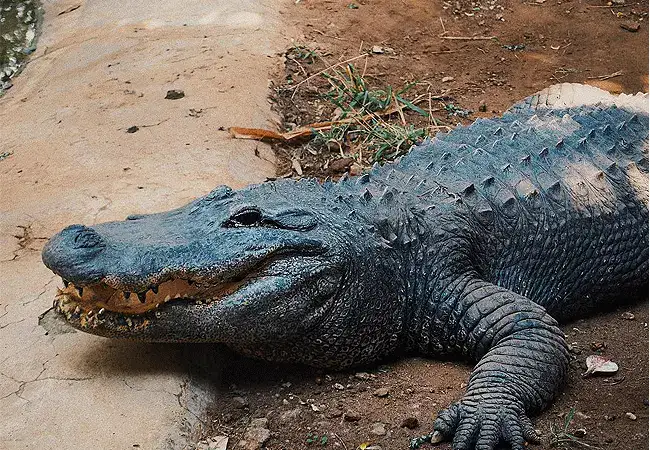
✓ 1961-1967 (Key Historic Specimen Acquisitions): In 1961, the park rescued a giant tortoise found wandering along a road in Limuru, which remains a living resident at the facility. In 1967, the park received a donated American alligator that grew into one of its signature long-term centerpiece exhibits
✓ 2008-2009 (Modernization & Upgrades): The facility closed temporarily in August 2008 for extensive renovations and reopened to the public in 2009 with upgraded terrariums, modernized aquarium tanks, botanical landscaping, and enhanced educational displays
Location & Accessibility
The Nairobi Snake Park and Aquarium is situated within the secure compound of the Nairobi National Museum on Museum Hill, just off Waiyaki Way and Kipande Road in Nairobi, Kenya. Located about 2 kilometers north of Nairobi’s Central Business District (CBD), the facility is easily accessible to urban visitors, tourists, and educational groups.
Operating Hours & Access Timing
✓ Daily Opening Hours: Open every day from 8:30 AM to 5:30 PM, including weekends and public holidays
✓ Night Tours: Available for organized groups of at least 10 people upon advance booking, operating from 6:00 PM to 10:00 PM
Access by Road & Local Transport
✓ Ride-Hailing & Taxis: Widely accessible via digital taxi apps (Uber, Bolt) and local metered cabs from any point in Nairobi
✓ On-Site Parking: Ample secure parking is available within the main Nairobi National Museum compound for private vehicles and tour buses
✓ From Nairobi Central Business District (CBD): A short 5 to 10-minute drive (~2 km) via Uhuru Highway and the Museum Hill interchange
✓ Public Transit (Matatus): Commuter matatus heading toward Westlands, Parklands, or Gigiri along Waiyaki Way or Kipande Road drop passengers within walking distance of the Museum Hill entrance
Access by Air
✓ Wilson Airport (WIL): Located approximately 6 to 8 km south of the museum. A straightforward 15 to 20-minute drive via the Uhuru Highway corridor
✓ Jomo Kenyatta International Airport (JKIA): Located approximately 18 to 22 km southeast of Museum Hill. Travel time ranges from 30 to 45 minutes via the Nairobi Expressway and Uhuru Highway, depending on traffic conditions
Nairobi Snake Park & Aquarium Exhibits, Collections & Species
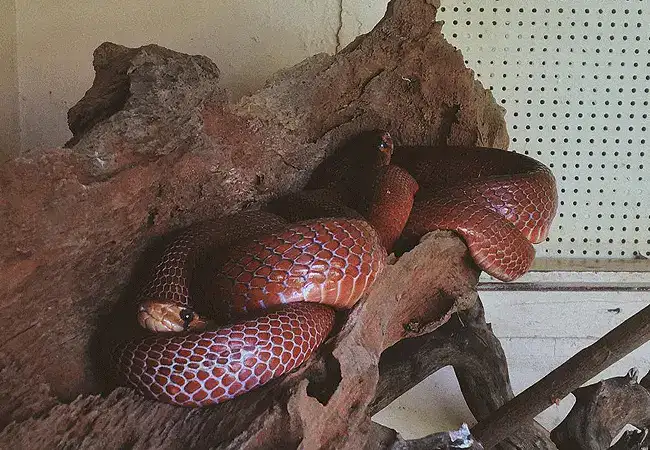
The Nairobi Snake Park and Aquarium houses an extensive live collection of reptiles, amphibians, fish, and botanical specimens, displayed across specialized indoor terrariums, open-air enclosures, and multi-tank aquarium systems.
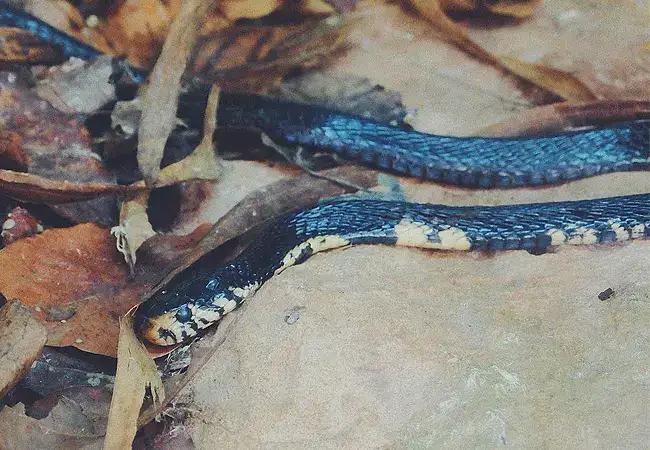
Venomous Snake Collection
✓ Boomslang: A rear-fanged, highly venomous arboreal snake possessing specialized hemotoxic venom
✓ Kenya Bush Viper: A small, highly textured venomous viper adapted for life in forest canopies and dense bush
✓ Puff Adder: A heavy-bodied, thick-set ambush predator with exceptional natural camouflage and potent cytotoxic venom
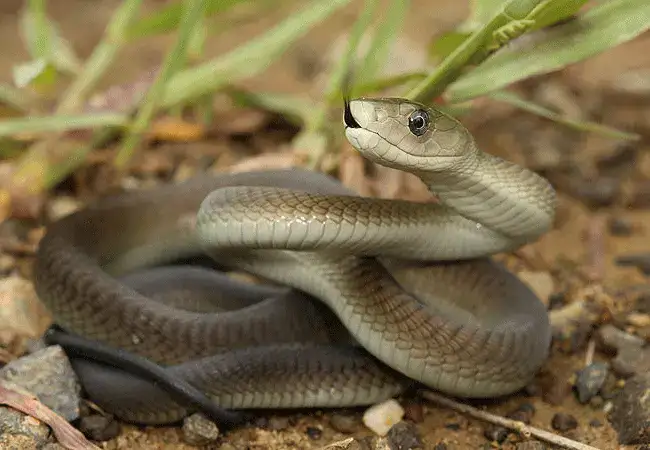
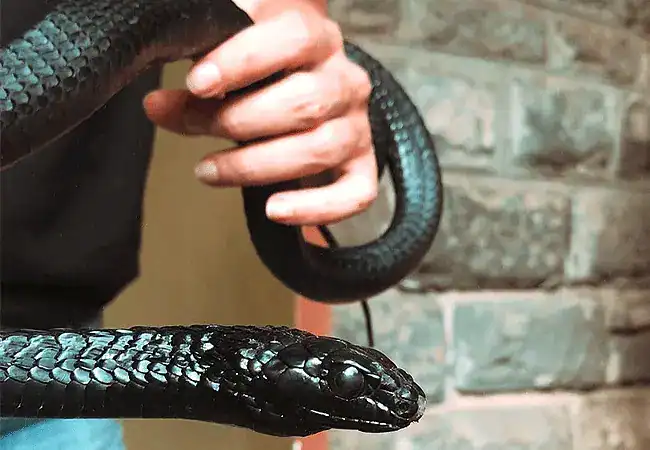
✓ Black Mamba: One of Africa’s most formidable serpents, recognized for its extreme venom toxicity, exceptional speed, and agility
✓ Green Mamba & Jameson’s Mamba: Striking tree-dwelling venomous snakes characterized by arboreal habits and vibrant coloration
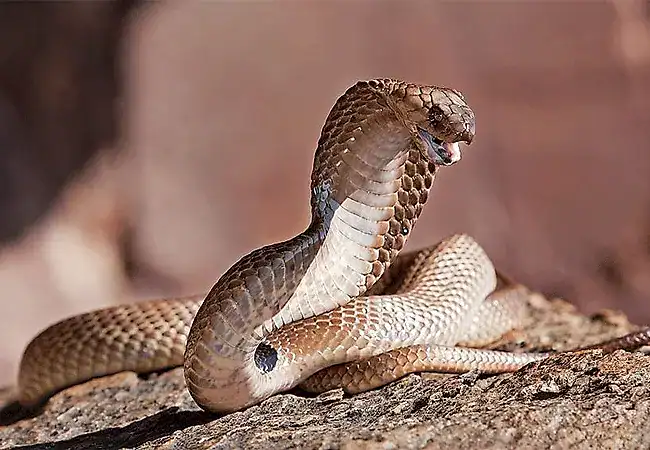
✓ Egyptian Cobra & Brown Spitting Cobra: Highly adaptable elapids renowned for their hooded displays and defensive capability to accurately project venom
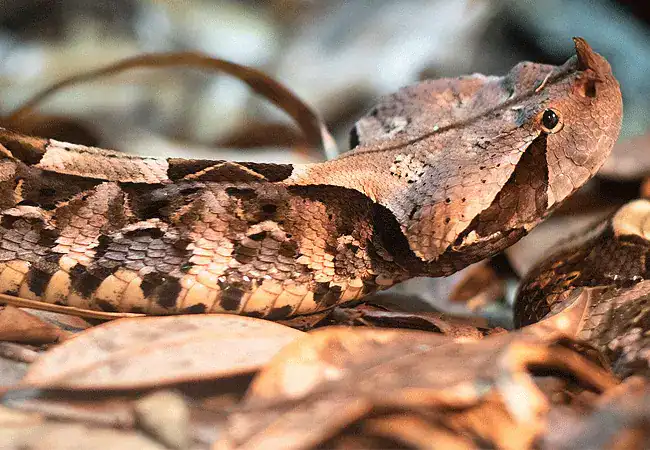
✓ Gaboon Viper: Celebrated for having the longest fangs of any snake species in the world, measuring up to 5 centimeters, paired with intricate geometric patterning
Non-Venomous Snake Collection
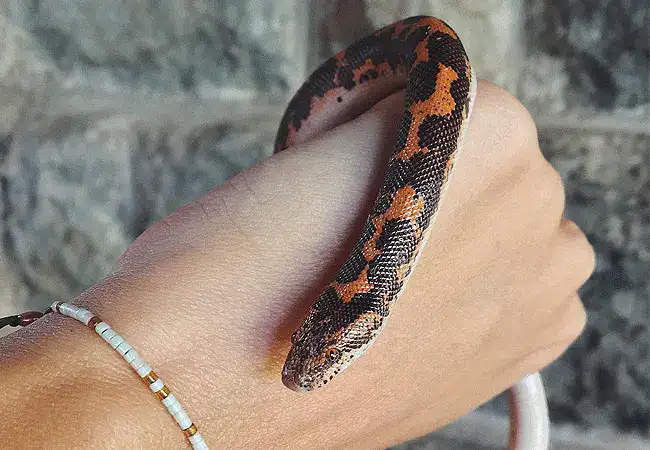
✓ Kenyan Sand Boa: A docile, heavy-set burrowing snake adapted to subterranean life in arid and sandy soils
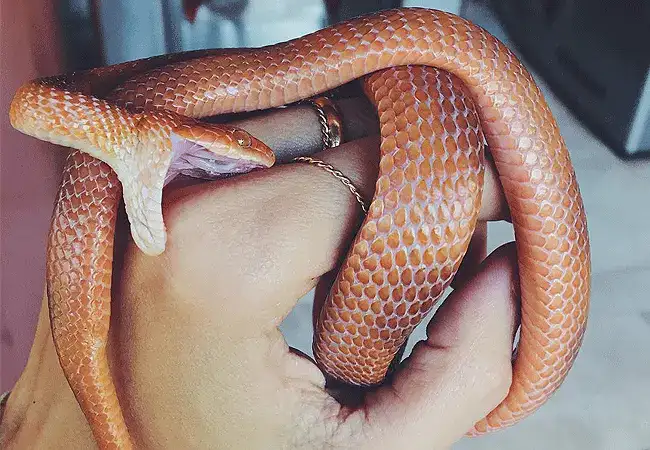
✓ Egg-Eater Snake: A specialized non-venomous snake possessing unique anatomical adaptations allowing it to swallow avian eggs whole
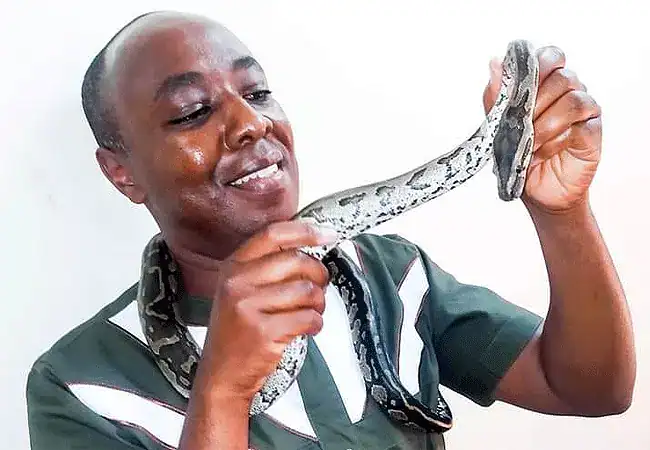
✓ Central African Rock Python: Africa’s largest snake species, non-venomous, which subdues prey through powerful muscular constriction
✓ Brown House Snake: A common, shy, non-venomous residential snake frequently found near human dwellings where it controls rodent populations
Crocodilians, Tortoises & Other Reptiles
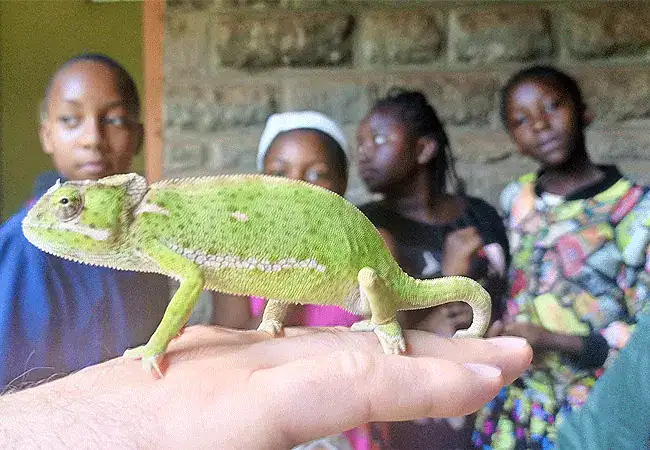
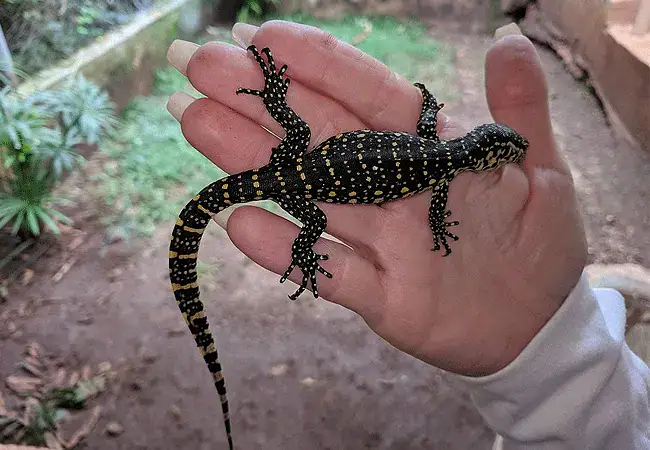
✓ Lizards & Small Fauna: Assorted monitor lizards, geckos, and varied terrestrial herpetofauna
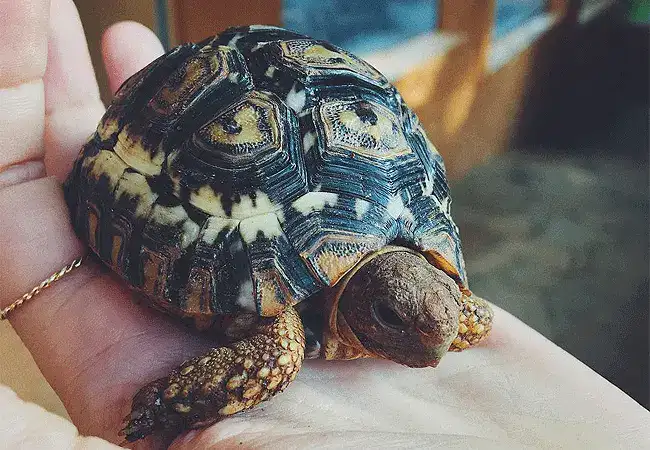
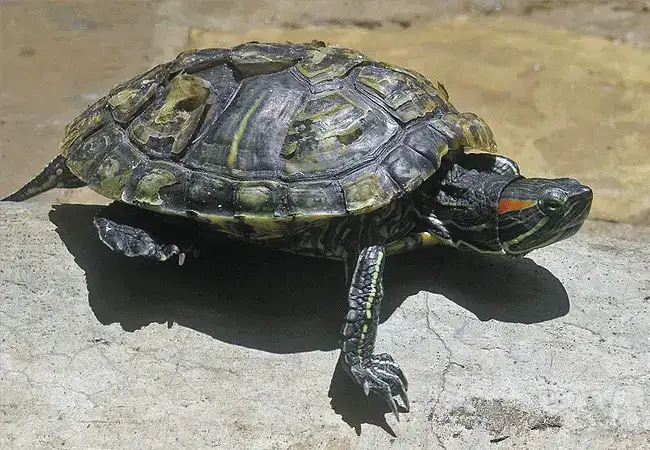
✓ Tortoises & Terrapins: Includes Leopard tortoises, freshwater terrapins, and a resident giant tortoise rescued in Limuru in 1961 that remains active at the park
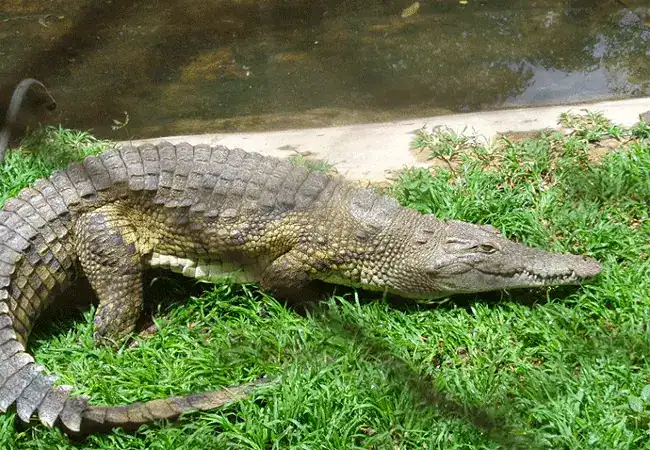
✓ Crocodiles & Alligators: Features multiple African crocodile species (including Nile crocodiles) alongside the park’s historic American alligator donated in 1967
Aquarium & Marine Collections
✓ Marine Aquarium & Invertebrates: A specialized coastal display featuring assorted marine reef fish, live corals, octopuses, giant snails, prawns, and Indian Ocean invertebrates
✓ East African Freshwater Fish: Diverse freshwater exhibits featuring fish populations sourced from Kenyan lakes, dams, and rivers, alongside prized species from Lake Malawi and Lake Tanganyika
Botanical Gardens
✓ Succulents & Flora: Surrounding landscaped grounds featuring an impressive collection of native Kenyan succulent plants, flowering shrubs, and heritage trees
Nairobi Snake Park & Aquarium Entry Fees
2026 Nairobi Snake Park & Aquarium Entrance Fees |
||
|
Nationality |
Adult |
Child/Student |
|
Kenyan / East African Citizen |
350 Kenya Shillings |
200 Kenya Shillings |
|
Residents & Rest of Africa |
1,200 Kenya Shillings |
800 Kenya Shillings |
|
Non-Resident |
2,300 Kenya Shillings |
1,200 Kenya Shillings |
Notes
* Bookings for all-night tours are to be done through the Public Relations Office a week before the visit
* Nairobi Snake Park & Aquarium Day Tour booking/reservation | Click Here
Nairobi Snake Park & Aquarium Visitor Experiences, Education & Facilities
The Nairobi Snake Park offers interactive educational experiences, community outreach, and access to the broader amenities of the Nairobi National Museum campus.
Visitor Tours & Public Engagement
✓ Interactive Exhibits: Live viewings of feeding sessions, reptile handling demonstrations, and aquarium displays
✓ Night Tour Experiences: Specialized night-time viewing tours available for groups of ten or more upon prior reservation
✓ Guided Tours: Comprehensive one-hour guided tours led by professional curators who explain reptile biology, venom types, and conservation efforts
Conservation, Rescue & Community Services
✓ Snake Identification Services: Expert consultation for identifying venomous versus non-venomous snake species found by the public
✓ Residential Snake Removal Assistance: Provides emergency and advisory support to Nairobi residents for safely removing snakes from residential properties
✓ Reptile Rescue & Shelter: Acts as the primary national sanctuary for abandoned, unwanted, injured, or rescued reptiles from urban and rural environments across Kenya
Research & Educational Programs
✓ Academic Research Hub: Provides scientific study facilities for herpetologists, university students, and researchers studying reptile behavior and breeding
✓ School & Institutional Outings: Tailored educational packages and school field trip programs designed to foster wildlife conservation awareness among students
Campus Amenities & Facilities
✓ Dining & Shopping: Access to campus restaurants, cafés, and museum gift shops selling local crafts and books
✓ Visitor Amenities: Secure parking, clean public restrooms, and accessible pathways throughout the compound
✓ Museum Integration: Seamlessly connects with the Nairobi National Museum exhibition halls, war memorial gardens, and outdoor botanical areas
Nairobi Snake Park & Aquarium Highlights
✓ Historic Herpetological Landmark: Established in January 1961 on Museum Hill, serving as Kenya’s premier public reptile exhibition, breeding, and research center
✓ Community Outreach & Services: Provides expert public support, including residential snake removal assistance, snake identification services, and conservation education
✓ Accessible Urban Location: Positioned just 5 to 10 minutes from Nairobi’s Central Business District with daily operating hours from 8:30 AM to 5:30 PM and secure on-site parking
✓ Freshwater & Marine Aquariums: Features vibrant multi-tank exhibits displaying native East African fish species from local lakes, rivers, and dams, alongside Indian Ocean marine life and live corals
✓ Botanical & Museum Integration: Set within lush botanical grounds featuring native succulent plants, directly connected to the Nairobi National Museum campus, exhibition galleries, and war memorial gardens
✓ Wildlife Rescue & Sanctuary: Functions as a vital national shelter and rehabilitation center for abandoned, unwanted, injured, or rescued reptiles and amphibians, including a resident giant tortoise rescued in 1961
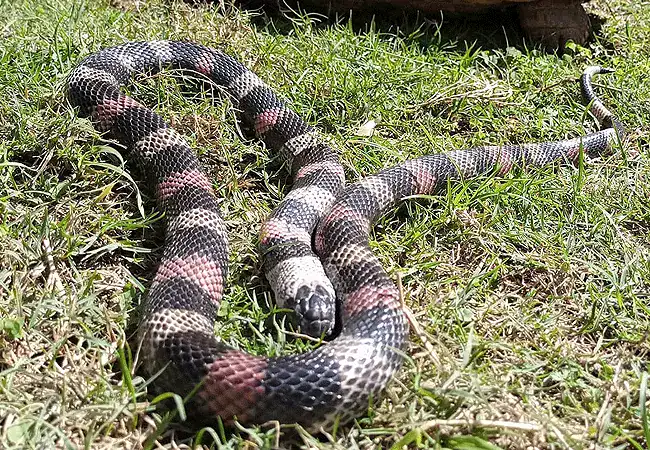
✓ Extensive Live Reptile Collection: Home to a diverse array of venomous and non-venomous snakes, including Black Mambas, Gaboon Vipers, Egyptian Cobras, and African Rock Pythons, alongside Nile crocodiles and historic resident animals like a 1967 American alligator
Booking & Reservations Nairobi Snake Park & Aquarium Contact
Mobile: + 254-721-242-711
WhatsApp: +254-721-242-711
Reservations: +254 718-179-967
Email:
Website: https://africanspicesafaris.com