
Nairobi National Park
Nairobi National Park is one of Africa’s most extraordinary wildlife destinations, a fully functioning national park located just 7 km from the heart of one of Africa’s busiest capital cities. Covering 117 km² (45 square miles), it offers a truly surreal safari experience where lions, rhinos, and giraffes roam against the backdrop of Nairobi’s glittering skyline.
Established as Kenya’s first national park, Nairobi National Park is electrically fenced on its northern, eastern, and western boundaries. Its southern boundary, formed by the Mbagathi River, remains open to the Kitengela Conservation Area and the vast Athi-Kapiti Plains, allowing seasonal wildlife migration into and out of the park.
During the dry season, plains game migrates in from the Kitengela Plains in large numbers, making game viewing particularly rewarding.
Despite its compact size, the park punches far above its weight, home to four of the Big Five, the highest concentration of black rhinos in Kenya, over 520 recorded bird species, and several world-class conservation centres, including the David Sheldrick Elephant Orphanage and the Nairobi Safari Walk.
Location & Accessibility
Nairobi National Park is uniquely accessible, just 10 km from Nairobi city centre and 15 minutes from Jomo Kenyatta International Airport, making it an ideal destination for both day trips and combined safari itineraries.
By Road:
✓ Transport: Accessible by private vehicle or public transport
✓ Distance from City Centre: Approximately 10 km via Langata Road
✓ Drive Time: 15 minutes from the city centre and Jomo Kenyatta International Airport
By Air:
✓ International Arrivals: Fly into Jomo Kenyatta International Airport (JKIA), then drive directly to the park
✓ Domestic Connections: Domestic chartered flights land at Wilson Airport, followed by a short drive to the park
Park Gates:
✓ Main Gates: Langata Gate (Main Gate at KWS Headquarters on Langata Road), Maasai Gate, Cheetah Gate, East Gate (Embakasi), Banda Gate, and Mbagathi Gate (service gate)
Ecosystem & Vegetation
Nairobi National Park features a diverse mosaic of habitats that support an exceptional range of wildlife within a surprisingly small area.
✓ Rocky Valleys & Gorges: Broken bush, deep rocky valleys, and gorges with scrub and long grass on the western boundary
✓ Tree Species: Muhuhu, Cape Chestnut, and African Olive (Mutamaiyu) are among the notable tree varieties found in the park
✓ Man-Made Dams: Several dams created within the park provide additional wetland habitats favourable to waterbirds and other species
✓ Open Grasslands: Wide, rolling dry transitional savannah plains the park’s dominant habitat with scattered acacia bush providing cover for predators and grazers alike
✓ Riverine Forest: A permanent river on the western side is fringed by highland dry forest and dense riverine woodland, home to buffalo, leopards, and a wide variety of birds
✓ Kitengela Migration Corridor: The open southern boundary connects to the Athi-Kapiti Plains, a vital wildlife dispersal area and seasonal migration corridor that brings large numbers of plains game into the park during the dry season
Wildlife
Nairobi National Park is home to an impressive diversity of wildlife. Notably, it is the only park in Kenya with no elephants, which were relocated to reduce human-wildlife conflict. However, it holds the highest concentration of black rhinos in the country.
Big Five & Large Mammals:
✓ Buffalo: Commonly encountered in herds across the park’s grasslands
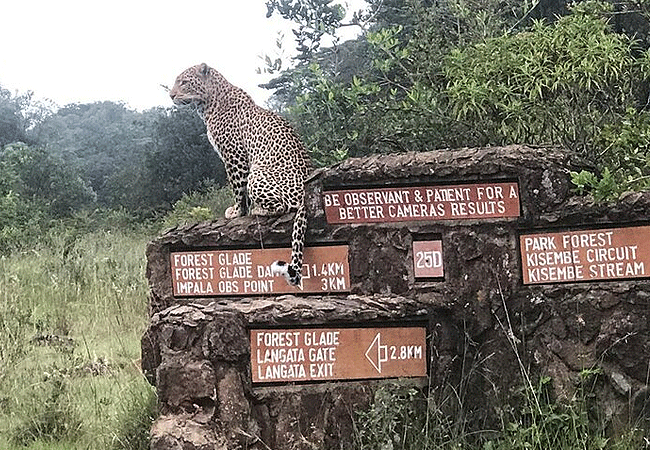
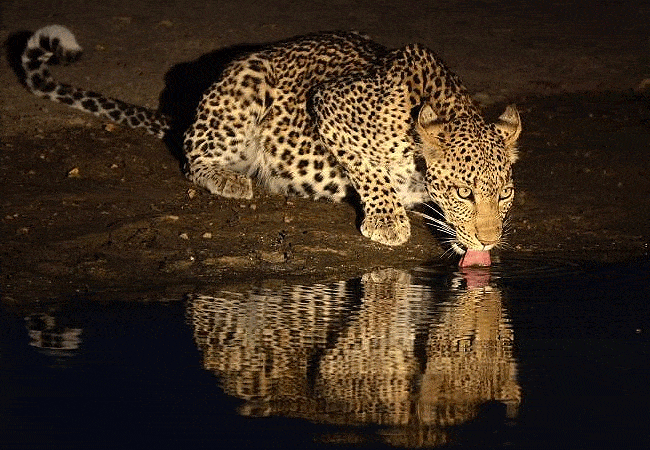
✓ Leopards: Present in the forested and rocky areas; elusive but seen on night game drives
✓ Lions: Regularly sighted on the open plains, particularly during morning and evening game drives
✓ Rhinos: 76 indigenous black rhinos and 13 white rhinos — the highest number of black rhinos in Kenya. The park is known as ‘Kifaru Ark’ in recognition of its outstanding rhino conservation
✓ No Elephants: Elephants were moved from the park to reduce human-wildlife conflict; the David Sheldrick Elephant Orphanage within the park rehabilitates orphaned elephants for release into Tsavo
Other Mammals:
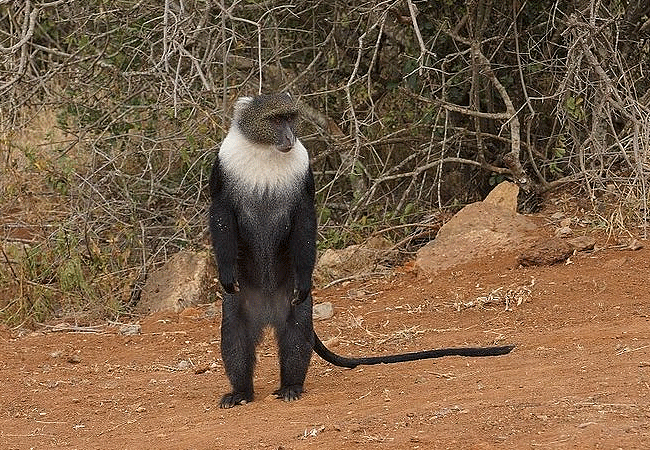
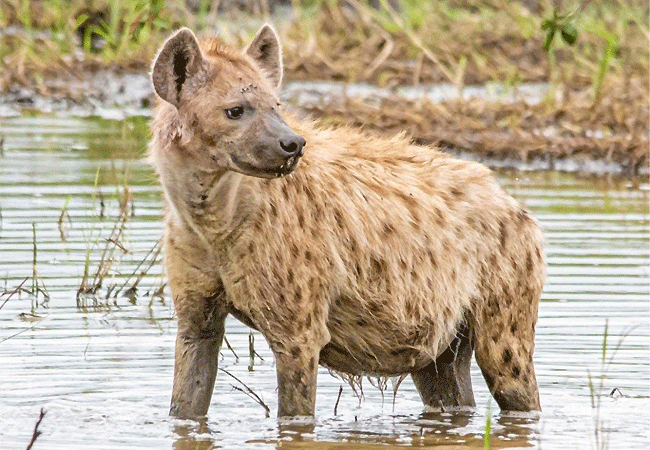
✓ Predators & Scavengers: Spotted hyenas, black-backed jackals, and olive baboons
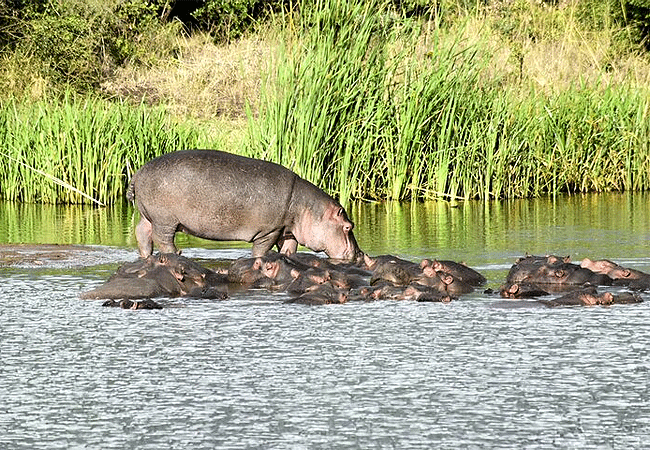
✓ Aquatic Species: Hippopotamus and Nile crocodiles at the Hippo Pools along the Athi River
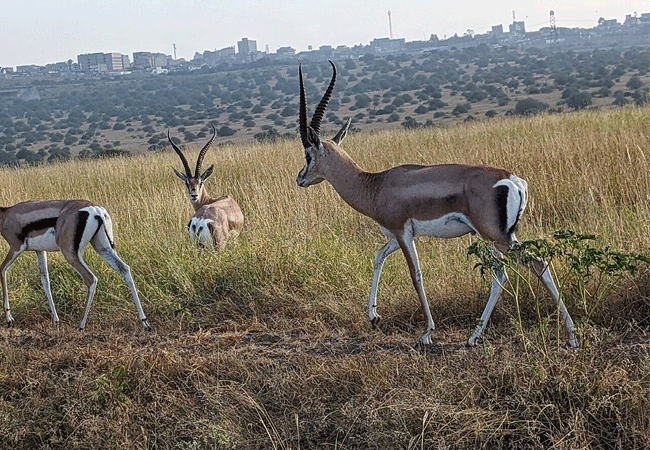
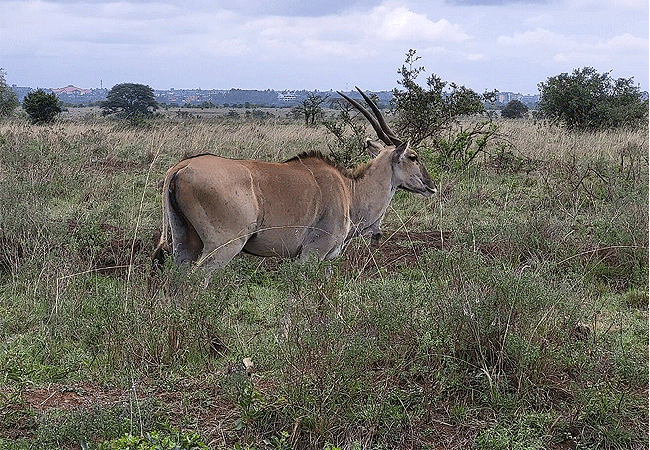
✓ Plains Game: Giraffes, common zebras, blue wildebeest, cheetahs, elands, impalas, hartebeests, waterbucks, Thomson’s and Grant’s gazelles, and common warthogs
Reptiles:
✓ Species: Monitor lizard, Nile crocodile, Agama lizard, Jackson’s chameleon, rock python, puff adder, sand snake, leopard tortoise, and serrated hinged terrapin
Birdlife:
With over 520 recorded bird species, Nairobi National Park is one of Kenya’s premier birdwatching destinations, extraordinary for a park of its size.
✓ Other Notable Species: Superb starling, lilac-breasted roller, African skimmer, bronze-winged courser, and African quail-finch
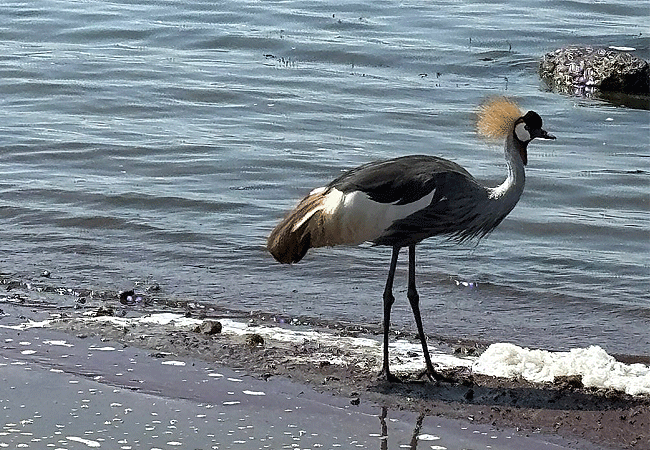
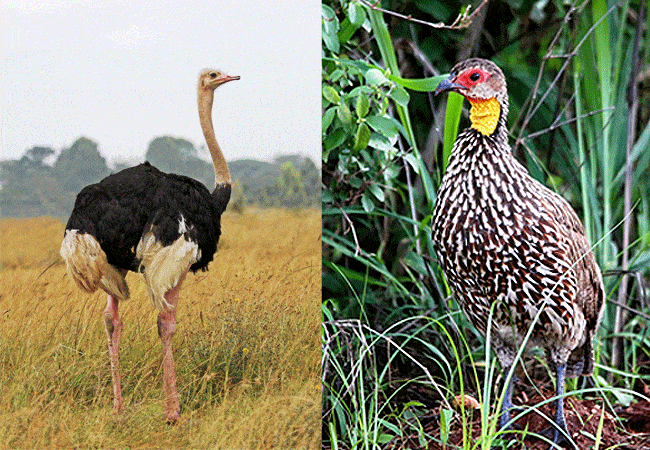
✓ Ground Birds: Maasai ostrich, kori bustard, white-bellied bustard, Hartlaub’s bustard, helmeted guineafowl, and grey-crowned crane
✓ Waterbirds: Goliath heron, saddle-billed stork, African darter, African finfoot, dwarf bittern, spur-winged goose, and yellow-billed oxpecker
✓ Rare & Threatened Species: Shoebill stork, Madagascar pond-heron, lesser kestrel, Basra reed warbler, martial eagle, and Jackson’s widowbird
✓ Migratory Birds: November to April is the best birding period, with migratory species arriving from Europe and North Africa including over 5,000 lesser falcons at peak times
✓ Raptors: African fish eagle, African crowned eagle, secretarybird, Ruppell’s griffon vulture, black-chested snake-eagle, Gabar goshawk, augur buzzard, tawny eagle, bateleur eagle, and Ayres’s hawk-eagle
Activities
Game Viewing:
Game drives are the most popular way to explore the park, with options for morning, afternoon, and night drives — each offering a different wildlife experience.
✓ Morning Game Drives: 6:00 AM – 9:00 AM: ideal for witnessing predators winding down after a night of hunting
✓ Night Game Drives: A rare and exciting opportunity to observe nocturnal species, including hyenas and elusive leopards
✓ Afternoon Game Drives: 3:00 PM – 6:00 PM: excellent light for photography; giraffes, zebras, and wildebeest are most active
Rhino Tracking:
✓ Timing: Early morning or late afternoon when rhinos are most active
✓ Conservation Focus: Rangers provide education on rhino behaviour, habitat, and anti-poaching efforts. Visitors directly support the park’s conservation initiatives
✓ Experience: Guided by experienced KWS rangers, visitors track black rhinos on foot and by vehicle, one of the best places in Kenya to see these endangered animals up close
Bird Watching:
✓ Best Period: November to April for migratory species
✓ Species Count: Over 520 recorded species across savannah, forest, wetland, and riverine habitats
✓ Notable Sightings: Shoebill stork, secretarybird, saddle-billed stork, lesser falcon, and African crowned eagle
Bush Dinners & Sundowners:
✓ Sundowners: Drinks served at a scenic spot as the sun sets over the savannah a relaxed and memorable end to an afternoon game drive
✓ Bush Dinner: Gourmet dining in the wild, with tables, safari chairs, a bush bar, and a bush kitchen serving meats, poultry, fish, vegetables, soups, salads, and desserts all with the Nairobi skyline as a backdrop
Click on the links below to view our Nairobi National Park tours:
Nairobi National Park Day Tour | Click Here
Nairobi Night Game Drive Safari | Click Here
Nairobi National Park 2 Days 1 Night Tour | Click Here
Nairobi National Park Carnivore Bomas Kenya Tour | Click Here
Nairobi National Park Game Drive & Bush Dinner Tour | Click Here
Nairobi National Park Elephant Orphanage Giraffe Centre Tour | Click Here
Picnic Sites:
✓ Leopard Cliff Observation Point (Junction 15): Panoramic views of wildlife and a rocky gorge below; no facilities on site
✓ Mokoyeti Picnic Site (Junction 14B): Open cliff-top site with thatch-roofed shaded tables, latrines, and extensive parking; great for families
✓ Kingfisher Picnic Site (Junction 27C): Cool, green-shaded area with picnic tables; ideal for bush breakfasts, lunchtime breaks, or sundowners
✓ Impala Observation Point (Junction 23B): Stone-built rondavel on a hilltop with panoramic views; excellent for scanning the park for wildlife
✓ The Ivory Burning Site (Junction 1A): Historic site where President Moi burned 12 tons of ivory in 1989; open grass area with picnic tables, shade, and latrines
✓ Hippo Pools & Nature Trail (Junction 12): Hippos wallowing in the Athi River, Nile crocodiles and terrapins on the banks; 1 km self-guided nature trail patrolled by KWS rangers; shaded picnic area with running water and latrines. Visitors must vacate by 5:15 PM
Conservation Centres & Attractions
David Sheldrick Elephant Orphanage
Located within Nairobi National Park, approximately 17 km from the city centre, the David Sheldrick Wildlife Trust Elephant Orphanage is one of Kenya’s most iconic conservation institutions.
✓ Keepers: Each elephant calf is assigned a dedicated keeper who acts as a surrogate mother until release
✓ Reintegration Units: Three units located in the Greater Tsavo Conservation Area, Ithumba and Umani Springs in the Kibwezi Forest
✓ Visiting Hours: Open daily 11:00 AM – 12:00 PM; evening visits by appointment from 5:00 PM when elephants return to the stockades
✓ Elephants: Over 100 elephants raised by the trust are now living wild lives in Tsavo National Park; the age range of orphans spans from a few months to three years
✓ Mission: Hand-rears orphaned elephant and rhino calves rescued from across Kenya due to poaching, drought, and human-wildlife conflict, then reintegrates them into the wild in Tsavo East National Park
Nairobi Safari Walk:
Located off Langata Road at the KWS headquarters, approximately 7 km from the city centre, the Nairobi Safari Walk is a raised wooden boardwalk showcasing Kenya’s diverse wildlife and ecosystems.
✓ Opening Hours: 9:00 AM – 5:30 PM daily
✓ Facilities: Raised boardwalks, strategically placed viewpoints, informational signboards, and resting benches along the woodland trail
✓ Concept: A showcase for Kenya’s national parks and reserves, giving visitors a preview of the wildlife they can expect on safari across the country
✓ Three Ecosystems: Wetland (water lilies, papyrus, pygmy hippos, and crocodiles), Savannah (albino zebra, white rhino, bongo, cheetah, leopard, lion, giraffe, and antelopes), and Woodland nature trail (150 species of indigenous trees with signposts describing traditional uses)
Nairobi Animal Orphanage
Located near the KWS headquarters along Langata Road, the Nairobi Animal Orphanage serves as a treatment and rehabilitation centre for wild animals.
✓ Opening Hours: 8:00 AM – 6:00 PM daily (seven days a week)
✓ No Guide Required: Visitors can explore independently; all information is provided on signage throughout
✓ Experience: All enclosures are labelled with each animal’s story, how they were rescued, where they came from, and their rehabilitation journey
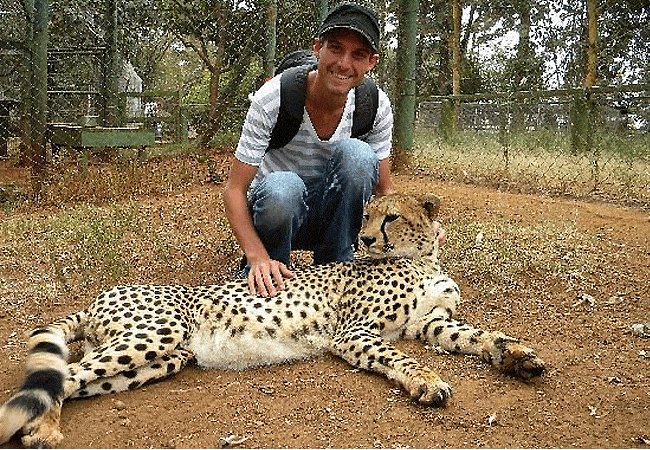
✓ Animals: Over 20 animal and bird species, including lions, cheetahs, leopards, hyenas, jackals, serval cats, rare Sokoke cats, warthogs, monkeys, baboons, buffalo, parrots, guineafowls, crowned cranes, and ostriches
Climate & Best Time to Visit
✓ Short Dry Season: January to February — good conditions for game drives and rhino tracking
✓ Dry Season: June to September — excellent game viewing, clear skies, and easy animal spotting
✓ Best Birding Period: November to April — peak migratory bird season with the greatest species diversity
✓ Year-Round: The park is open all year and can be visited at any time; proximity to Nairobi makes it an easy add-on to any itinerary, regardless of season
✓ Best Time to Visit: The dry season from June to September is the prime period for wildlife viewing, as animals concentrate around water sources and vegetation is lower
✓ Rainy Seasons: March to May (long rains) and October to November (short rains) — high grass and wet conditions make wildlife spotting more challenging; game drives may be restricted after heavy rain
Accommodation
✓ Osoita Lodge: Peaceful lodge option close to the park
✓ Ololo Safari Lodge: Elegant lodge adjacent to the park
✓ Twiga Campsite: Budget camping option near the park
✓ Nyati Hill Cottages: Self-catering cottages near the park
✓ The Last Village Lodge: Quiet retreat near the park boundary
✓ Emakoko Lodge: Boutique luxury lodge on the park boundary
✓ Tamarind Tree Hotel: Mid-range hotel option in the Nairobi area
✓ Masai Lodge: Comfortable lodge near the park with traditional Maasai-inspired design
✓ Other Options: Eka Hotel, Panari Hotel, African Heritage House, Emara Ole Sereni, and Ole Sereni Hotel, all within easy reach of the park
Nairobi National Park Entrance Fees
Nairobi National Park Entrance Fee (1st January 2026 to 31st December 2026)
|
East African Citizen |
Kenyan Resident |
Non-Resident |
African Citizen |
||||
|
Adult |
Child/ |
Adult |
Child/ |
Adult |
Child/ |
Adult |
Child/ |
|
1,000 |
500 |
1,350 |
675 |
80 |
40 |
40 |
20 |
Nairobi Animal Orphanage / Nairobi Safari Walk Entrance Fee (1st January 2026 to 31st December 2026)
|
East African Citizen |
Kenyan Resident |
Non-Resident |
African Citizen |
||||
|
Adult |
Child/ |
Adult |
Child/ |
Adult |
Child/ |
Adult |
Child/ |
|
300 |
200 |
405 |
300 |
25 |
15 |
15 |
10 |
Notes
* International (INTL) Visitors – Refers to visitors other than EAC and the rest of Africa with a valid passport
* Rest of Africa – Refers to nationals of African countries other than East African countries with a valid passport
* Kenyan Citizen – Refers to Kenyan nationals by birth and registration, with a valid Identification Card and a valid passport
* Resident -Refers to persons of other nationalities residing in Kenya with valid documentation from the Kenyan government
* Daily fee is a single entry fee valid for 24 hours of continuous uninterrupted stay inside a KWS national park/ reserve/ sanctuary
* Senior Citizen – Refers to Kenyan Citizens aged 75 years and above. Senior citizens shall access all KWS parks, reserves, and sanctuaries for free
* Children -Refers to persons aged five (5) years to seventeen years (17) years. Children below the age of five (5) years shall access all KWS parks, reserves, and sanctuaries for free
* East African Community (EAC) Citizen – Refers to nationals of East African countries of Kenya, Uganda, Tanzania, Rwanda, South Sudan, Burundi and the Democratic Republic of Congo (DRC)
* Conservation Fees – Refers to fees charged in national parks, reserves, and sanctuaries to conserve and protect natural resources, such as wildlife, habitats, and ecosystems
* Persons with Disabilities (PWD) – Refers to Kenyan Citizens who have a physical, sensory, mental, or other impairment, including any visual, hearing, learning, or physical incapability, which adversely impacts social, economic, or environmental participation. PWD access to all KWS parks and sanctuaries for free upon presentation of valid documentation from the National Council for Persons with Disabilities
* Student – Refers to an individual from a recognized secondary, government, or private college or university up to twenty-three (23) years old visiting the parks for purposes of learning about conservation through a documented and organized arrangement with that institution. It excludes students on personally arranged holidays. KWS will require a minimum of one (1) week’s notice to issue a written authorization for the student rate
Nairobi National Park Wildlife | Animals & Birds
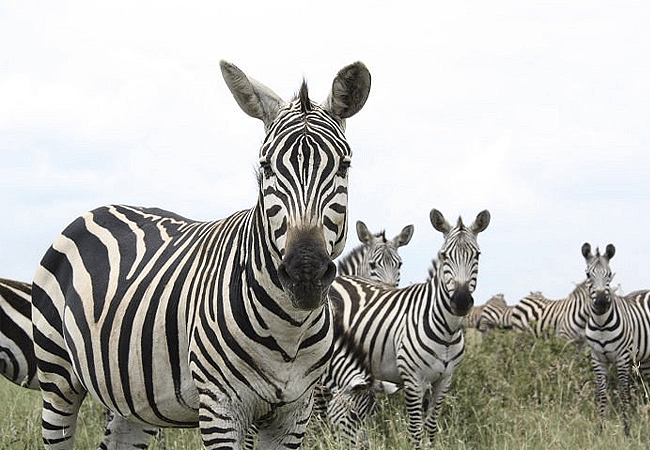
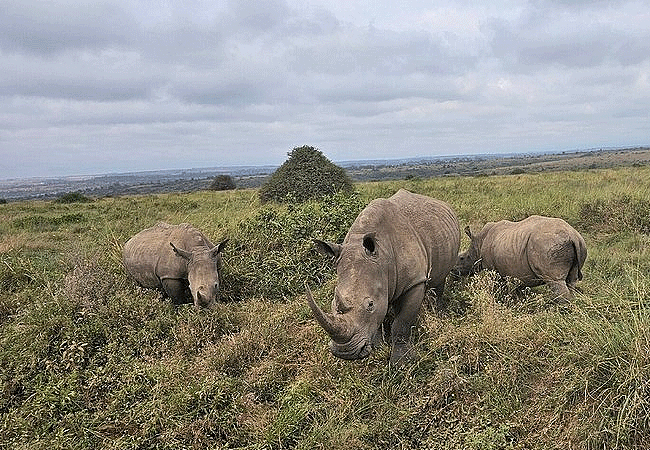
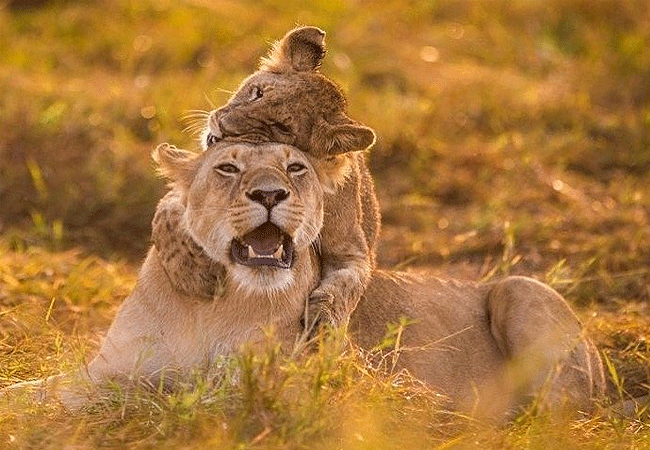
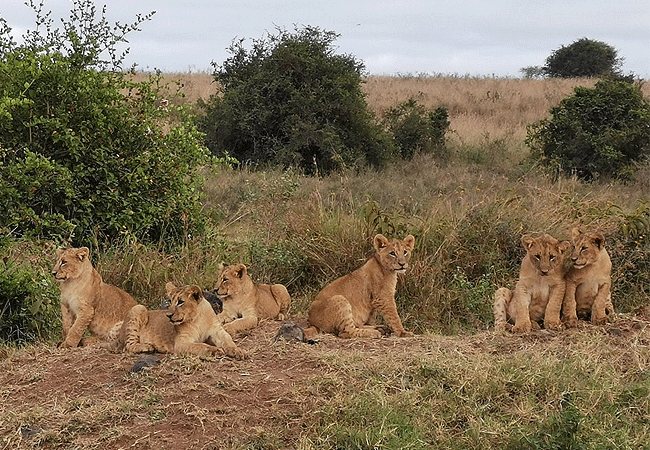
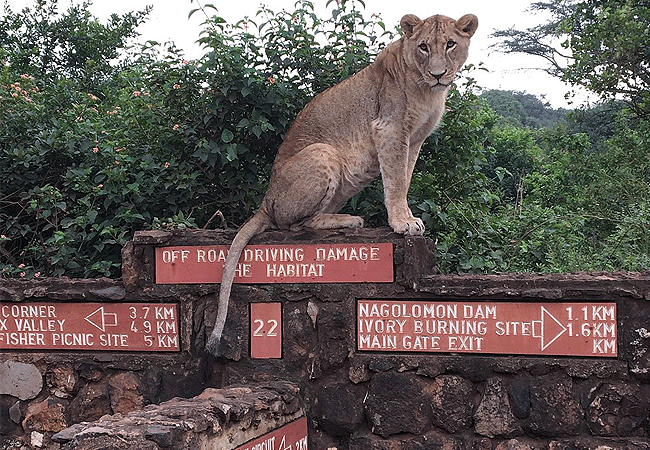
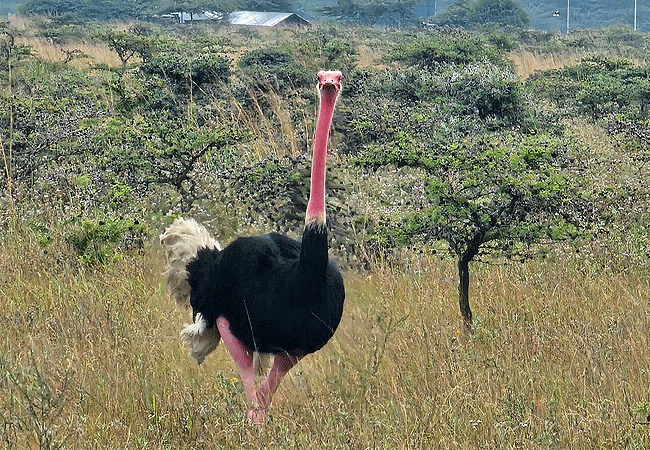
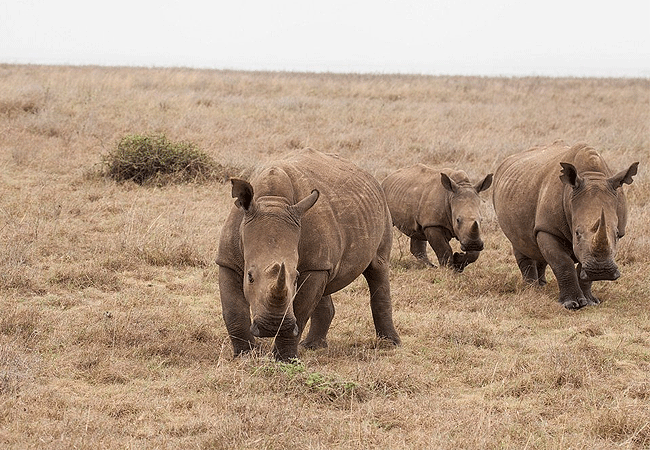
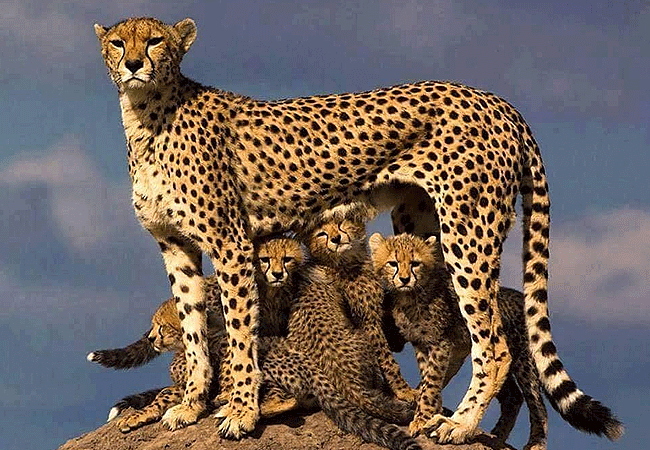
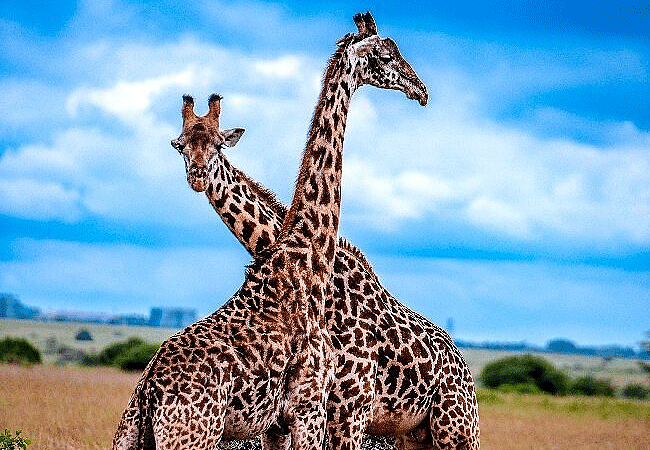
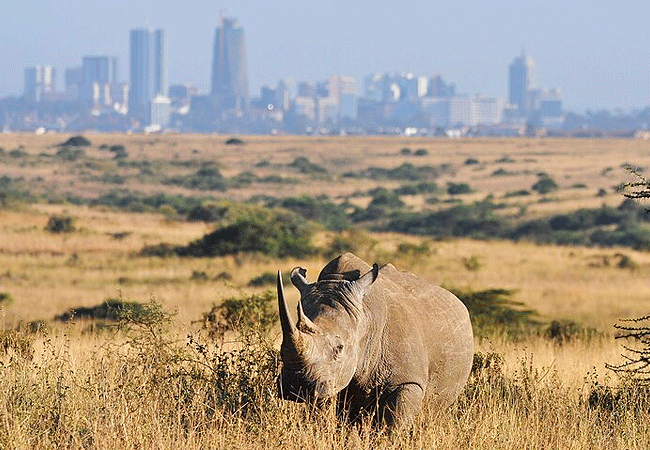
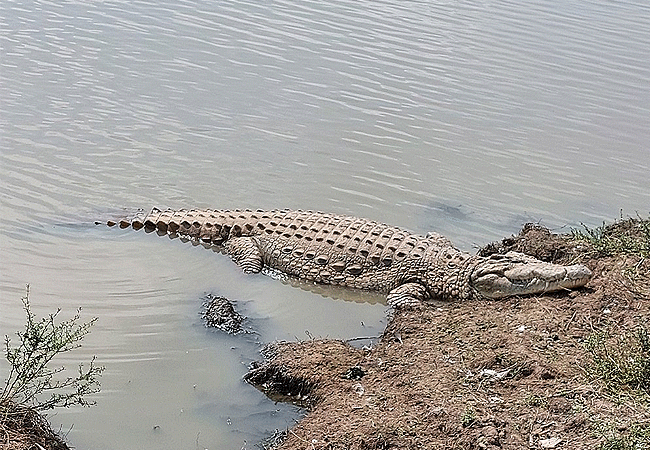
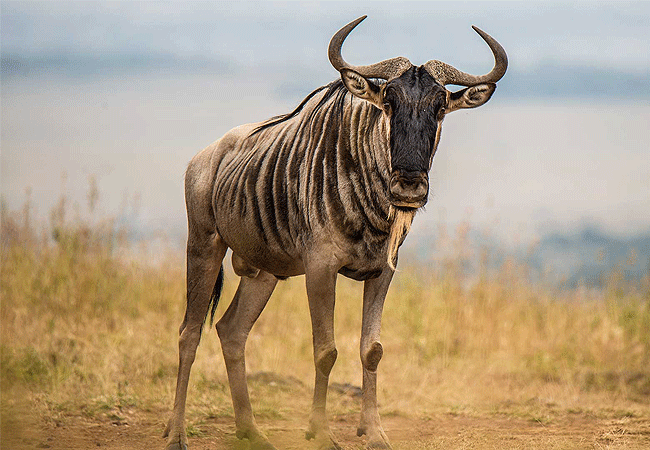
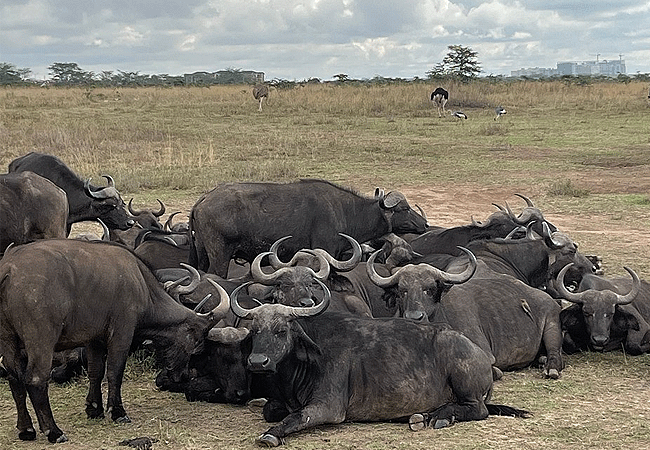
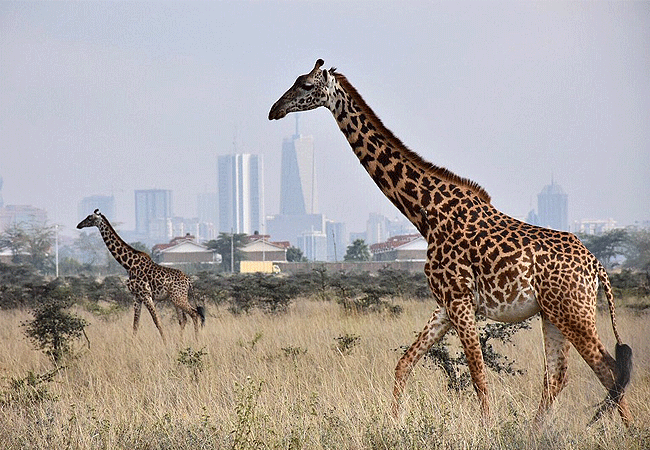
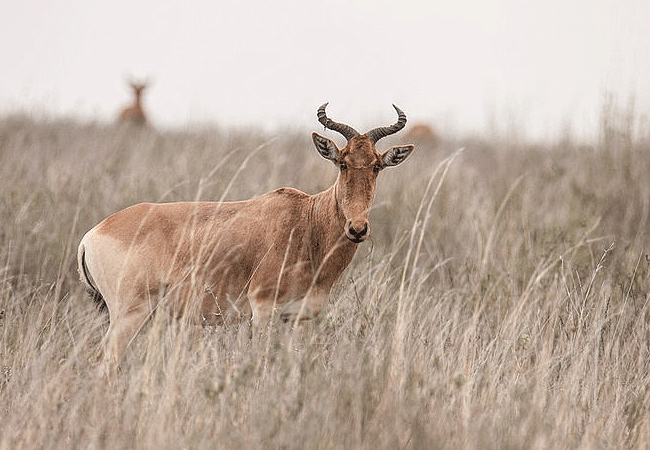
Four of the big 5 animals are part of the main attractions in Nairobi National Park. Other animals include Species found in the park including giraffes, hippopotamus, spotted hyenas, blue wildebeest, plains zebra, cheetah, Thomson’s gazelle, Grant’s gazelle, common eland, impala, hartebeest, waterbuck, common warthog, olive baboon, black-backed jackal, and Nile crocodile.
Notable Reptiles that can be seen include; Monitor Lizard, Crocodile, Agama Lizard, Jackson’s Chameleon, Rock Python, Puff Adder, Sand Snake, Leopard Tortoise, and Serrated Hinged Terrapin.
Nairobi National Park has more than 520 bird species recorded, making it an astounding destination for day birding tours. Notable Birds include the Maasai Ostrich, African Darter, African Finfoot, Dwarf Bittern, Goliath Heron, Saddle-billed Stork, Spur-winged Goose, African Crowned Eagle, Secretarybird, and African Fish Eagle.
Others include Ruppell’s Griffon Vulture, Black-chested Snake-Eagle, Gabar Goshawk, Augur Buzzard, Tawny Eagle., Bateleur Eagle, and Grey-crowned Crane, Kori Bustard, White-bellied Bustard, Hartlaub’s Bustard, Bronze-winged Courser, and African Skimmer.
Nairobi National Park is a rhino sanctuary with 76 indigenous black rhinos and 13 white rhinos making it home to the highest number of black Rhinos in Kenya. It is the only park in Kenya with no elephants. They were moved from Nairobi National Park to reduce the Human-wildlife conflict.
The Nairobi National Park is home to the Sheldrick Elephant orphanage which is home to many sick and injured animals that are brought here for care, rehabilitation, or surgery. A visit to this orphanage will teach you about the lives of the animals and how they are rehabilitated.
Nairobi National Park Activities
Game Viewing
Game viewing in Nairobi National Park offers a unique experience due to its proximity to Kenya’s capital city. Just 10 kilometers from Nairobi’s bustling center, visitors can quickly transition from urban life to the natural wilderness.
The park, though relatively small at 117 square kilometers, is rich in wildlife, offering a chance to see four of the Big Five: lions, leopards, buffaloes, and the endangered black rhino. The park’s rhino sanctuary is particularly notable for its success in conserving these majestic creatures.
The park’s landscape consists of open grasslands, acacia bushlands, and wooded valleys, providing diverse habitats that support a wide variety of wildlife. Game drives are the most popular way to explore, with options for morning, afternoon, and even night drives.
Morning game drives (6:00 AM – 9:00 AM) are ideal for witnessing predators like lions winding down after a night of hunting, while afternoon drives (3:00 PM – 6:00 PM) offer better lighting for photography and views of herbivores like giraffes, zebras, and wildebeest. Click on the following link to view our Nairobi National Park tour: Nairobi National Park Day Tour
Night game drives are rare but allow visitors to observe nocturnal species such as hyenas and elusive leopards. You can book a Nairobi National Park Night game drive on the following link: Nairobi National Park Sunset & Night Game Drive Tour
The park also boasts over 520 bird species, making it a paradise for bird watchers. Migratory birds add to the spectacle during certain times of the year. Notable Birds include the Maasai Ostrich, African Darter, African Finfoot, Dwarf Bittern, Goliath Heron, Saddle-billed Stork, Spur-winged Goose, African Crowned Eagle, Secretarybird, and African Fish Eagle. Another highlight is the Nairobi skyline, visible from many points in the park, offering a surreal backdrop to the wildlife experience.
Rhino Tracking
Rhino tracking in Nairobi National Park offers an exciting and educational experience, providing visitors with the rare opportunity to observe black rhinos in their natural habitat. As part of Kenya’s conservation efforts, the park, known as “Kifaru Ark,” boasts a robust population of over 76 black rhinos, making it one of the best places to see these endangered animals close to a major city.
Tracking rhinos typically begins in the early morning or late afternoon when the rhinos are most active. Led by experienced rangers, the activity often involves game drives through the park to locate the rhinos and then proceeding on foot for a closer look.
Rhino tracking is not only about wildlife viewing but also contributes to conservation efforts, as visitors support the park’s initiatives to protect and monitor the rhino population. The rangers play a crucial role in educating participants about the rhino’s behavior, habitat, and the challenges of rhino poaching.
Nairobi National Park’s unique setting, with the city skyline visible in the background, adds to the surreal experience of watching rhinos roam in the wild. The park’s commitment to rhino conservation has been critical in boosting the population of this endangered species, particularly the black rhino, which faces significant threats from poaching.
The park offers a stark contrast between urban development and wildlife conservation, making it an ideal destination for travelers interested in wildlife and the intricacies of conservation efforts in urbanized regions.
While rhino tracking is a thrilling adventure, it also underscores the importance of ongoing conservation work. Visitors gain insight into how anti-poaching measures and protected habitats help safeguard the future of these majestic animals. This blend of adventure and education makes rhino tracking in Nairobi National Park a must-do activity for wildlife enthusiasts.
Bird Watching
Bird watching in Nairobi National Park is a rewarding experience, with over 520 bird species recorded in the park. As a unique wildlife area located near a bustling urban center, the park offers birding enthusiasts the opportunity to observe a diverse array of birdlife within a relatively small area. The park’s landscape, which includes open savannah, forested areas, and wetlands, provides different habitats that attract both resident and migratory birds.
Among the notable species are the Jackson’s widowbird, which breeds in the grasslands after good rains, and the rare Madagascar pond-heron. The park is also a prime location to spot globally threatened species such as the shoebill stork, lesser kestrel, and Basra reed warbler. The region is part of the Somali-Masai and African Highlands biomes, featuring species such as the red-throated tit and the threatened martial eagle.
Migratory birds from Europe and North Africa flock to the park between November and April, making this the best time for birding. During this period, you may witness large numbers of lesser falcons, with more than 5,000 individuals sometimes present.
Other birds commonly seen include the superb starling, lilac-breasted roller, grey-crowned crane, and African quail-finch. Water birds, such as the saddle-billed stork and yellow-billed oxpecker, can also be spotted around the park’s rivers and wetlands.
Bush Dinners & Sundowners
Bush dinners and sundowners in Nairobi National Park offer a unique and memorable experience, combining fine dining with the stunning backdrop of African wilderness. These activities allow visitors to enjoy the beauty of the park in a more intimate and tranquil setting, away from the typical daytime safari excursions.
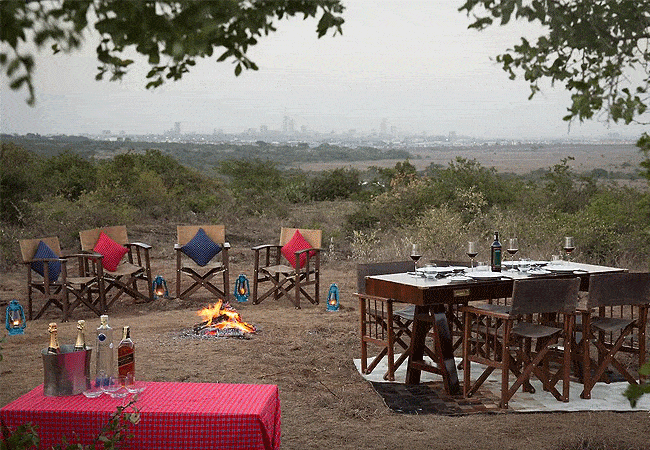
The bush dinner is typically presented with tables, safari chairs, a ‘bush bar’, and a ‘bush kitchen,’ where a broad range of meats, poultry, fish, and vegetables are cooked on-site (supplemented by fresh soups, salads, and desserts).
Sundowners, on the other hand, are a more relaxed affair that involves enjoying drinks as the sun sets over the savannah. This activity typically takes place after an afternoon game drive, offering guests a chance to unwind and take in the breathtaking views of the park as the sky changes color.
Drinks such as wine, cocktails, or local brews are served at a scenic spot, with the Nairobi skyline visible in the distance or against the backdrop of the park’s rolling plains. The combination of the setting sun, the peacefulness of the wilderness, and the distant sounds of wildlife create a serene and memorable experience.
Click on the following link to book a Nairobi National Park Game Drive & Bush Dinner Tour
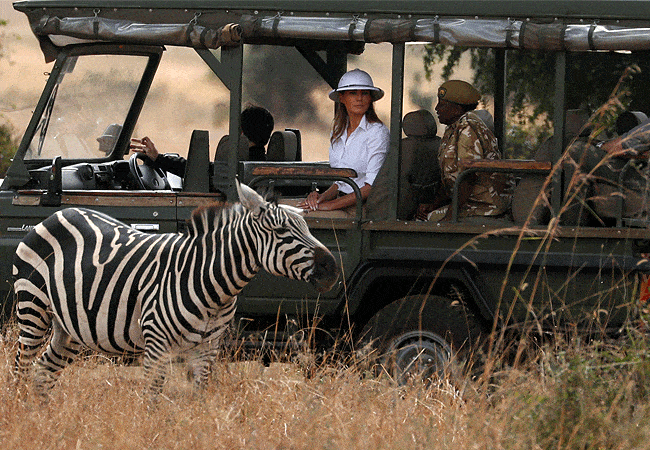
Nairobi Animal Orphanage | Nairobi Education Centre
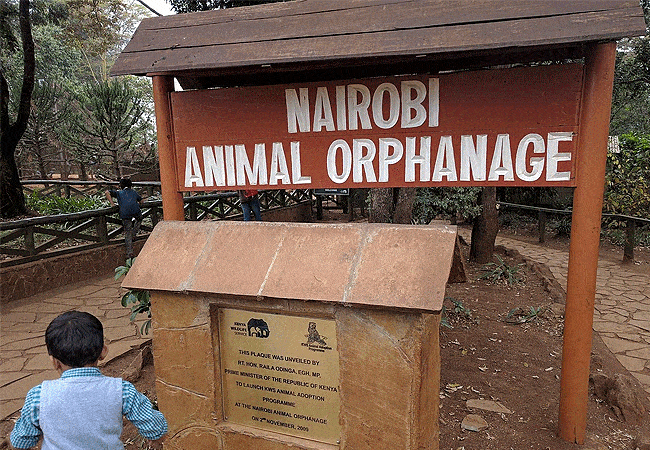
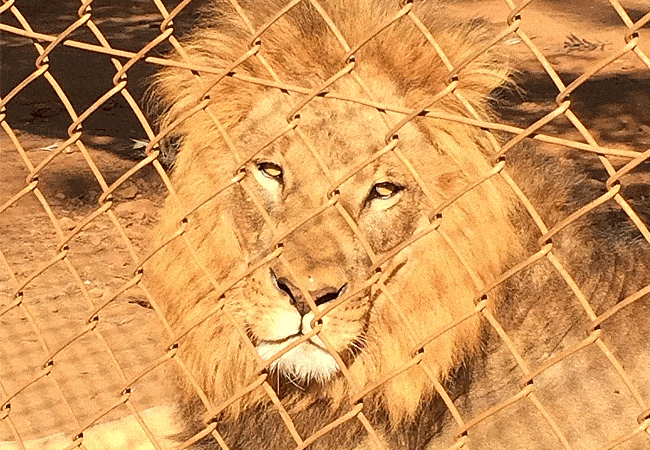
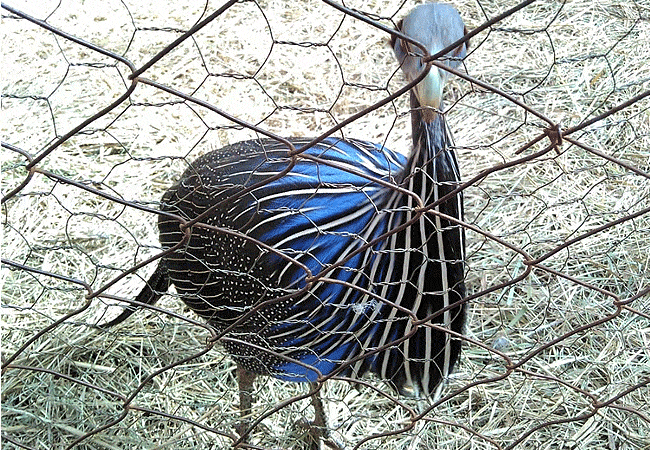
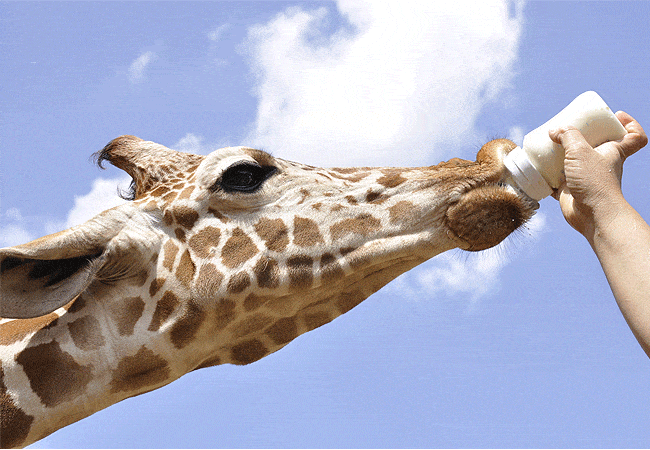
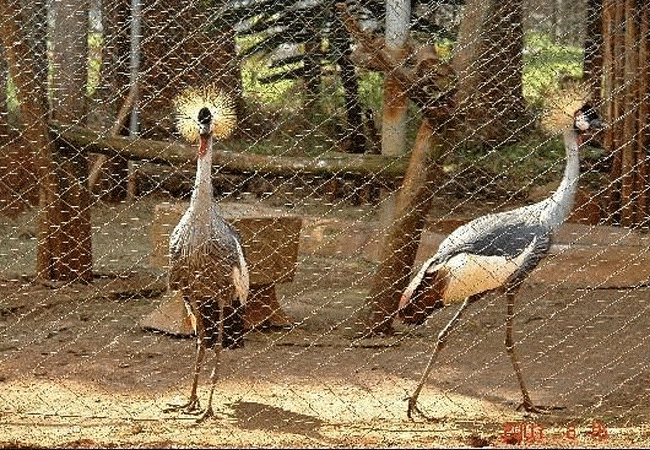
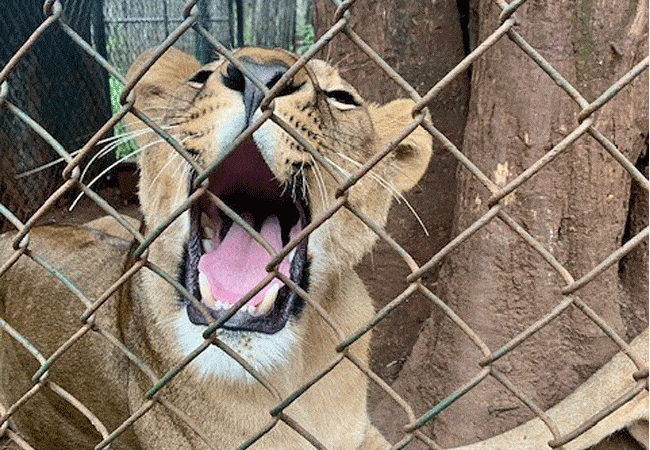
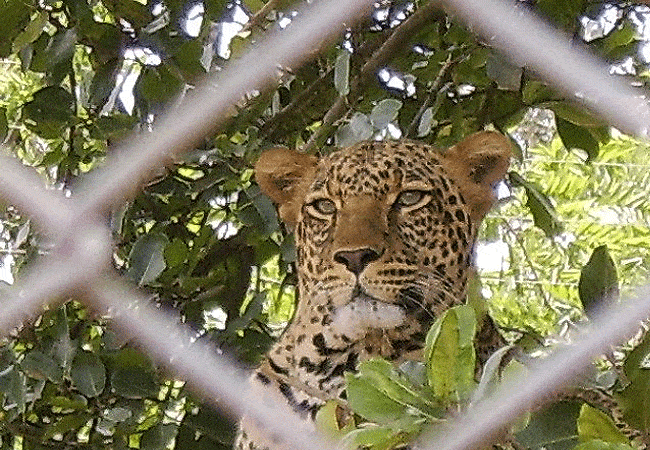
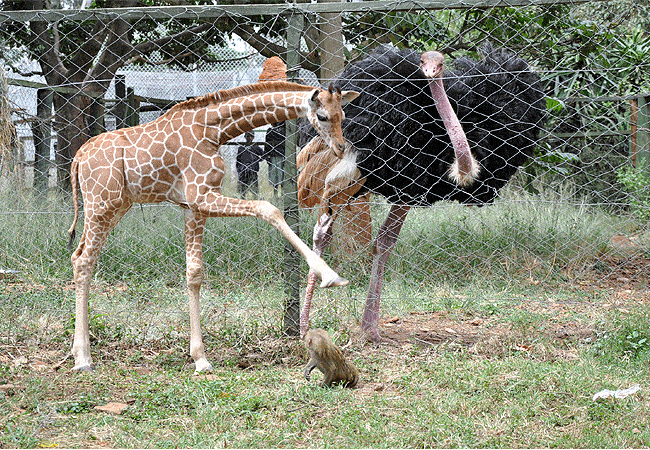
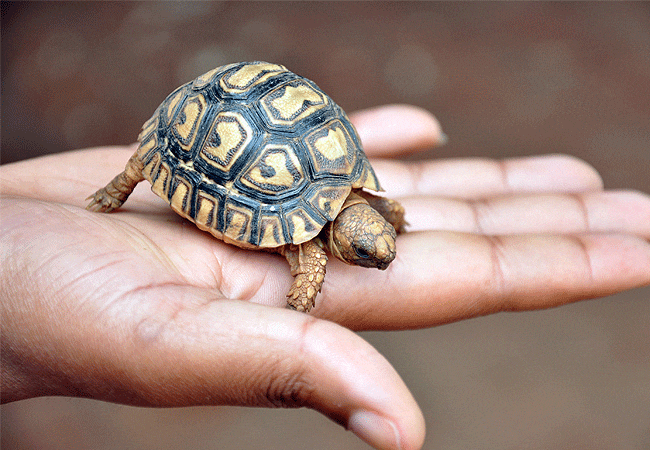
The Nairobi Animal Orphanage is a refuge for wild animals located in Nairobi National Park. The Animal Orphanage is just 20 minutes (10km) from the center of Nairobi and is situated near the Kenya Wildlife Service, along Langata Road. The Nairobi Animal Orphanage is open daily from 8 am to 6 pm (seven days a week). It serves as a treatment and rehabilitation center for wild animals.
There are more than 20 animal and bird species, including lions, cheetahs, hyenas, jackals, serval cats, rare Sokoke cats, warthogs, leopards, various monkeys, baboons, and buffalo. Various birds can also be viewed, including parrots, guinea fowls, crowned cranes, and ostriches.
Observing animals at the orphanage is different and less majestic than spotting them roaming in the wild under healthy conditions. However, the experience of visiting Nairobi Animal Orphanage is one of a kind. It is exciting to interact up close with wildlife and to know that these animals are survivors.
While being there, you don’t need a guide. All animals’ cages are labeled with information for you, from the smallest bird to lions. The label mentions their stories, how they were rescued, where they came from, who cared for them in the orphanage, and, lastly, whether they were injured and abandoned.
Nairobi Safari Walk (boardwalk with uninterrupted views of the Animals)
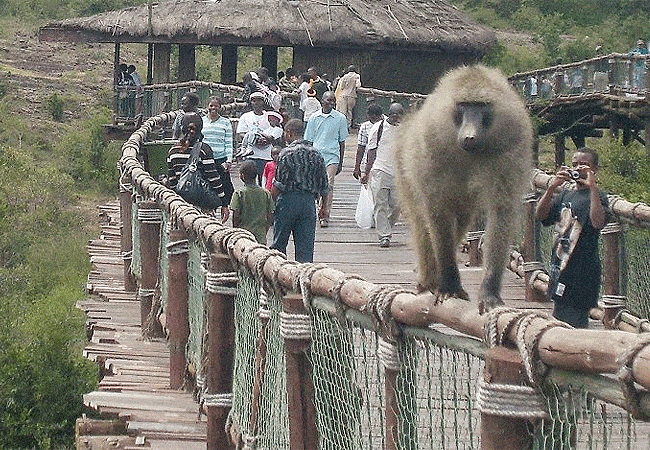
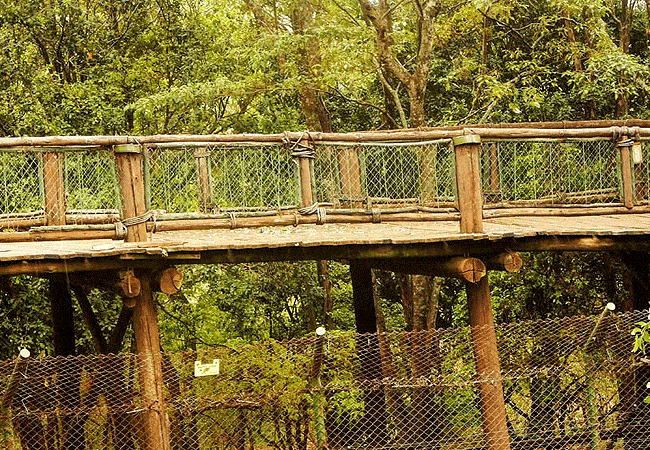
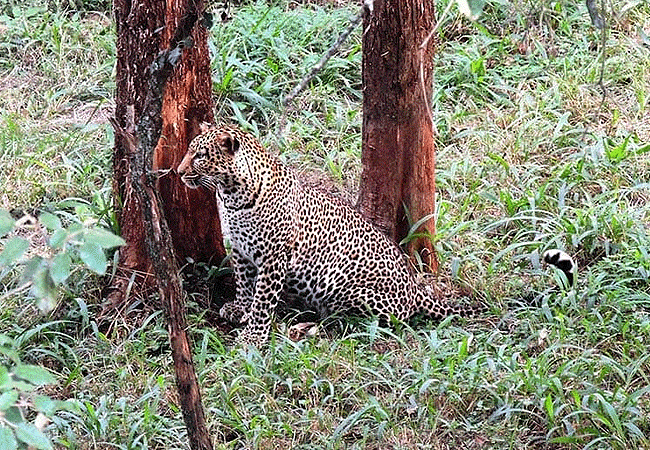
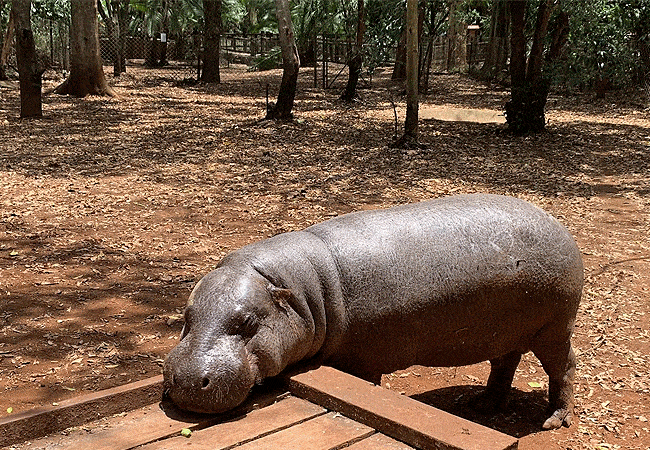
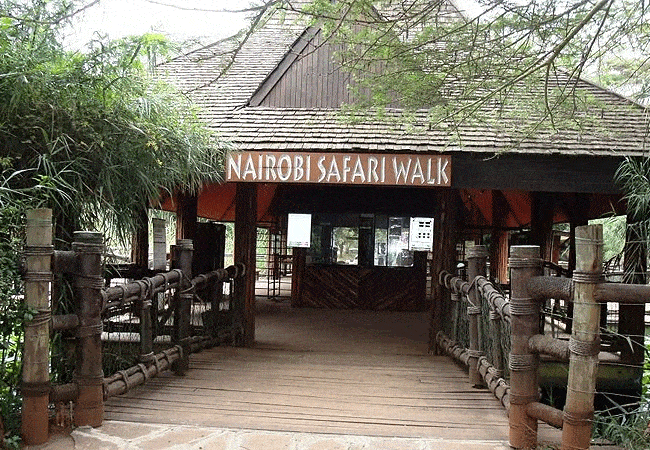
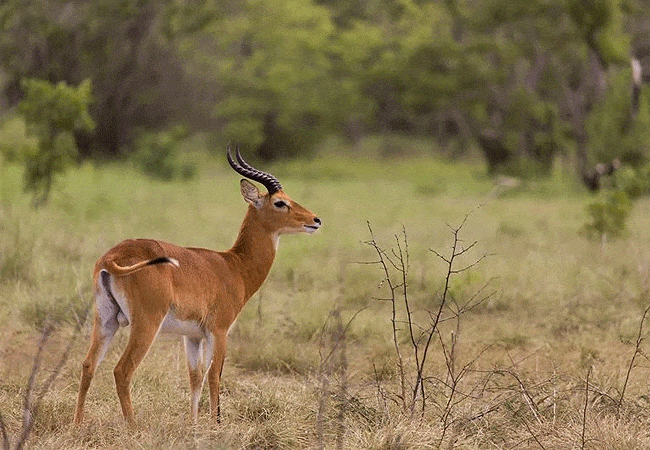
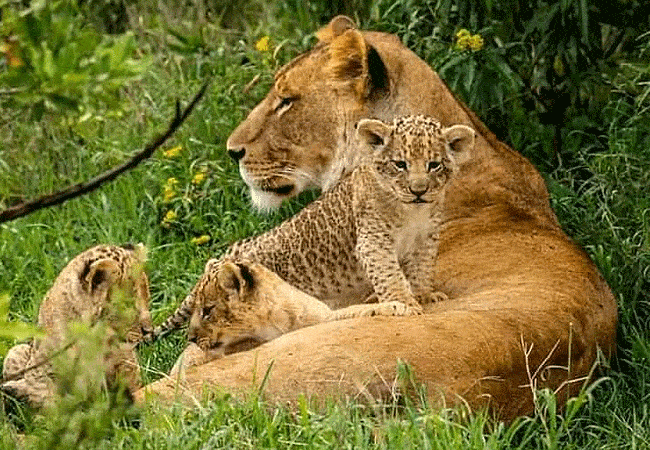
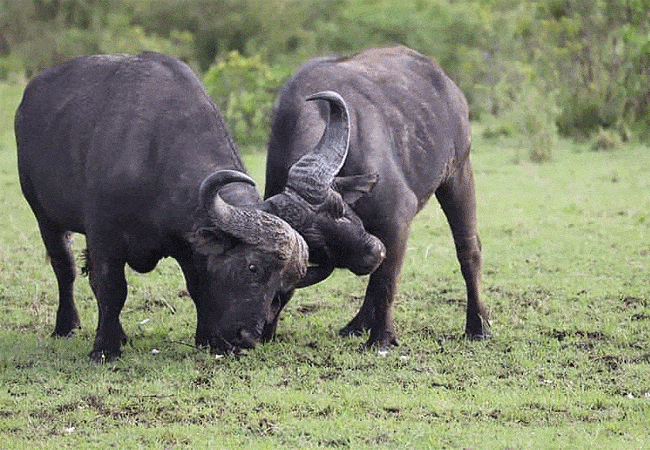
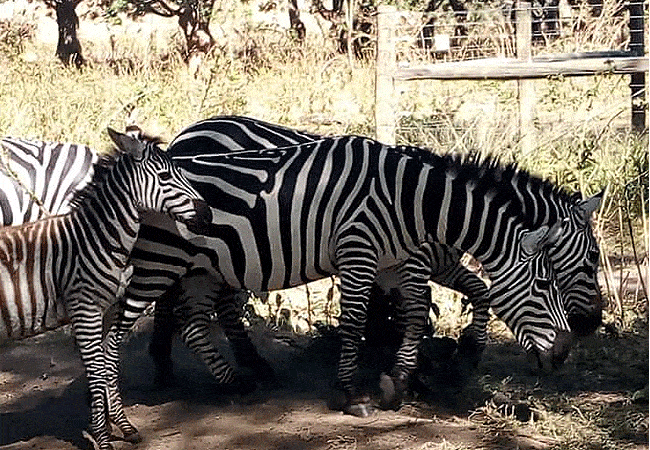
The Nairobi Safari Walk offers a raised wooden boardwalk that provides uninterrupted views of the animals and showcases Kenya’s National Parks and reserves, allowing visitors to discover what to expect to see across the country while on safari.
Nairobi Safari Walk is about 7 km from the city centre and is easily accessible on tarmac roads. Located off Lang’ata Road, the Kenya Wildlife Service head office. It opens from 9:00 am to 5:30 pm. Available activities include bird watching, walking, photographing, and game viewing. The safari Walk has 3 distinct ecosystems: wetland, savannah, and forest.
The first ecosystem you encounter when you enter the Nairobi Safari Walk is a Wetland covered in water lilies and fringed with papyrus. This is also home to grazing pigmy hippos and lazing crocodiles.
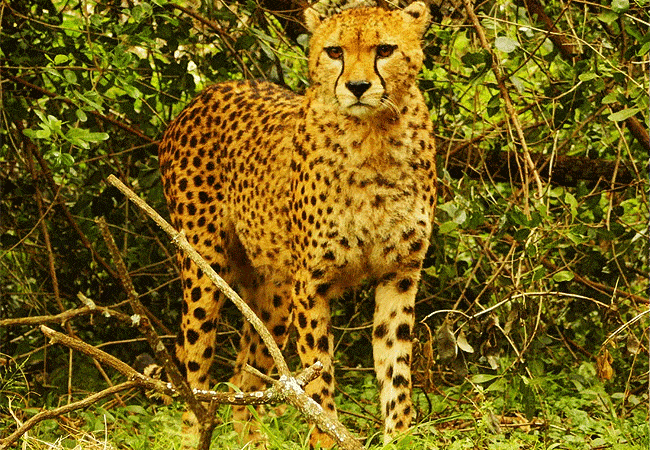
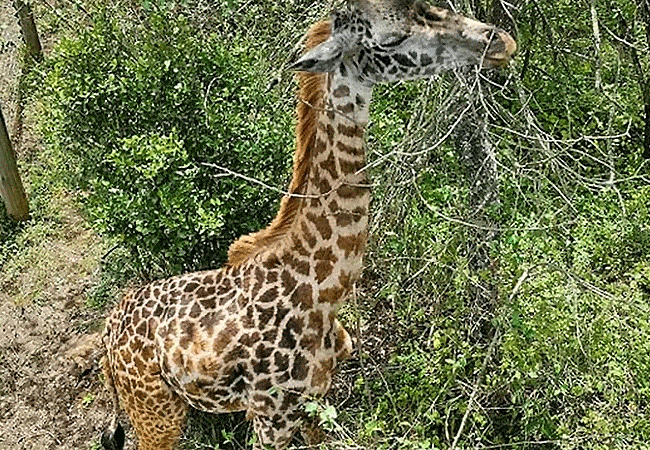
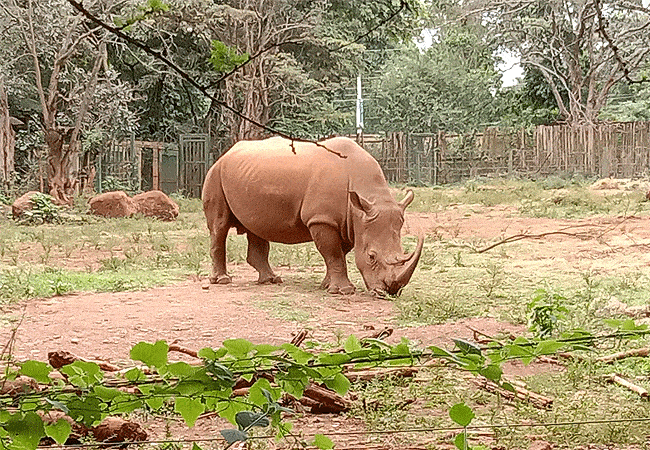
The next habitat in line is the Savannah environment, which plays host to an albino Zebra in a herd of its regular species, Antelopes, Giraffes, Hyenas, the rare Bongo, White Rhinos, Leopards, Cheetahs, and Lions.
Raised boardwalks meander through the different enclosures, with signboards along the way providing useful information on the species of plants and animals found there. Strategically located viewpoints near the enclosures offer a close-up look at the occupants as they go about their daily lives.
A nature trail through a Woodland, the last of the three habitats in the Nairobi Safari Walk, showcases some of Kenya’s indigenous plants, with signposts along the trail describing their traditional uses. Benches at various locations along the trail provide resting places for anyone who wishes to take a moment to enjoy the forest’s sights and sounds.
The Nairobi safari walk hosts a diverse array of animals, including Zebras, Antelopes, Primates, Rare Bongos, White Rhinos, Albino Zebras, Cheetahs, Leopards, Lions, Tigers, sea creatures, and birds of every kind. It is also home to some 150 species of local trees.
David & Daphne Sheldrick Wildlife Trust | Haven for Elephants & Rhinos
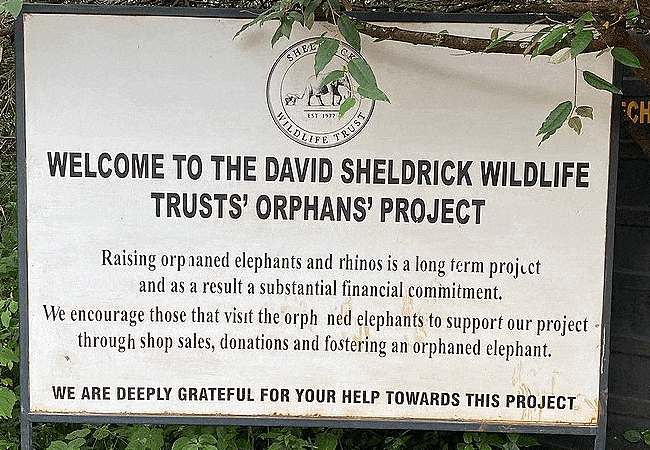
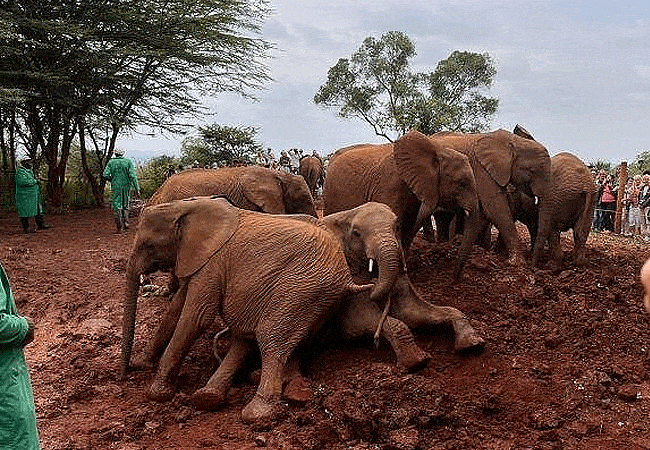
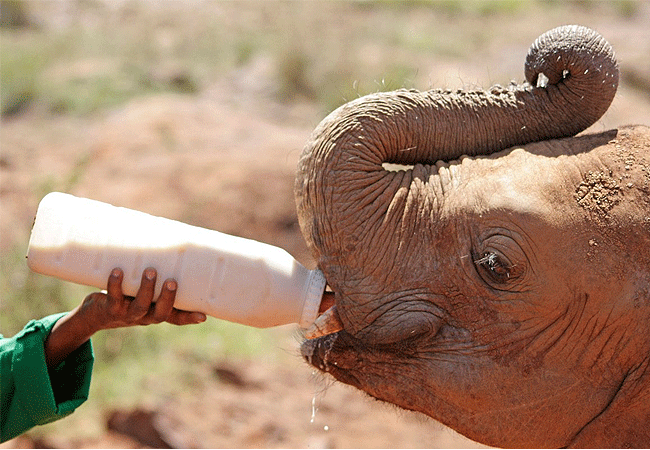
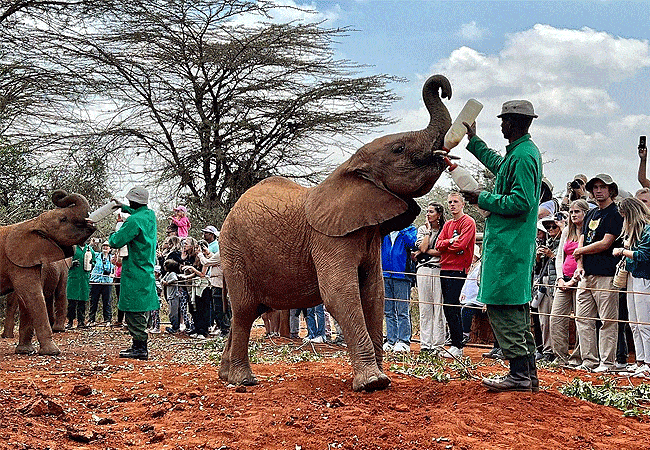
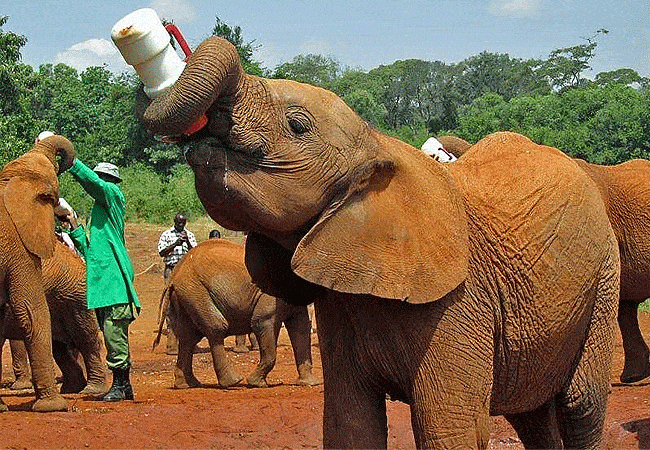
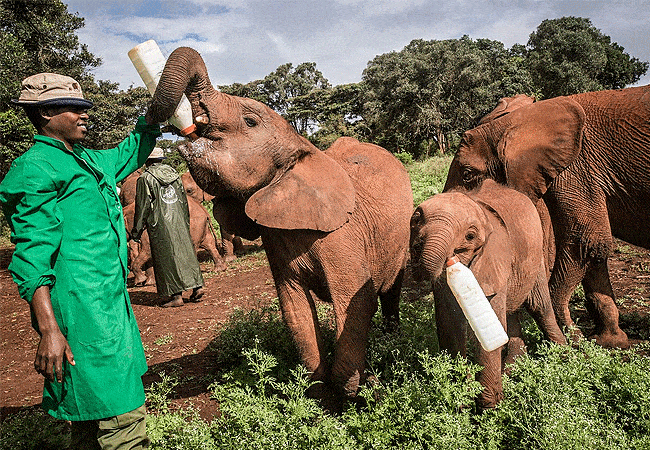
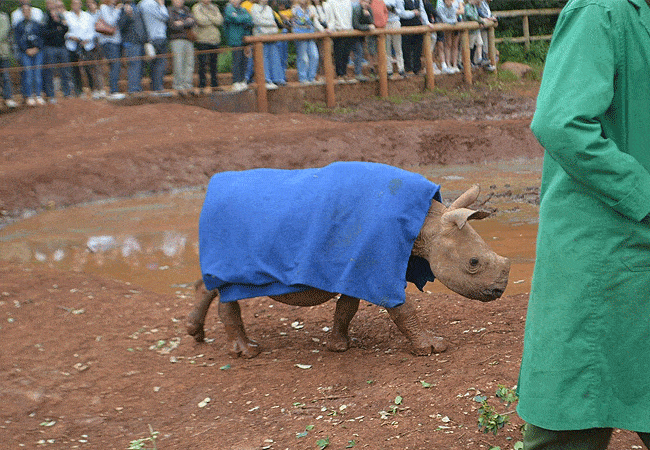
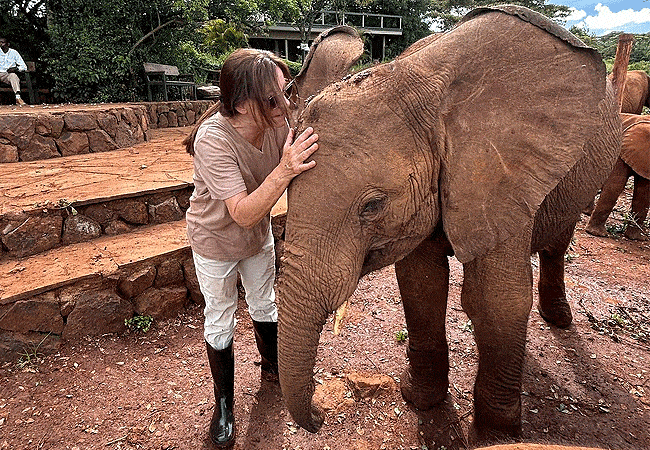
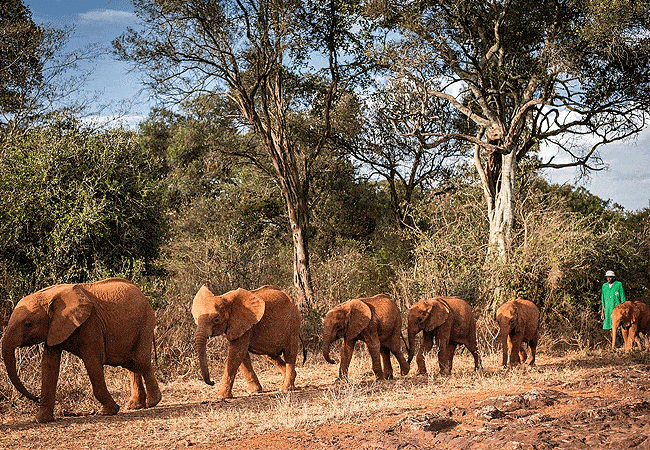
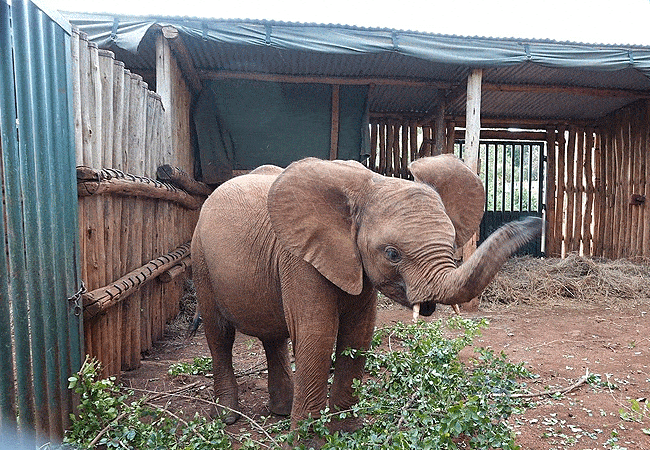
The Nairobi National Park is home to the David Sheldrick Trust Animal Orphanage which hand-rears and re-releases orphaned elephant and rhino calves. The Elephant Orphanage Nursery offers a safe haven to orphaned baby elephants that are rescued from parks and reserves in Kenya.
The orphanage is located within Nairobi National Park about 17 km from the city center. The orphanage rescues baby elephants that have been orphaned due to poaching, drought, human/ animal conflict, etc, and raises them until they can be released into the wild.
Over 100 elephants, found as orphans and raised by the trust, are now living wild lives in Tsavo National Park in Kenya. The age range of the elephants can vary from a few months to three years. Each elephant is assigned to its own keeper, who acts as a surrogate mother and will stay with the elephant until it is released back into the wild in Tsavo East National Park.
The orphanage also has three reintegration units located in the Greater Tsavo Conservation Area, Ithumba, and Umani Springs in the Kibwezi Forest. Daphne Sheldrick Elephant Orphanage nursery is open to the public daily between 11:00 am to 12:00 pm. You can visit the baby elephants from 5:00 pm (by appointment) when they return to the stockades for the night.
Elephant orphanage entrance fee: 500 Kenyan shillings per person (about 7 US Dollars).
Nairobi National Park Accommodation & Picnic Sites
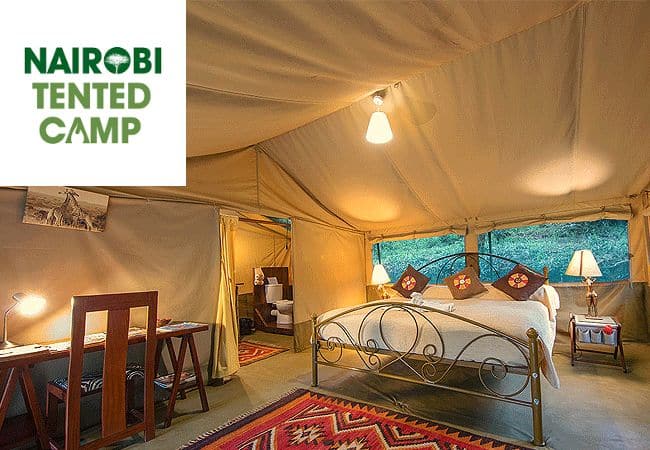
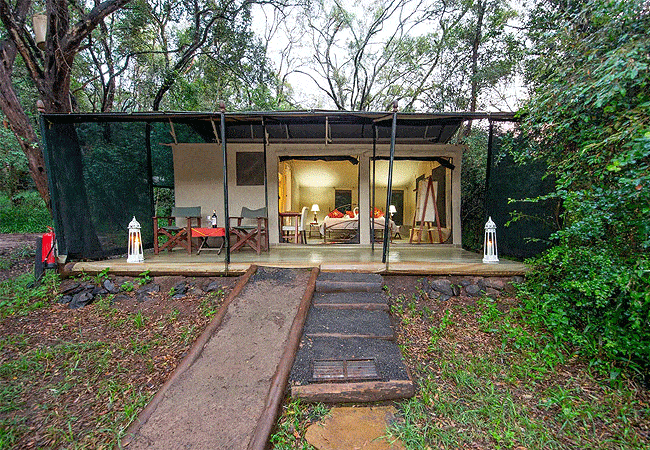
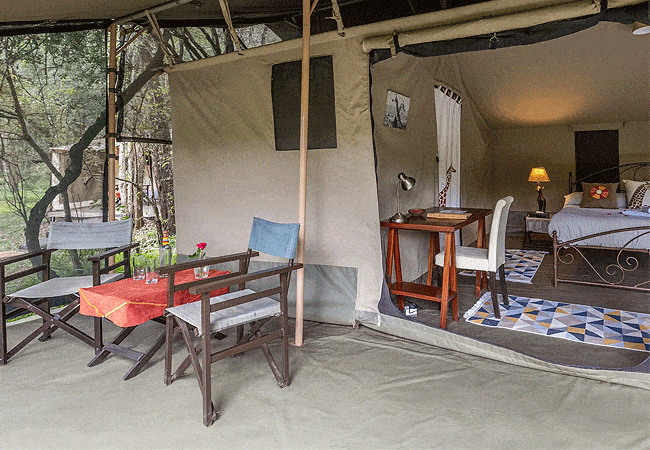
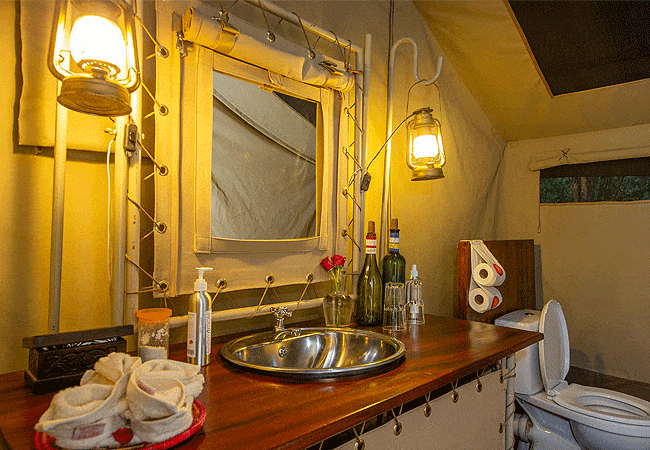
Nairobi Tented Camp is a luxury tented accommodation located in the heart of Nairobi National Park. It is the first and only camp in the Nairobi National Park. Nairobi National Park is a unique ecosystem by being the only protected area in the world close to a capital city.
Deep within the riverine forest minutes from Jomo Kenyatta Airport, Wilson Airport, and only 7 km from Nairobi city center. The camp is the first accommodation of any sort to be allowed in this unique safari destination.
Other hotels near Nairobi National Park include Ololo Safari Lodge, Nyati Hill Cottages, Osoita Lodge, Masai Lodge, The Last Village Lodge, The Emakoko Lodge, Twiga Campsite, and the Tamarind Tree Hotel.
Nairobi National Park Picnic Sites
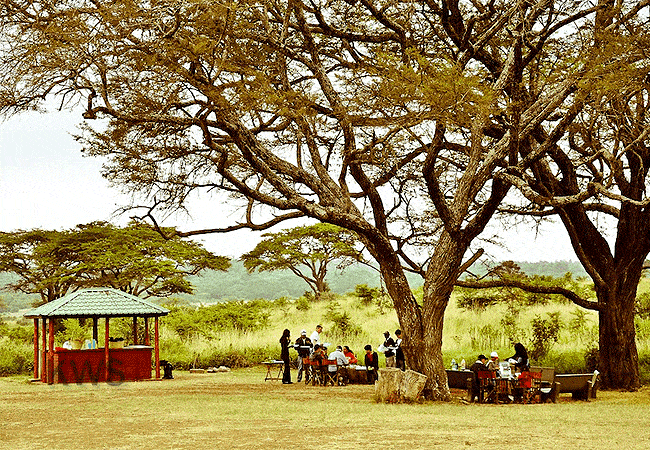
Nairobi National Park has several picnic sites where you can stop and break while on a game drive. These include;
Kingfisher Picnic Site (Junction 27C )
A cool, green-shaded area with picnic tables, this is an ideal site for early morning bush breakfasts, lunchtime relaxation, or evening sundowners.
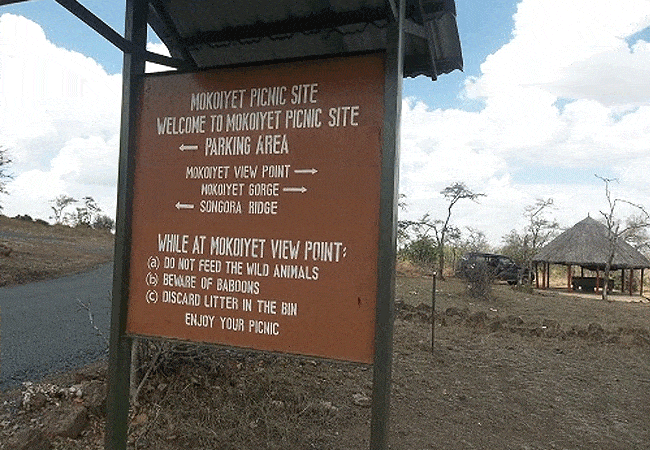
Mokoyeti Picnic Site (Junction 14B)
An open cliff-top site with thatch-roof shaded picnic tables, latrines, and extensive parking, this is an ideal site for family picnics at any time of the day.
The Ivory Burning Site (Junction 1A)
Immediately inside the main gate, this area marks the spot where, in 1989, former president, Daniel Arap Moi, set fire to 12 tons of stockpiled ivory then worth over USD$ 1 million in a bid to eliminate the mass slaughter of Africa’s elephants. An important icon of wildlife protection, this popular picnic offers a broad area of open grass, picnic tables, shade, and latrines.
Leopard Cliff Observation Point (junction 15)
A simple clearing reached by a minor diversion from the main road that leads through the Park to Cheetah Gate, this observation point offers fine panoramas of African wildlife as well as a small lookout with vistas into the rocky gorge below. Note: there are no picnic benches, shaded areas, or latrines at this site.
Impala Observation Point and picnic site (Junction 23B)
High on a hill minutes from the main gate, this site offers a stone-built rondavel with panoramic views and a picnic area (with shaded picnic benches and latrines). It is also an excellent spot from which to scan the park for safari wildlife.
The Hippo Pools and Nature Trail (Junction 12)
In the east of the Park, amid the meandering coils of the Athi River, lie the hippo pools, an important site for wildlife conservation. Here groups of hippos wallow in the river, emerging to graze the riverbanks at night.
Terrapin and Nile crocodiles bask on the exposed mud banks and the surrounding woodland features vervet monkey and Defassa waterbuck. Immediately adjacent to the hippo pools is a spacious shaded picnic area with running water, latrines, and a shaded rondavel picnic site.
Shaded benches also punctuate the short self-guided nature trail, which is permanently patrolled by KWS rangers and leads out of the picnic area to follow a 1km (20 minute) circuit along the river. Note visitors must vacate the hippo pool area by 5.15 pm.
Booking & Reservations Nairobi National Park Contact
Mobile: +254-721-242-711
WhatsApp: +254-721-242-711
Reservations: +254 718-179-967
Email:
Website: https://africanspicesafaris.com