
Aberdare National Park | Central Kenya's highlands, about 180 km from Nairobi
Aberdare National Park is a protected area located about 160 km north of Nairobi in Kenya’s central highlands. Established in May 1950, the park covers 766 square kilometers and ranges in altitude from 2,100 to 4,300 meters above sea level.
The park’s diverse ecosystems include moorlands, bamboo forests, and rainforests at lower elevations, creating a unique habitat for wildlife, including the iconic Big Five—African elephants, black rhinos, leopards, spotted hyenas, and Cape buffalo.
In addition to these species, visitors may encounter a variety of other animals, including olive baboons, common zebras, bushbucks, and reedbucks. Rare sightings include the giant forest hog, bongo, golden cat, serval cat, African wildcat, African civet, and blue duiker.
The park is also renowned for its birdlife, with about 290 recorded species, including the critically endangered Aberdare cisticola and the regionally endemic Jackson’s francolin, making it a rewarding destination for birdwatchers.
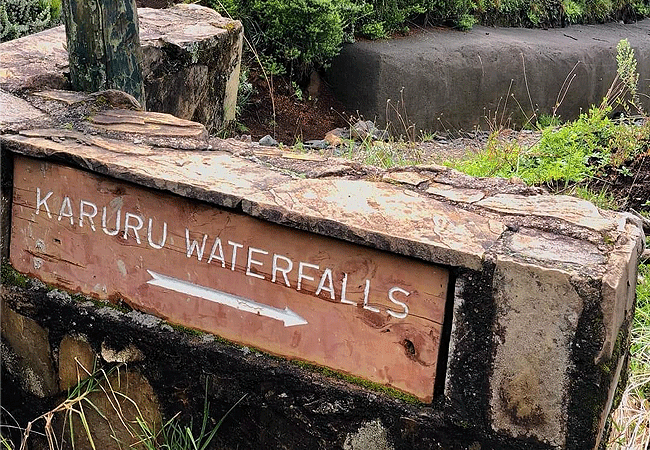
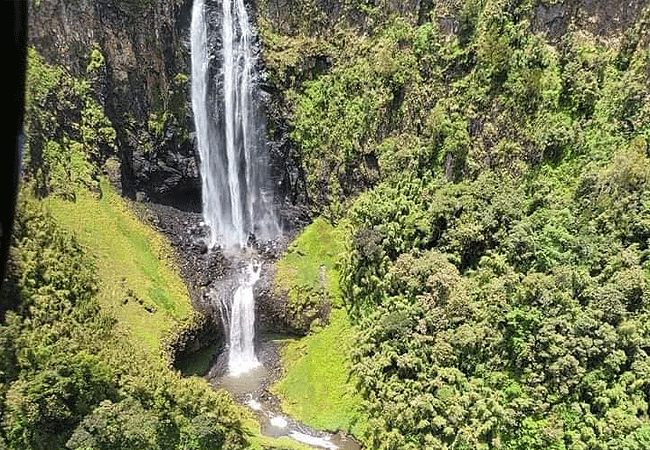
One of the park’s highlights is the magnificent Karuru Waterfalls, which cascade in three steps, totaling 273 meters in height. The park is home to two famous lodges (The Ark and Treetops), offering unique accommodations with breathtaking views and opportunities for wildlife observation.
Often referred to as ‘Scotland with lions’ due to its rugged, moorland terrain, Aberdare National Park is an exceptional wilderness escape, blending natural beauty and abundant wildlife, making it a popular destination for both adventure seekers and those looking for a peaceful retreat.
In addition to Aberdare, several other noteworthy parks are located nearby, offering even more opportunities for exploration.
✓ Ol Pejeta Conservancy, located 85 km north, is famous for its rhino conservation efforts and the variety of wildlife found on its plains.
✓ Samburu National Reserve, about 150 km north of Aberdare, offers visitors the chance to see unique species like Grevy’s zebras, reticulated giraffes, and gerenuks.
✓ Mt. Kenya National Park, approximately 70 km to the northeast, is known for its breathtaking views of Mount Kenya, Africa’s second-highest peak, and its unique alpine ecosystem.
✓ Lake Nakuru National Park, about 130 km to the west, is renowned for its flamingo-filled lake and for being a sanctuary for both black and white rhinos. Each of these nearby parks complements the Aberdare experience, enhancing the region’s appeal as a diverse and wildlife-rich destination.
What is the History of Aberdare National Park?
Aberdare National Park, originally known to the Kikuyu people as the Nyandarua Range, has a rich and layered history. The park was renamed by the first European explorer, Joseph Thomson, after Lord Aberdare, who saw it in the 1880s. Established in 1950, the park spans approximately 767 square kilometers and features Kenya’s third-highest mountain range, with peaks rising above 4,000 meters.
The park has a historical significance linked to British colonialism and Kenya’s fight for independence. During the 1950s, the dense forests of Aberdare served as a hideout for Mau Mau rebels, who used the rugged terrain to stage guerrilla warfare against British colonial forces.
This period was pivotal in Kenya’s path to independence. Notably, Aberdare National Park is also famous for being the place where Princess Elizabeth became Queen in 1952 while staying at the iconic Treetops Hotel.
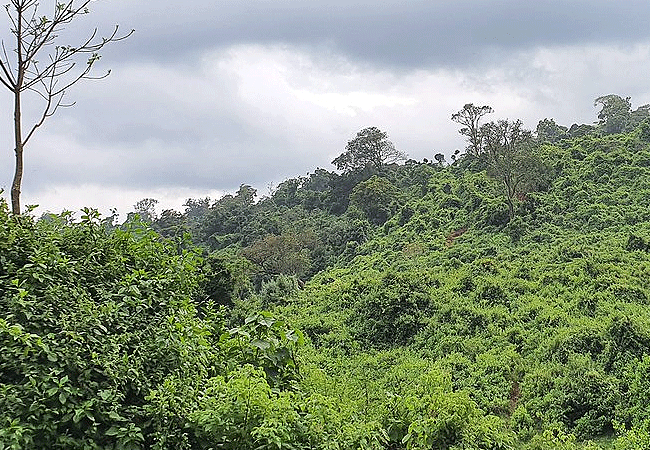
In addition to its historical relevance, Aberdare is known for its diverse ecosystems, including rainforests, bamboo groves, and open moorlands. The park is home to rare wildlife, including black rhinos, African wild dogs, and a variety of bird species. Conservation efforts, including anti-poaching patrols and community programs, have helped preserve the park’s unique biodiversity.
How do I get to Aberdare National Park?
By Road: From Nairobi, you can take two main routes. The first is the Nairobi-Nyeri route, 154 km long, which leads directly to the park. The second option is the Nairobi-Gilgil-Nyahururu route, covering a distance of 188 km.
Once you reach Nyeri, there are five entry gates to the park:
✓ Ark Gate (28 km)
✓ Treetops Gate (17 km)
✓ Wandare Gate (47 km)
✓ Kiandongoro Gate (30 km)
✓ Ruhuruini Gate (20 km from Nyeri)
If you’re coming from Nyahururu, you can enter through the Rhino gate (48 km), Shamata gate (45 km), or Mutubio gate (50 km).
By Air: You can fly to Mweiga Airstrip, located near the park’s headquarters, or to Nyeri Airstrip, which is about 12 km away from Mweiga. Both airstrips offer convenient access to the park.
The flight from Nairobi to either airstrip typically takes about 30 to 45 minutes, making it a faster alternative to the road journey. From these airstrips, it’s a short drive to the park’s gates, ensuring a smooth transition into your Aberdare National Park adventure.
When is the best time to visit Aberdare National Park?
The best time to visit Aberdare National Park is during the long dry season (July to October), but each season offers unique benefits:
Dry Season (July – October)
✓ Accessibility: Easier navigation for game drives and hikes compared to the muddy conditions of the rainy season
✓ Wildlife Viewing: Dry weather concentrates wildlife around remaining waterholes, making animals easier to spot
✓ Fewer Insects: Reduced numbers of insects, particularly mosquitoes (though repellent and prophylaxis are still advisable)
✓ Optimal Weather: Cooler temperatures ranging from 21°C to 23°C (70°F to 73°F) during the day, dropping to around 11°C (52°F) at night
Rainy Season (November – December & April – May)
✓ Scenic Beauty: The landscape transforms into a vibrant green with flowering plants, offering stunning photographic opportunities
✓ Birthing Season: Many mammals, such as antelopes, give birth during this time, allowing visitors to witness the arrival of new life
✓ Challenges: Increased water sources disperse wildlife, making sightings less predictable, and muddy conditions can hinder access
What kind of animals and birds can be viewed in Aberdare National Park?
Aberdare National Park’s unique combination of cool, misty climate and diverse habitats makes it a haven for a wide variety of wildlife, including rare and endemic species.
Rare & Iconic Mammals
✓ African Golden Cat: Known for its secretive behavior and limited range
✓ The Bongo: A giant and elusive forest antelope rarely seen elsewhere in Kenya
✓ Black Rhino: The park hosts the second-largest population in Kenya, crucial for conservation
✓ Endemic Species: Home to the Aberdare mole-shrew, Aberdare mole-rat, and the Montane viper (found only here and Mt. Kenya)
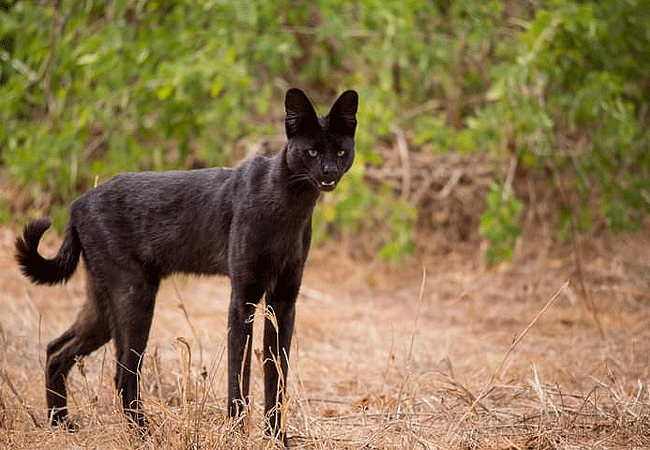
✓ Melanistic Variants: Occasional sightings of the elusive black leopard and melanistic serval cat (typically found in higher moorlands)
Common Wildlife & Predators
✓ Predators: Spotted hyena, side-striped jackal, and lion (though lions are rarely seen)
✓ Elephants: Over 2,000 elephants reside here, a significant population for a protected area
✓ Herbivores: East African wild dog, African civet, bushbuck, mountain reedbuck, waterbuck, and Cape buffalo
Birdlife
✓ Diversity: Over 250 recorded species inhabit the park
✓ Raptors: African crown eagle and various buzzards are frequently seen soaring through the glades
✓ Other Life: Sunbirds, plovers, and a teeming population of butterflies populate the moorlands and forests
✓ Highlights: The endangered Aberdare cisticola, Jackson’s spurfowl, African goshawk, and African fish eagle
What activities can be done in Aberdare National Park?
✓ Bird Watching: With over 250 recorded bird species, Aberdare National Park is a birdwatcher’s paradise. Its diverse habitats—from dense forests to open moorlands—support a variety of avian life, including the giant kingfisher and the endangered Aberdare cisticola. The cool climate and lush vegetation create ideal conditions for spotting birds year-round, rewarding those who take the time to observe.
✓ Excursions to Waterfalls: The park features stunning waterfalls, such as Gura and Karuru, which are accessible via hiking trails. These excursions offer a chance to enjoy the natural beauty of cascading water amid lush surroundings, making them popular spots for photography and relaxation. The serene atmosphere, enhanced by the sounds of rushing water and vibrant wildlife, offers a perfect escape.
✓ Hiking and Trekking: Aberdare National Park offers a variety of hiking trails, including challenging routes to the peaks of Kinangop and Ol Donyo Lesitima. For less strenuous hikes, visitors can explore trails to Elephant Hills and Table Mountain. These activities not only promote physical fitness but also allow for unique wildlife observations and appreciation of the park’s stunning landscapes.
✓ Visit the Black Rhino Sanctuary: The Aberdare Black Rhino Sanctuary is dedicated to protecting this endangered species. Visitors can learn about conservation efforts and may even spot black rhinos in their natural habitat. This experience underscores the importance of wildlife conservation and raises awareness of the challenges these remarkable animals face.
✓ Historical Excursions: Visitors can delve into Kenya’s history by exploring significant sites like the Mau Mau Caves, also known as Kimathi’s Hideout. These caves are linked to Jomo Kenyatta and the Mau Mau movement, offering insights into the country’s struggle for independence. Guided tours provide historical context, making this excursion both educational and impactful.
✓ Overnight Game Viewing: Staying overnight in tree hotels like the Ark or Treetops offers an immersive wildlife experience. Guests can enjoy stunning views and opportunities for night-time game viewing, where they can witness the park’s wildlife as it becomes active after dark. Treetops is historically significant as the site where Princess Elizabeth learned of her ascension to the throne in 1952.
✓ Fishing and Horseback Riding: Trout fishing in the park’s cold rivers and streams is popular among anglers seeking a peaceful day in nature. Additionally, horseback riding offers a unique perspective, allowing visitors to explore diverse landscapes while getting closer to the wildlife.
✓ Game Drives and Animal Sightings: Aberdare National Park is renowned for its rich wildlife, including the Big Five: elephants, buffalo, black rhinos, lions, and leopards. Guided game drives, conducted in safari vehicles, offer the best opportunities to spot these animals, along with other unique species such as the bongo antelope and black serval cat. Game drives are typically scheduled for early morning or late afternoon, when wildlife is most active.
Click on the following links below to view some of the tours we offer that visit Aberdare National Park:
✓ Aberdare National Park Day Trip Safari | Click Here
✓ 1 Day Fishing Tour Aberdare National Park | Click Here
✓ Aberdare National Park Safari 2 Days 1 Night Tour | Click Here
Are there any accommodation options in Aberdare National Park?
Yes, there are several accommodation options in Aberdare National Park, catering to a range of preferences. These include:
Treetops Lodge
Treetops Lodge is perhaps the most famous accommodation in Aberdare National Park, celebrated for its historical significance as the place where Queen Elizabeth II became queen in 1952.
The lodge is built on stilts, offering an elevated vantage point for wildlife viewing. Situated near a waterhole and salt lick, it attracts many animals, including elephants, buffalo, and antelopes, allowing guests to observe these creatures up close.
Treetops offer a unique experience, as wildlife activity can be viewed day and night from the lodge’s balconies, providing visitors with a continuous connection to the park’s vibrant ecosystem.
The Ark Lodge
The Ark Lodge is another extraordinary accommodation option within the park, styled like Noah’s Ark and deep in the forest. The lodge overlooks a large waterhole and salt lick, making it a prime spot for wildlife observation.
The Ark’s multiple decks and lounges offer guests excellent views of animals, including rhinos, leopards, and elephants. It offers nighttime viewing options, where spotlights illuminate the waterhole, allowing visitors to continue watching animals even after dark. The lodge’s secluded forest location and unique design create an intimate, immersive wilderness experience.
Fishing Lodge Aberdare
Fishing Lodge Aberdare is a tranquil self-catering guest house perfect for families or groups seeking a peaceful retreat. Located by a quiet river, it is ideal for those who enjoy fishing or simply relaxing in a serene environment.
The lodge is equipped with a kitchen and comfortable living spaces, making it easy for guests to prepare their meals and feel at home in the wild. The natural surroundings offer plenty of opportunities for nature walks, birdwatching, and unwinding in quieter parts of the park, making it an ideal choice for visitors seeking solitude.
Click on the following link to view other hotels in and near the Aberdare National Park: Nyeri – Aberdare Hotels
Aberdare National Park Entrance Fees
Aberdare National Park Entrance Fee (1st January 2026 to 31st December 2026)
|
East Africa Citizen |
Kenyan Resident |
Non-Resident |
African Citizen |
|||||
|
Adult |
Child/ |
Adult |
Child/ |
Adult |
Child/ |
Adult |
Child/ |
|
|
Aberdare National Park |
800 |
500 |
1,100 |
675 |
70 |
40 |
40 |
20 |
Notes
* International (INTL) Visitors – Refers to visitors other than EAC and the rest of Africa with a valid passport
* African Citizen – Refers to nationals of African countries other than East African countries with a valid passport
* Kenyan Citizen – Refers to Kenyan nationals by birth and registration, with a valid Identification Card and a valid passport
* Resident -Refers to persons of other nationalities residing in Kenya with valid documentation from the Kenyan government
* Daily fee is a single entry fee valid for 24 hours of continuous uninterrupted stay inside a KWS national park/ reserve/ sanctuary
* Senior Citizen – Refers to Kenyan Citizens aged 75 years and above. Senior citizens shall access all KWS parks, reserves, and sanctuaries for free
* Children -Refers to persons aged five (5) years to seventeen years (18) years. Children below the age of five (5) years shall access all KWS parks, reserves, and sanctuaries for free
* East African Community (EAC) Citizen – Refers to nationals of East African countries of Kenya, Uganda, Tanzania, Rwanda, South Sudan, Burundi, and the Democratic Republic of Congo (DRC)
* Conservation Fees – Refers to fees charged in national parks, reserves, and sanctuaries to conserve and protect natural resources, such as wildlife, habitats, and ecosystems
* Persons with Disabilities (PWD) – Refers to Kenyan Citizens who have a physical, sensory, mental, or other impairment, including any visual, hearing, learning, or physical incapability, which adversely impacts social, economic, or environmental participation. PWD access to all KWS parks and sanctuaries for free upon presentation of valid documentation from the National Council for Persons with Disabilities
* Student – Refers to an individual from a recognized secondary, government, or private college or university up to twenty-three (23) years old visiting the parks for purposes of learning about conservation through a documented and organized arrangement with that institution. It excludes students on personally arranged holidays. KWS will require a minimum of one (1) week’s notice to issue a written authorization for the student rate
Aberdare National Park Wildlife
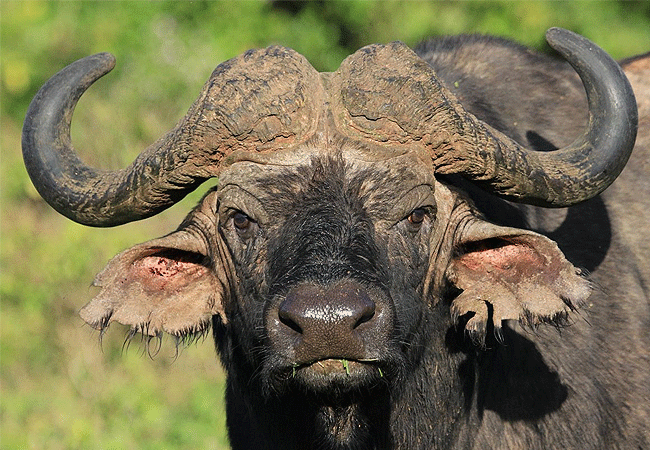
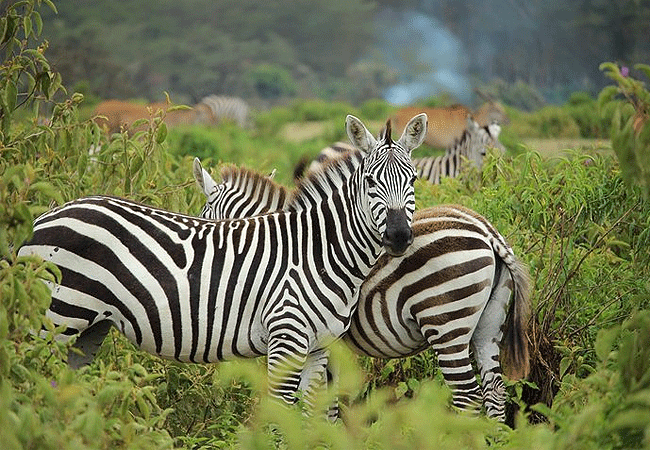
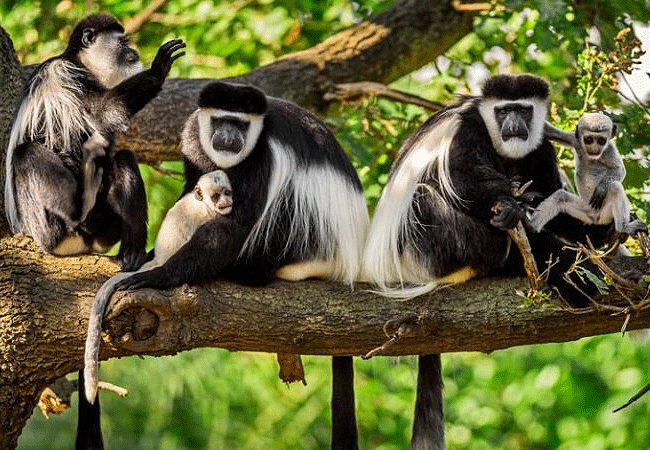
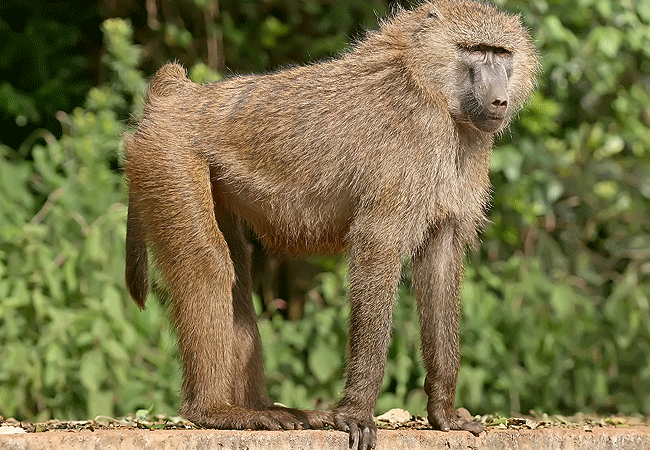
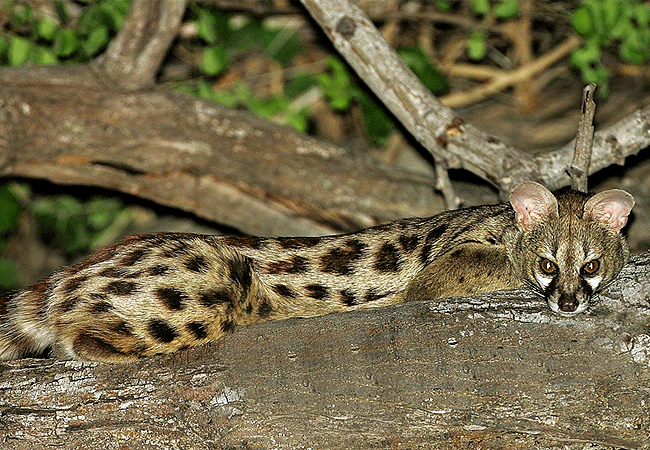
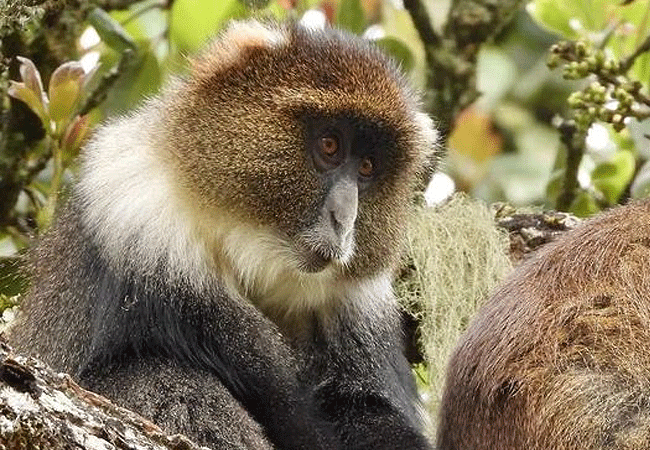
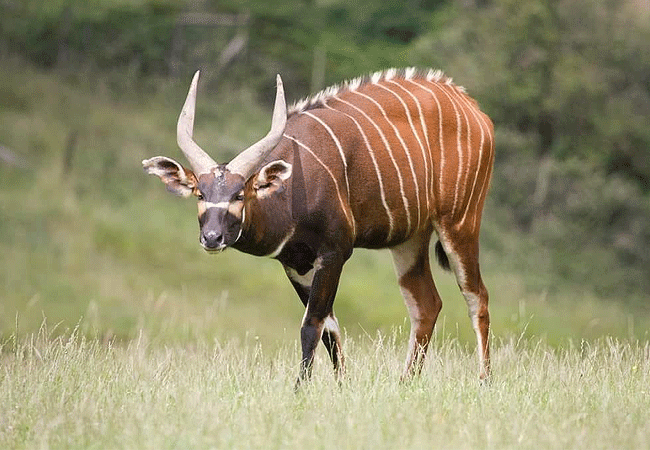
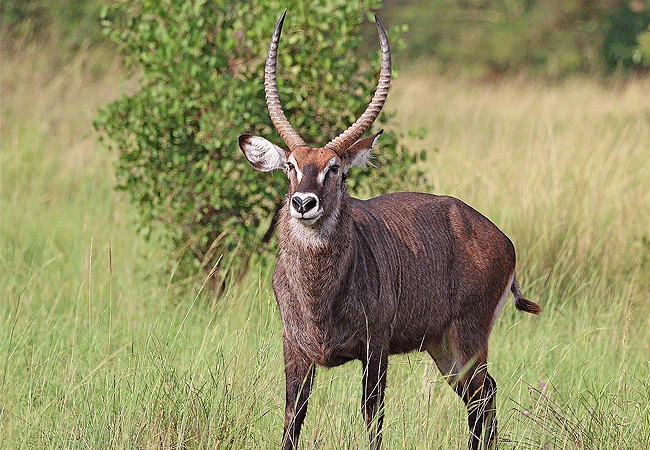
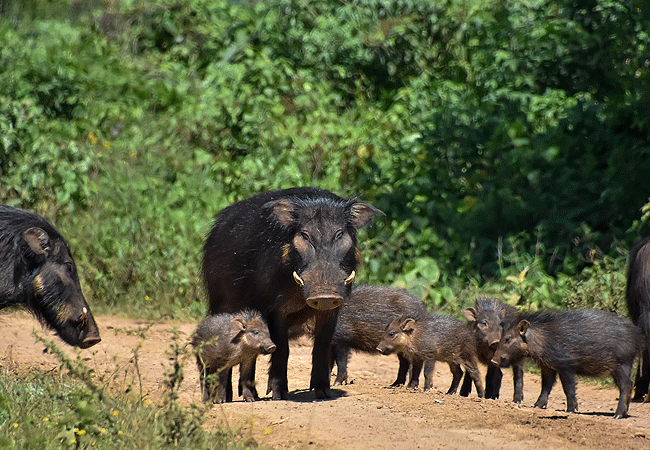
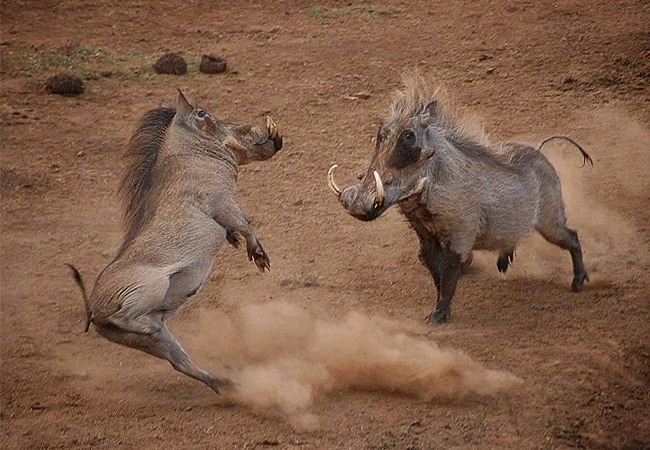
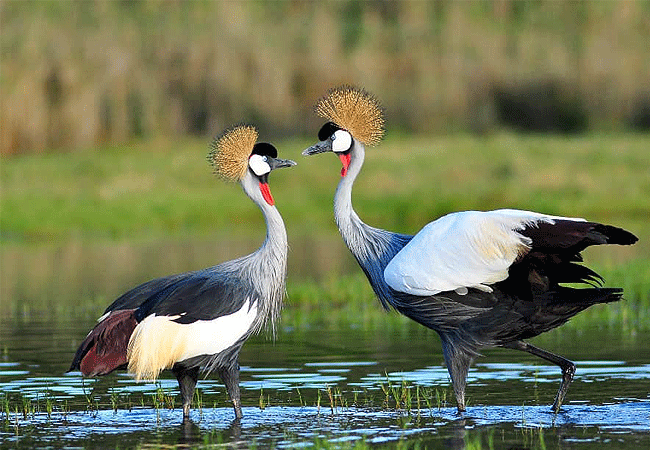
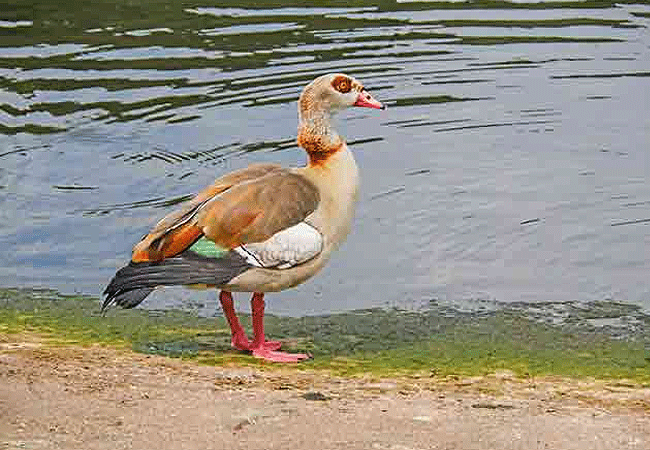
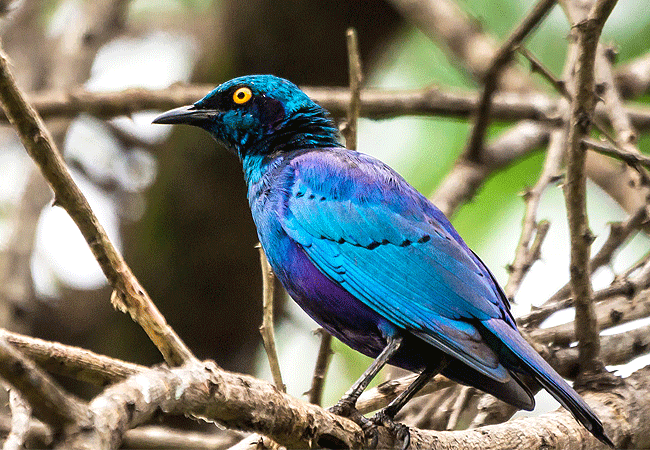
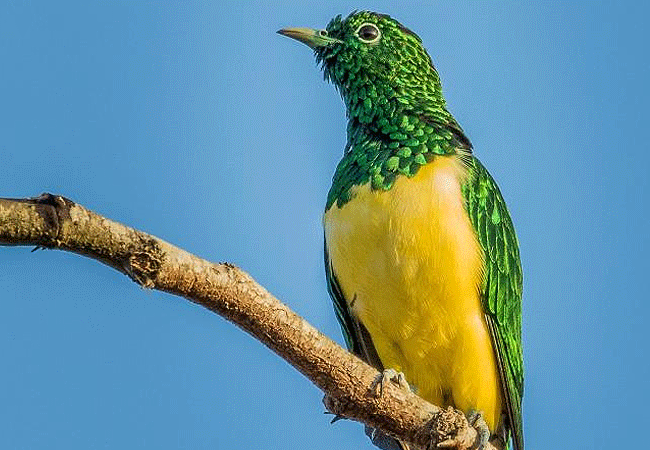
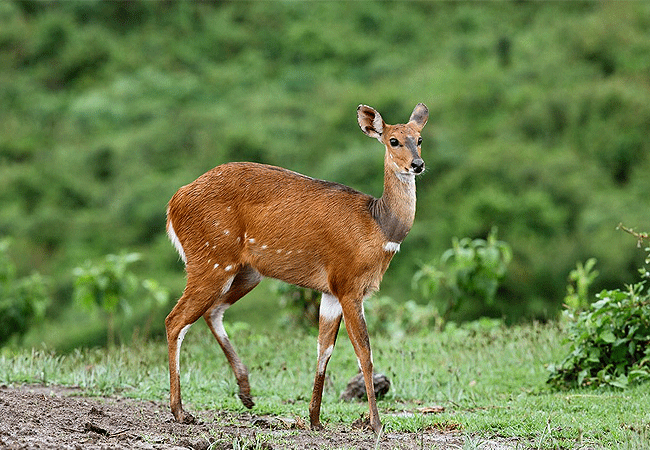
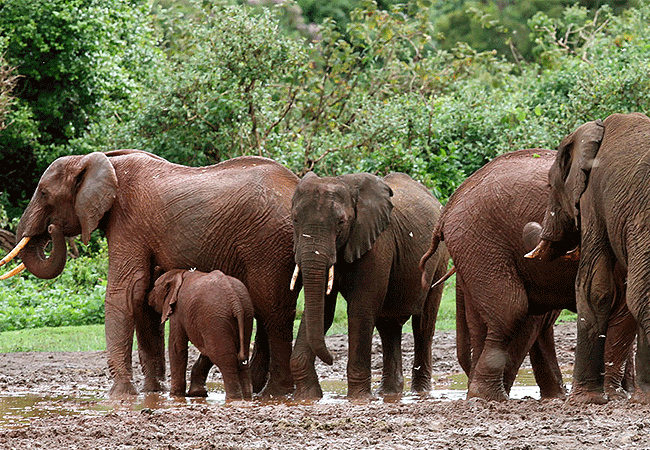
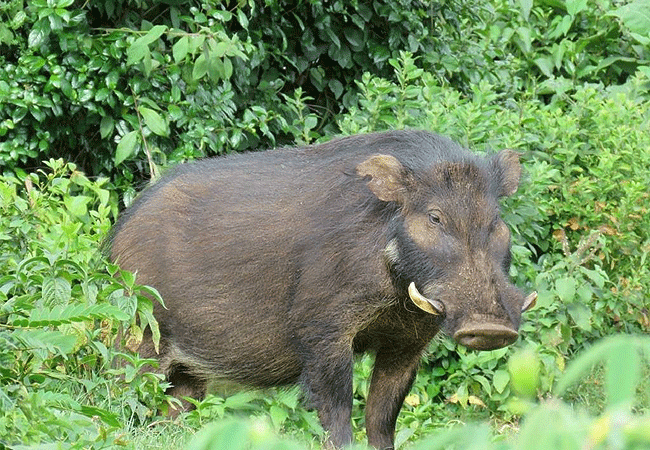
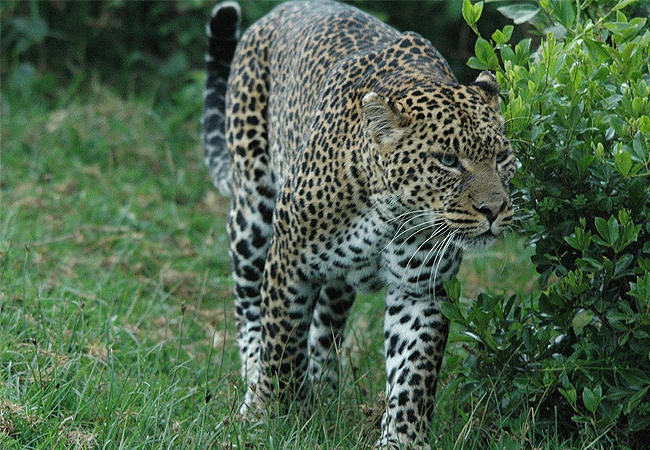
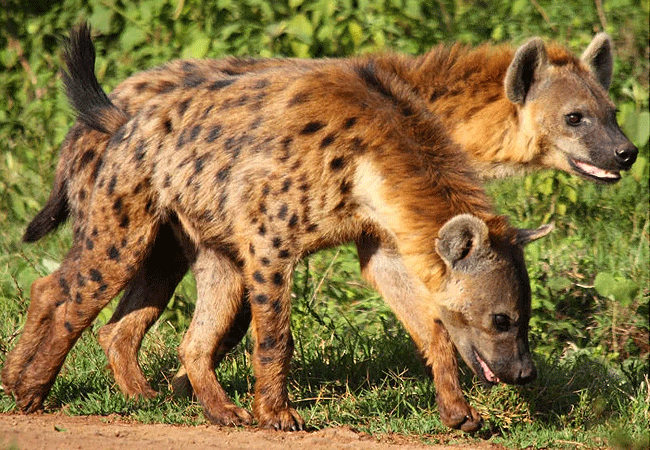
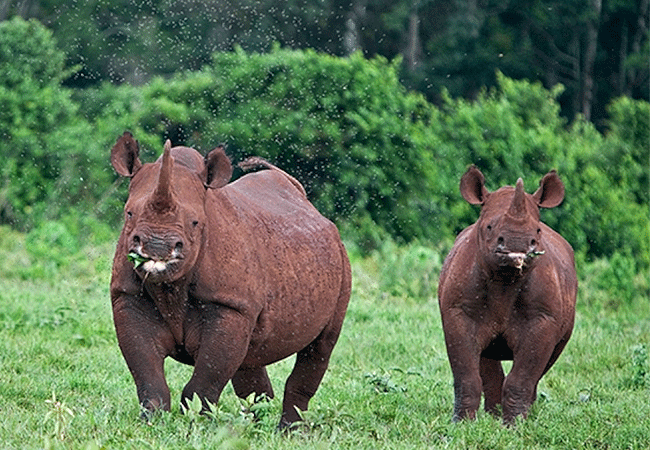
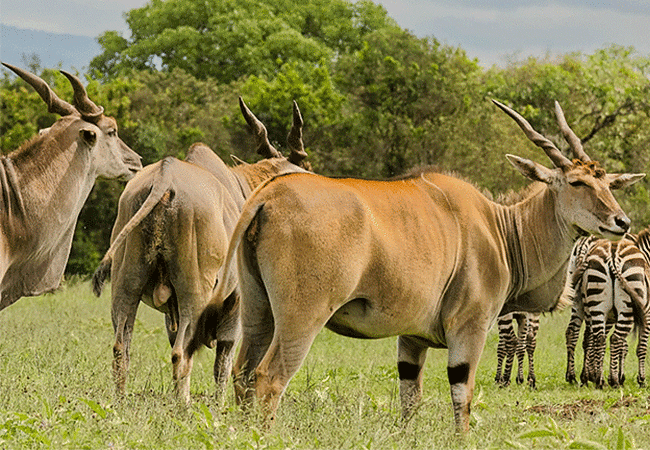
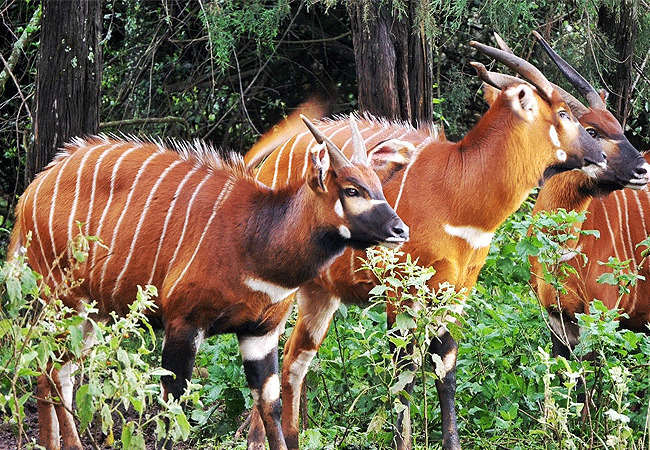
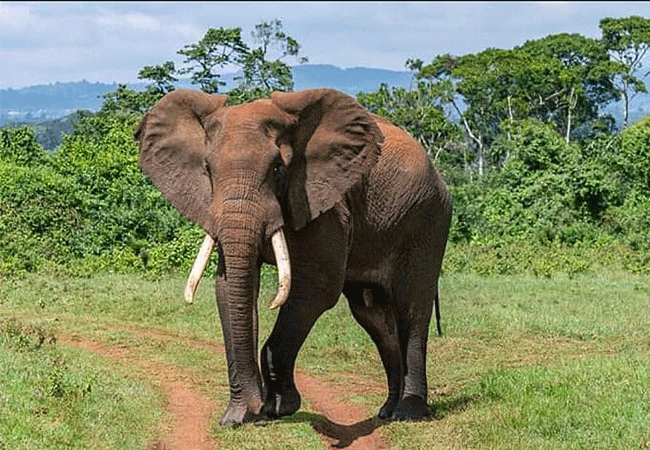
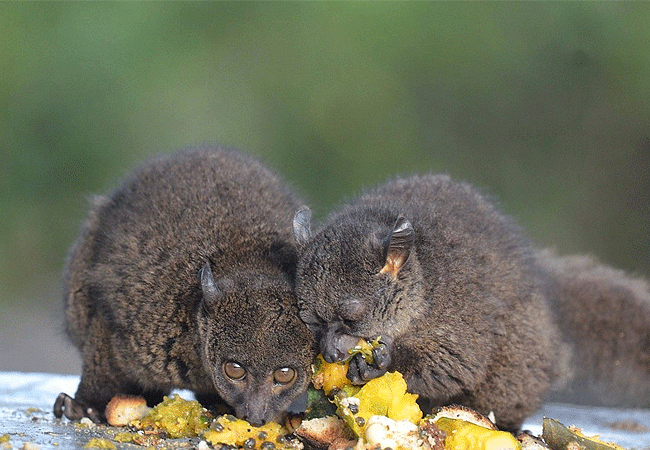
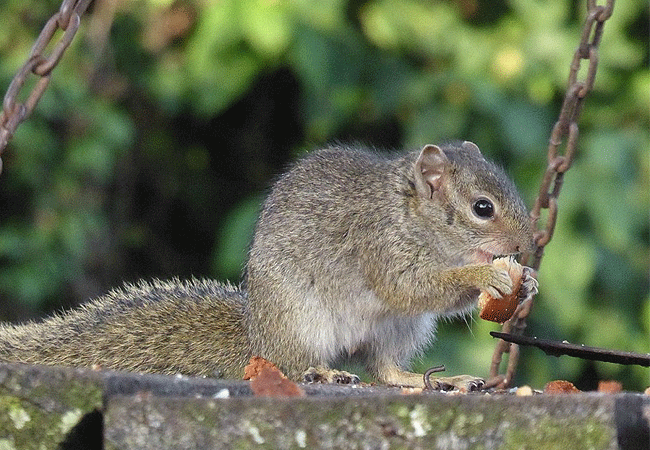
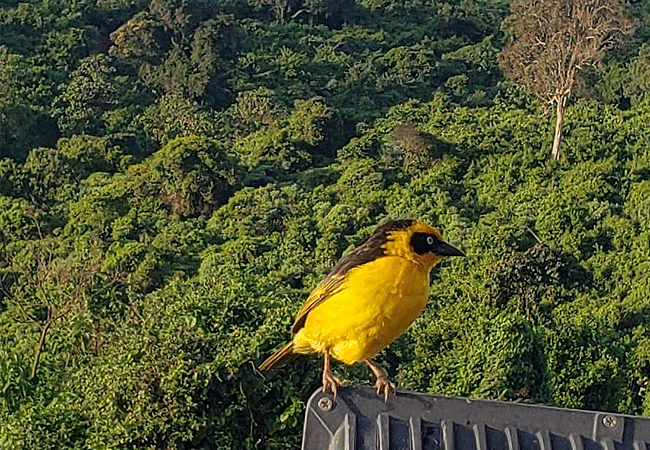
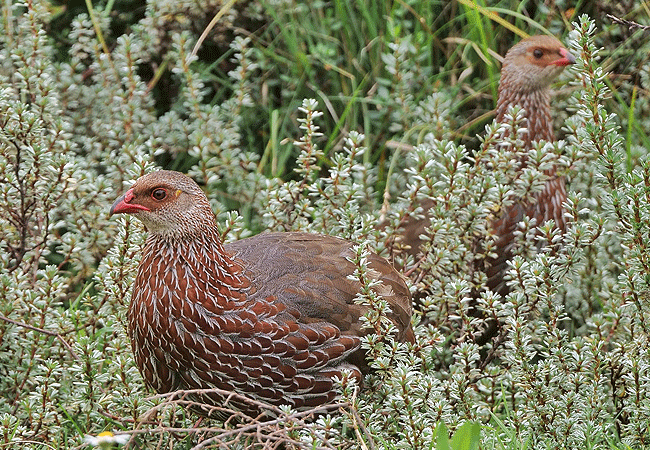
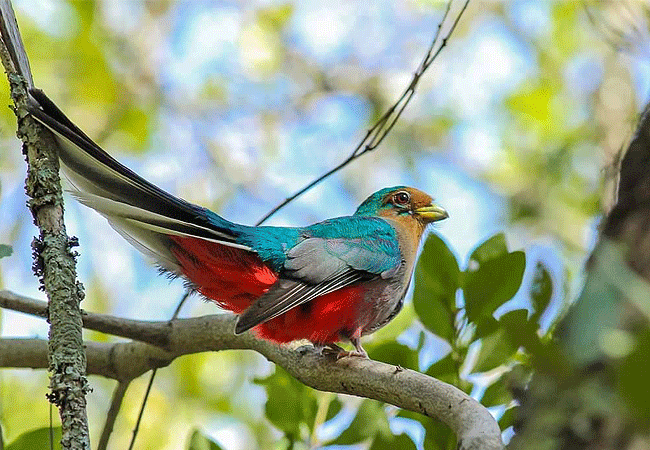
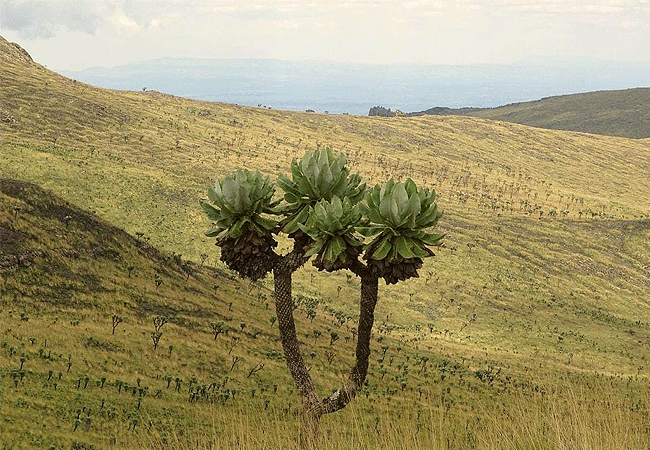
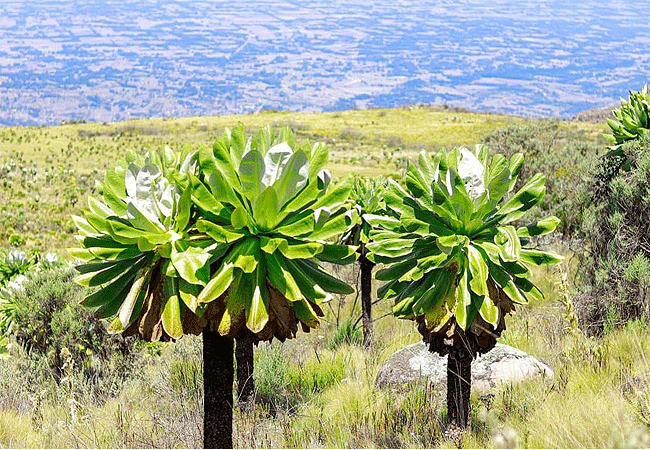
Aberdare National Park’s cool climate, pervading mists, cold rivers, streams, and unique vegetation create a paradise for distinct and unique wildlife species, some of these are very rare animal species such as the African golden cat and Bongo a giant antelope.
Other residents of the park are the large herds of elephants over 2,000 in number, East African wild dog, African civet cat, bushbuck, Golden cat, mountain reedbuck, waterbuck, cape buffalo, side-striped jackal, jackal, eland, giant forest hog, warthogs, olive baboon, black and white colobus monkeys, blue duiker, sykes monkeys, common zebra (North Aberdare), red duiker, and suni.
Sightings of spotted hyenas, bush pigs, serval cats, and on occasions the elusive black leopard are common in this park, the lion is also present here but not often spotted.
Animals like the melanistic serval cats can be found higher up in the moorlands. The Aberdare National Park also contains the second largest population of the Black Rhino, unique to Kenya.
Endemic species include The Aberdare Mole-shrew and Aberdare Mole-rat, and the Montane Viper (which occurs only here and on Mount Kenya).
In the cool glades of the park, you may see raptors such as buzzards and the African crown eagle, butterflies are plentiful as well, especially in the two major environments of the park – the forests and the moorlands.
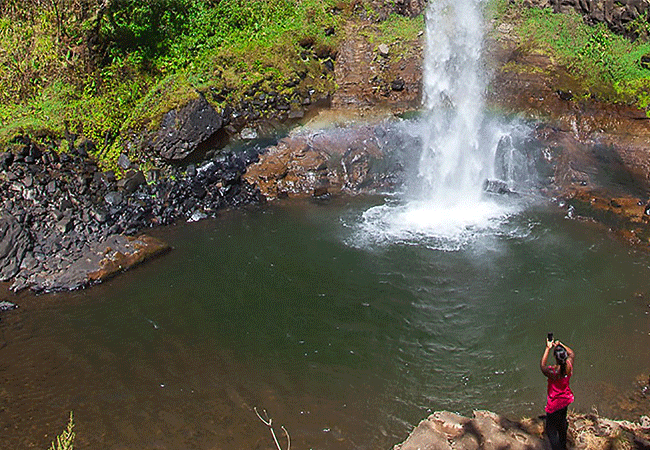
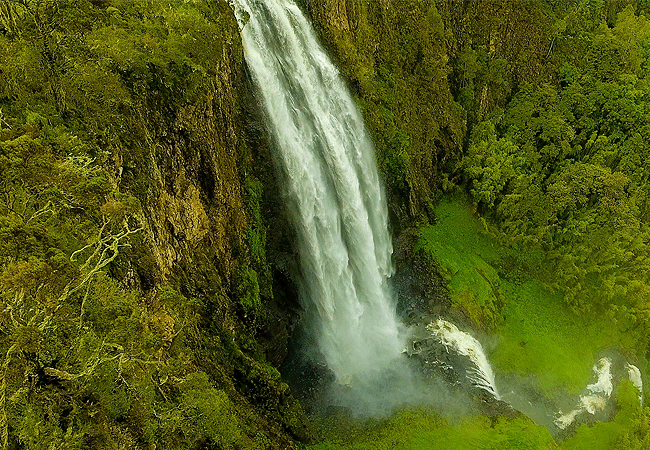
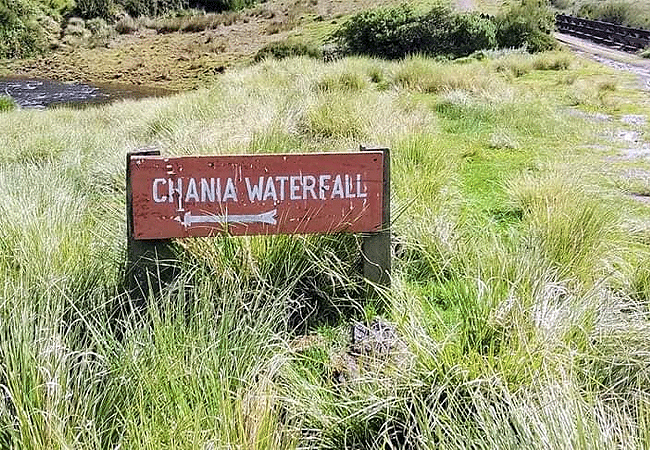
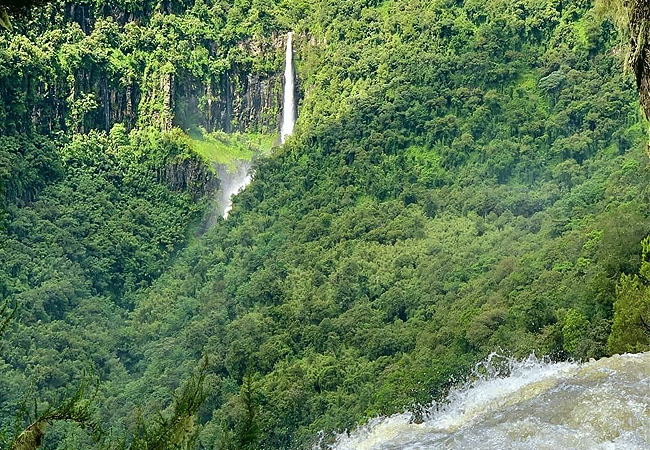
Apart from wildlife, Aberdare National Park inhabits magnificent waterfalls with the main ones being Karuru waterfalls which fall in three steps of 117, 26, and 130meters, making a total of 273meters high, Chania waterfalls and many other smaller ones in addition to many ridges and river valleys which create beautiful sceneries that usually attract scenery photographers.
Aberdare National Park Activities
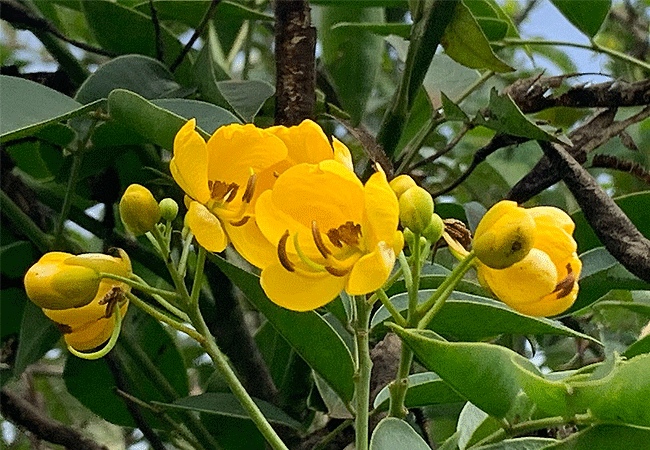
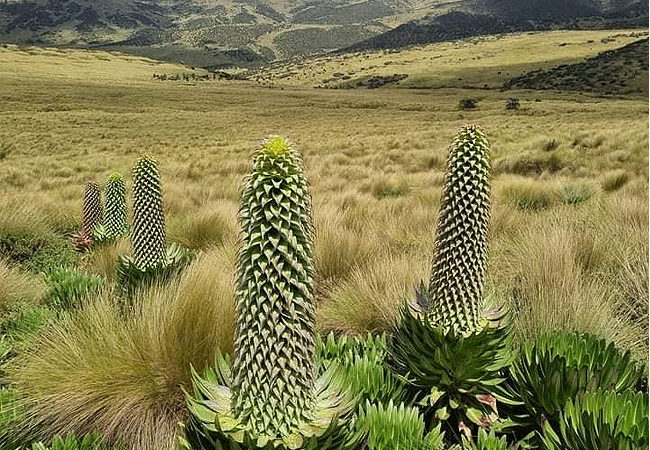
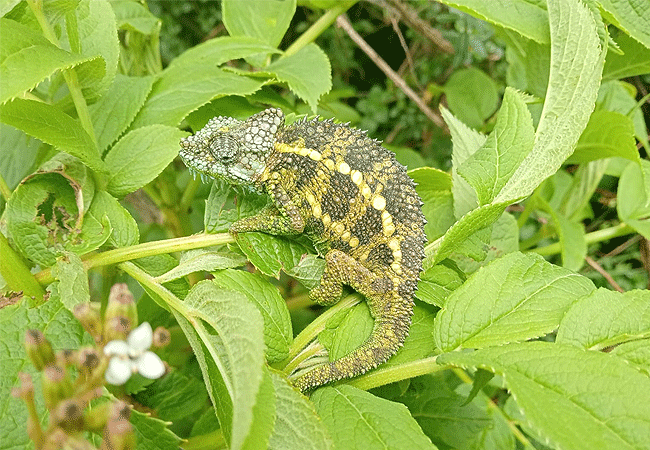
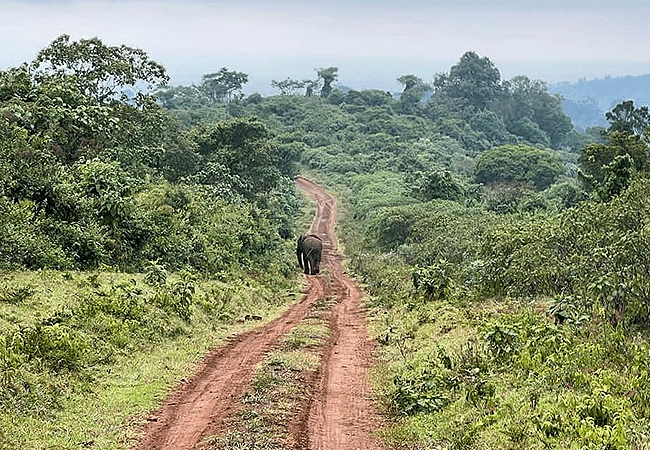
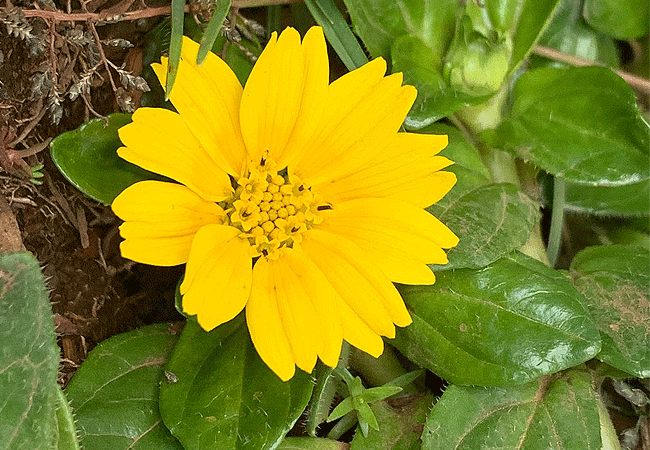
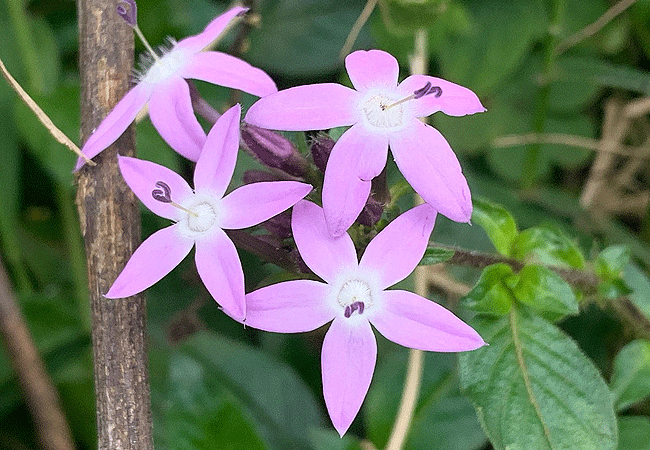
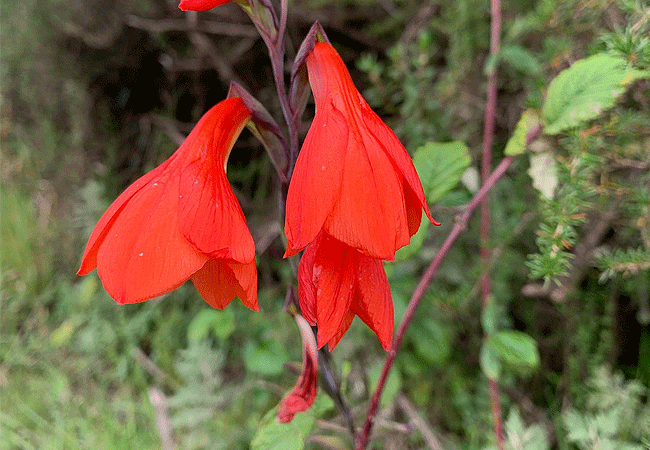
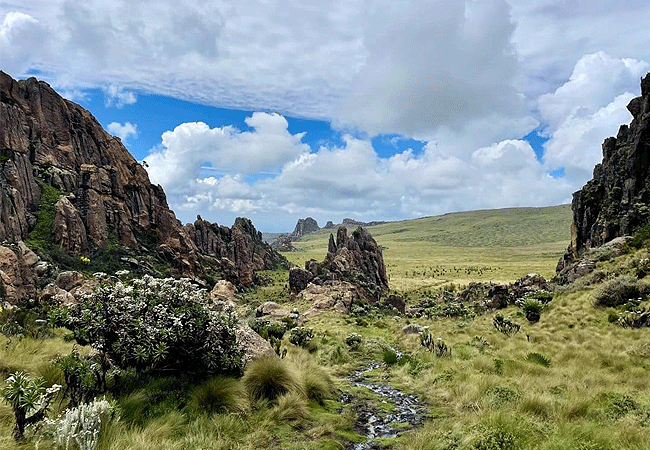
Game Drives and Animal Sightings
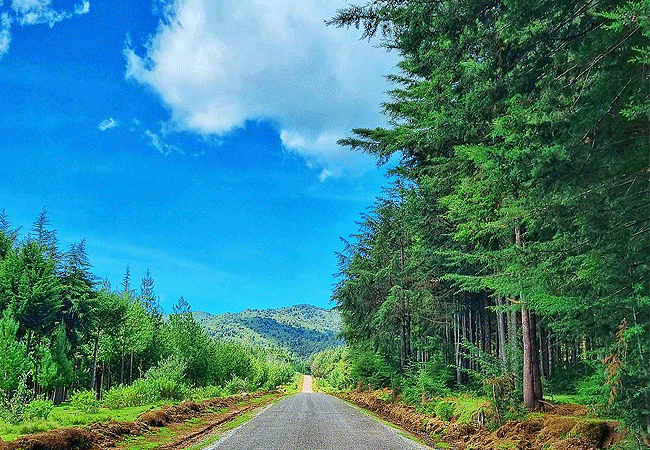
Aberdare National Park is celebrated for its incredible wildlife diversity, making it a premier destination for safari enthusiasts. Among the highlights are the Big Five: elephants, buffaloes, black rhinos, lions, and leopards. Guided game drives are a popular way to experience this wildlife firsthand. Typically conducted in specially designed safari vehicles, these drives allow visitors to explore the park’s varied terrains while providing optimal viewing opportunities.
The best times for game drives are early morning and late afternoon, coinciding with the peak periods of wildlife activity. During these times, visitors are more likely to witness the park’s inhabitants in their natural behaviors—whether it’s elephants foraging in the grasslands or leopards lounging in the trees. Beyond the Big Five, the park is home to several unique species, including the elusive bongo antelope and the striking black serval cat.
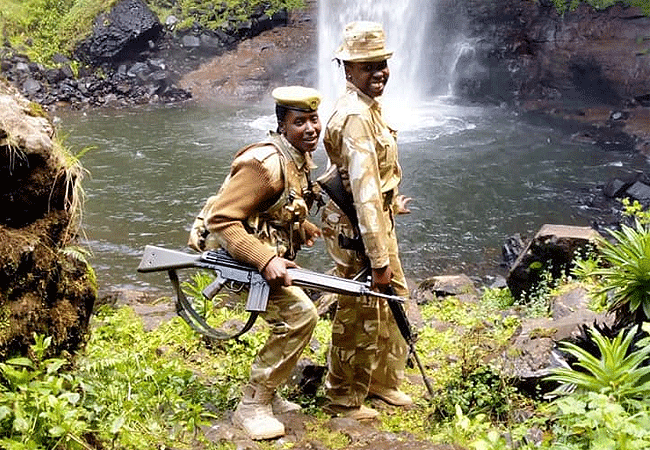
Guided by knowledgeable rangers, these drives not only focus on animal sightings but also educate visitors about the park’s ecology and conservation efforts. The experience is further enhanced by the stunning landscapes, ranging from lush forests to open moorlands, making each game drive a captivating adventure.
Bird Watching
For bird lovers, Aberdare National Park is a veritable paradise, boasting over 250 recorded bird species. The park’s diverse ecosystems; from dense montane forests to expansive moorlands create a rich habitat for avian life, attracting both amateur birdwatchers and seasoned ornithologists. Notable species include the giant kingfisher, sparrow hawks, and the endangered Aberdare cisticola, which is endemic to this region.
Bird watching in Aberdare is particularly rewarding due to the cool climate and abundant vegetation, which provide ideal conditions for spotting birds year-round. Visitors can engage in guided birdwatching tours, which focus on identifying various species and understanding their behaviors. The park’s birdlife is not just limited to larger species; it also hosts numerous smaller birds, including vibrant sunbirds and plovers.
In addition to the thrilling experience of spotting rare and beautiful birds, birdwatching in Aberdare offers the chance to immerse oneself in nature. The tranquil surroundings and the chorus of bird songs create an idyllic atmosphere for observing these feathered residents. Many birdwatchers also take advantage of the opportunity to capture stunning photographs of their sightings, adding another layer of enjoyment to this serene activity.
Excursions to Waterfalls
Aberdare National Park is home to several breathtaking waterfalls, including Gura and Karuru, which offer visitors the chance to appreciate the park’s natural beauty up close. These excursions typically involve short hikes along well-marked trails, leading to stunning viewpoints where the waterfalls cascade into lush pools below. The sound of rushing water, combined with the vibrant greenery surrounding the falls, creates a serene atmosphere that is perfect for relaxation and reflection.
The Gura and Karuru waterfalls are particularly popular spots for photography, where visitors can capture the stunning contrast of water against the verdant backdrop. These excursions not only provide a scenic escape but also an opportunity to observe the unique flora and fauna that thrive in the vicinity of the waterfalls. The cool mist from the falls attracts various bird species, making these areas ideal for birdwatching as well.
Visitors often find these excursions to be a highlight of their trip, as they provide a peaceful retreat from the more adventurous activities in the park. The combination of natural beauty and tranquility makes excursions to the waterfalls a must-do for anyone visiting Aberdare National Park.
Hiking and Trekking
Aberdare National Park offers a variety of hiking and trekking opportunities for adventurers looking to explore its stunning landscapes. The park features challenging trails leading to the dual peaks of Kinangop and Ol Donyo Lesitima, which reward hikers with breathtaking panoramic views of the surrounding countryside. These peaks are not only a test of endurance but also a chance to witness the unique ecological diversity found in this mountainous region.
For those seeking a less strenuous experience, the park also offers easier trails to Elephant Hills and Table Mountain. These routes allow visitors to immerse themselves in the rich ecosystems of Aberdare National Park while enjoying the chance to observe wildlife along the way. As hikers traverse these trails, they may encounter various animals, including monkeys, bushbucks, and even the rare black leopard.
Hiking in Aberdare National Park is not just about physical activity; it’s also a way to connect with nature and appreciate the beauty of the landscapes. The cool climate and varied terrains provide an ideal environment for exploration, making it a rewarding experience for both novice and experienced hikers.
Visit the Black Rhino Sanctuary
The Aberdare Black Rhino Sanctuary is an essential conservation area within the park, dedicated to protecting one of Africa’s most endangered species. This sanctuary is a part of broader efforts aimed at reversing the decline in black rhino populations due to poaching and habitat loss. Visitors to the sanctuary can learn about ongoing conservation efforts while enjoying the opportunity to see these magnificent creatures in their natural habitat.
Guided tours of the sanctuary provide insights into the challenges faced by black rhinos and the initiatives implemented to ensure their survival. The experience emphasizes the importance of wildlife conservation, helping visitors understand the delicate balance between human activity and the needs of endangered species.
Spotting black rhinos in the sanctuary can be a highlight of a visit to Aberdare National Park. These excursions not only contribute to awareness about conservation but also offer a chance to witness the beauty and majesty of one of Africa’s most iconic animals.
Historical Excursions
Aberdare National Park is rich in history, offering visitors the chance to explore significant sites like the Mau Mau Caves, also known as Kimathi’s Hideout. This historical site is linked to the Mau Mau movement, which played a crucial role in Kenya’s fight for independence. Guided tours provide a deeper understanding of the struggles faced by freedom fighters and the historical context of their actions.
Exploring these caves offers a unique perspective on Kenya’s colonial past, making this excursion both educational and impactful. Visitors can learn about the lives of key figures, including Jomo Kenyatta, and understand the sacrifices made in the pursuit of freedom.
This historical exploration adds a cultural dimension to the natural beauty of Aberdare National Park. By visiting these sites, tourists gain a more comprehensive understanding of the area’s significance, making their experience in the park even more meaningful.
Overnight Game Viewing
For an unforgettable experience, staying overnight in one of Aberdare National Park’s unique tree hotels, such as the Ark or Treetops, offers an immersive way to experience the park’s wildlife. These lodges provide stunning views of the surrounding landscape and opportunities for night-time game viewing. Guests can witness the park’s wildlife as it comes alive after dark, offering a different perspective on the animals that inhabit the area.
Treetops, in particular, holds historical significance as the site where Princess Elizabeth learned of her accession to the throne in 1952. Staying at these lodges allows guests to enjoy comfortable accommodations while remaining close to nature. Many rooms have viewing balconies that overlook waterholes, attracting a variety of wildlife, including elephants and leopards.
Overnight game viewing not only enhances the adventure but also provides a unique chance to connect with nature in a tranquil setting, making it a memorable part of any visit to Aberdare National Park.
Fishing and Horseback Riding
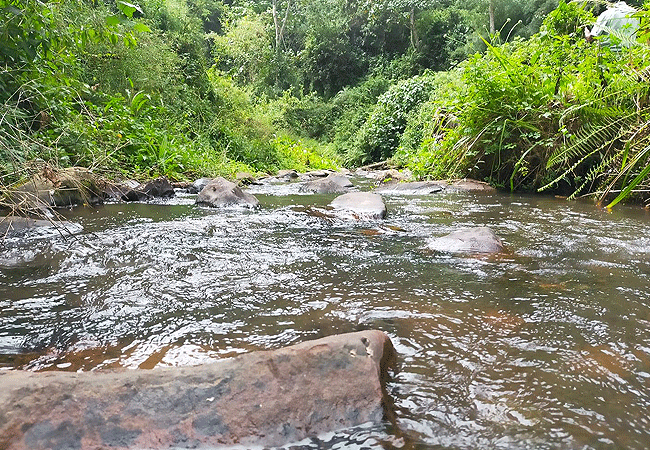
Fishing in the cold rivers and streams of Aberdare National Park is a popular activity, particularly for those seeking a peaceful day in nature. The park’s waters are known for their trout, providing anglers with excellent opportunities to cast lines amid stunning scenery. Many fishing spots are easily accessible and offer a serene environment for relaxation and contemplation.
In addition to fishing, horseback riding provides a unique way to explore the park. Guided horseback tours allow visitors to traverse various landscapes, offering a closer connection to nature and wildlife. Riding through the park’s picturesque terrains enables visitors to appreciate the area’s beauty while observing animals in a more intimate setting.
Both fishing and horseback riding are ideal activities for families or groups looking to enhance their Aberdare experience. They combine outdoor adventure with the tranquil beauty of the park, ensuring a memorable outing for all.
Aberdare National Park Accommodation
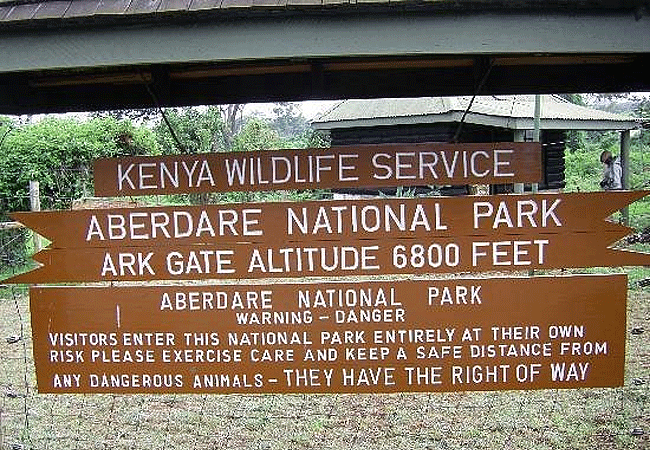
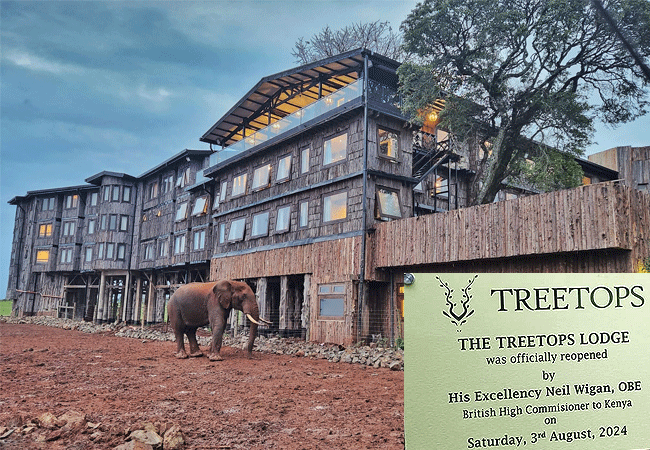
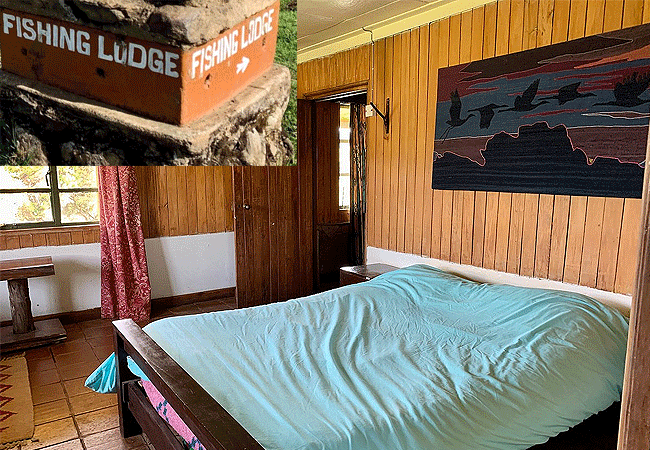
Treetops Lodge
Treetops Lodge stands as one of the most iconic and historically significant accommodations in Aberdare National Park. Its fame is largely tied to the fact that Queen Elizabeth II was staying here when she learned of her father’s death and her subsequent ascension to the British throne in 1952.
The lodge’s design is unique—built on stilts, it offers an elevated view of the surrounding wilderness. Overlooking a waterhole and salt lick, the lodge attracts a variety of wildlife, including elephants, buffaloes, and antelopes.
The lodge has open-air balconies that allow guests to observe animals both day and night, providing a continuous connection to the natural environment. With its rich history and strategic location for wildlife viewing, Treetops Lodge is a must-visit for anyone looking to combine luxury with immersion in the park’s vibrant ecosystem.
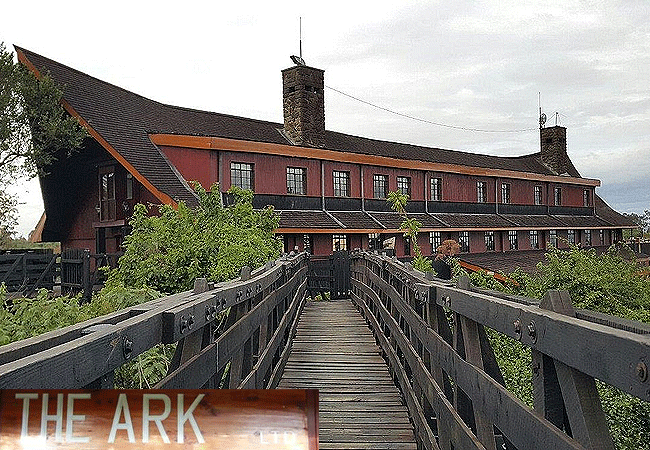
The Ark Tree Lodge Hotel
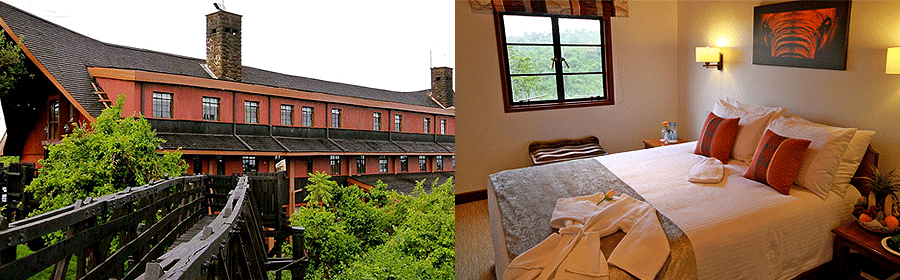
The Ark Lodge offers a similarly immersive experience but with a unique twist in its design. Styled after Noah’s Ark, this lodge is nestled deep within Aberdare’s forested region, providing a more secluded and intimate wildlife experience.
The Ark overlooks a large waterhole and salt lick, making it a hotspot for animal sightings throughout the day. The lodge features multiple decks and lounges, each designed to provide guests with sweeping views of animals such as rhinos, leopards, and elephants as they frequent the waterhole.
One of The Ark’s standout features is its night viewing options—spotlights illuminate the waterhole at night, allowing guests to continue watching wildlife activity even after dark. The secluded nature of The Ark combined with its innovative design creates an atmosphere of serenity, making it ideal for guests looking for a unique and immersive wilderness experience.
Fishing Lodge Aberdare
Fishing Lodge Aberdare is a self-catering guest house that caters to families and groups looking for a peaceful retreat in Aberdare National Park. Located next to a quiet river, the lodge offers guests a tranquil environment, making it perfect for those who enjoy fishing, nature walks, or simply relaxing.
The lodge is equipped with a fully functional kitchen and cozy living spaces, allowing visitors to prepare their meals and feel at home amidst the natural beauty of the park. Its location provides plenty of opportunities for birdwatching and nature exploration, making it an ideal spot for guests who prefer to stay away from the busier areas of the park and enjoy the solitude of the wilderness. Fishing Lodge is particularly suited for those who value privacy and peace during their stay.
The campsites allow visitors to explore the environment and visitors are recommended to carry with them firewood to keep warm at night. Some of the popular campsites include; Mringato (M1), Kiguru (K1), Prince Charles, Kifaru (K2), Queen Beatrix (M5), Bongo (M2, Nyati (M3), Honi Campsite, and Reedbuck-at The Moorland.
Booking & Reservations Aberdare National Park Contact
Mobile: +254-721-242-711
WhatsApp: +254-721-242-711
Reservations: +254 718-179-967
Email: [email protected]
Website: https://africanspicesafaris.com