
The Great Wildebeest Migration | Serengeti-Mara Ecosystem in East Africa
The Great Wildebeest Migration is universally regarded as one of the most breathtaking and dramatic natural spectacles on the planet. Far from being a single, short-lived event, it is a continuous, 365-day-a-year phenomenon. Driven by primal survival instincts and the search for fresh, mineral-rich grazing and water, millions of nomadic herbivores traverse the plains of East Africa in an endless cycle of life, death, and renewal.
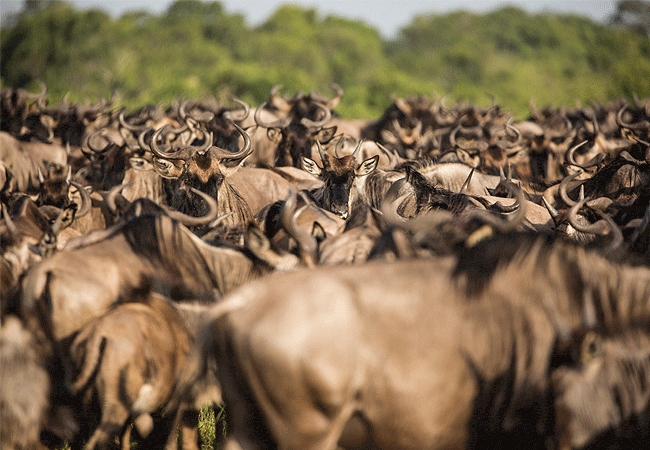
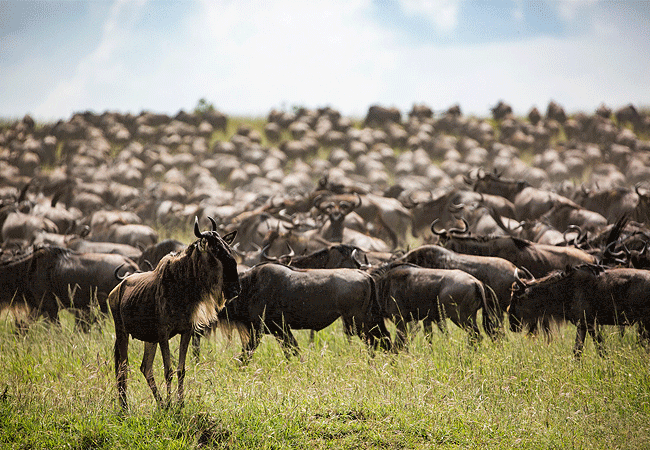
This immense, lemming-like movement not only sustains the animals but keeps the entire savannah ecosystem fertile and thriving. The sheer scale of the migration is so massive that the great columns of animals, sometimes packing in at up to 1,000 animals per square kilometer, can actually be seen from space.
The Migration By the Numbers
To truly understand the magnitude of this mammalian avalanche, you have to look at the staggering numbers involved:
✓ 1.5 Million+ Wildebeest: Making up roughly 60% of the entire migration
✓ 400,000 Zebras: The vital traveling companions of the wildebeest
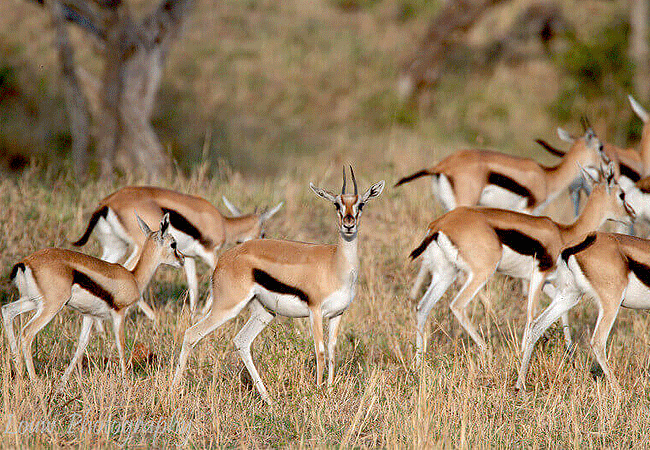
✓ 300,000 Gazelles: Including both Thomson’s and Grant’s gazelles
✓ 12,000 Eland: The largest of the antelope species joining the trek
✓ 800 to 1,000 Kilometers: The distance each individual animal covers on this arduous, clockwise circular journey
Where the Migration Happens: The Mara-Serengeti Ecosystem
The Great Migration does not belong to just one park or one country; it takes place across a vast, cross-border region known as the Mara-Serengeti ecosystem. Spanning the borders of Kenya and Tanzania, this untamed wilderness covers an astonishing area of over 24,000 square kilometers.
While the herds follow a general clockwise route, they traverse distinct, iconic landscapes across the two nations:
Kenya: The Masai Mara
Serving as the northernmost point of the migration, Kenya’s Masai Mara is where the herds spend several months reaping the rewards of their long trek.
✓ Private Conservancies: The migration also spills over into the adjoining, highly exclusive private wildlife conservancies, such as Mara North and Olare Orok, which offer quieter, crowd-free viewing of the mega-herds
✓ Masai Mara National Reserve: Though much smaller in land area than the Serengeti, the Mara boasts an unparalleled density of wildlife. Its open savannah landscapes are the prime stage for the world-famous Mara River crossings
Tanzania: The Serengeti & Ngorongoro
The animals spend the vast majority of their yearly cycle within Tanzania. The Tanzanian side of the ecosystem is immense, with the Serengeti National Park alone covering almost 15,000 square kilometers (roughly 97% of the total ecosystem).
✓ Adjacent Reserves: The route also encompasses surrounding protected areas, including the Masawa Game Reserve
✓ The Ngorongoro Conservation Area: Specifically, the Ndutu Plains in the deep south, where the herds mass from January to March for the calving season
✓ Serengeti National Park: The herds travel from the southern plains, up through the central Seronera region, across the Western Corridor (home to the Grumeti River), and into the northern Lobo, Kogatende, and Lamai regions
The Driving Force Behind the Migration
While it remains somewhat of a scientific mystery exactly how the wildebeest know which direction to travel, their arduous journey is fundamentally dictated by a primal response to the weather. The herds are in a perpetual quest for water and the growth of new, mineral-rich grass necessary for their survival and the nursing of their young.
Remarkably, wildlife experts believe the animals can sense and react to lightning and thunderstorms from over 50 kilometers away. This incredible natural instinct acts as a compass, guiding them toward fresh rainfall across the vast Mara-Serengeti ecosystem.
The Grazing Succession
When observing the Great Migration, it is easy to assume it is simply a chaotic stampede. In reality, it is a highly synchronized, symbiotic ecological process. The three main groups of migrant grazers share a unique “grazing succession” that maintains the delicate balance of the plains, ensuring there is enough food for everyone:
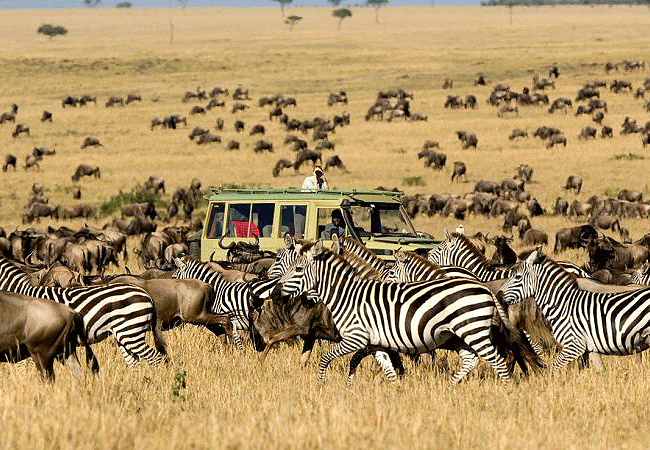
✓ Zebras: As the trailblazers of the migration, zebras are the first to arrive in a new area. Their digestive systems allow them to tackle the toughest job: cropping down the tallest, coarsest grasses that the other animals cannot digest
✓ Wildebeest: The massive wildebeest herds follow closely behind. With the tall grass cleared by the zebras, they can feed on the shorter, fresher, and more nutritious green shoots that sprout afterward
✓ Thomson’s & Grant’s Gazelles: Moving in last, the smaller antelopes take advantage of the newly trimmed lawns, nibbling on the remaining tender grasses and ground-level herbs that the larger animals left behind
Because of this harmonious feeding habit, each species sticks mostly with its own kind. This allows millions of animals to move together along the same migration route with surprisingly limited competition for their specific food sources.
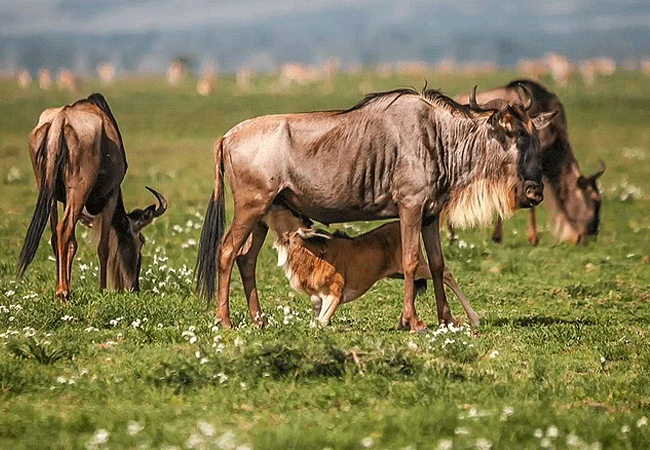
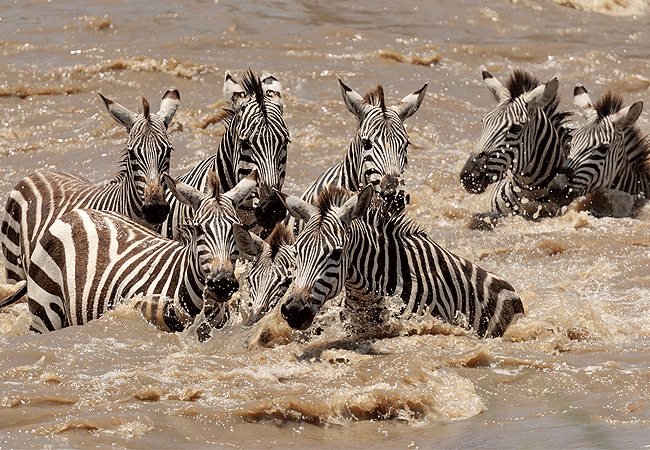
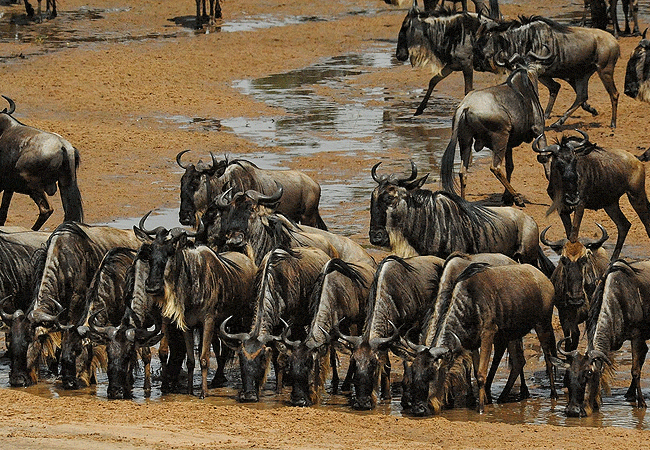
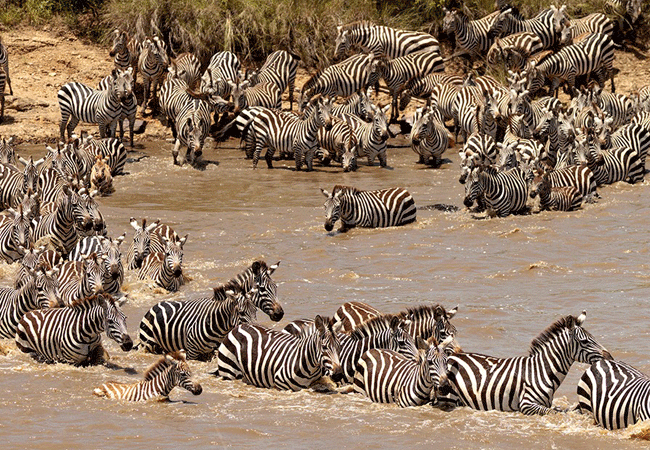
The Great Wildebeest Migration Calander
While the Great Migration is a year-round journey across the Mara-Serengeti ecosystem, its timing shifts each year slightly depending on unpredictable rains. Understanding where the herds are expected to be each month is the key to planning a successful safari. Here is a detailed guide to the annual migration cycle:
January to March: Calving Season
✓ Location: The Ndutu Plains (Ngorongoro Conservation Area) and Southern Serengeti
✓ The Action: The year begins with millions of wildebeest, zebras, and antelopes massing on the short-grass plains of the deep south. They gather here to feed on the nutrient-rich grasses and prepare for the birth of their young
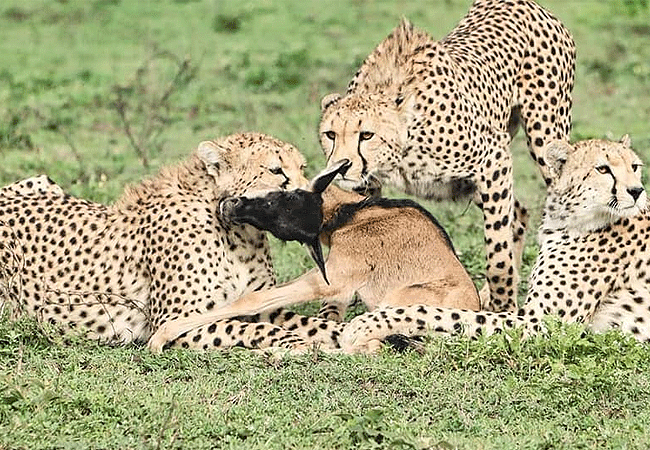
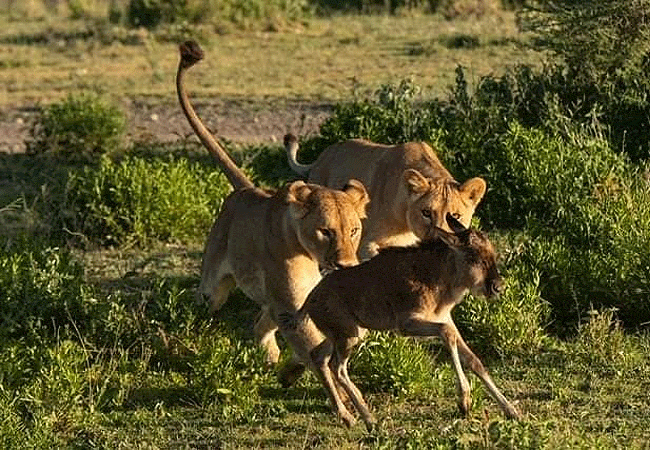
✓ Key Highlights: February is the peak of the calving season. During a brief window, an astonishing 8,000 wildebeest calves are born every single day. Remarkably, these baby gnus can walk within two minutes of their birth. Because the herds are stationary while nursing, and the plains are filled with vulnerable newborns, this is an absolute magnet for predators.
It is one of the best times and places in Africa to witness dramatic predator interactions with lions, leopards, and cheetahs. By late March, as the plains begin to dry, the herds slowly begin their northward journey.
April to June: The Long Trek North & The Rut
✓ Location: Moving northwest toward the Central and Western Serengeti
✓ The Action: As the herds search for fresh grazing and water, they form massive columns—sometimes stretching up to 40 kilometers (25 miles) in length, funneling up through the central and western corridors.
✓ Key Highlights: May marks the “rut” or mating season. Testosterone fills the air as noisy males aggressively compete for females’ attention, offering spectacular displays of animal behavior. By June, the early arrivals face their first major aquatic obstacle: the Grumeti River crossing. While generally shallower and less dramatic than the Mara River, the Grumeti is still infested with Nile crocodiles. This crossing offers a quieter, more remote viewing experience compared to the bustling peak-season crowds later in the year.
July to October: The Peak Spectacle & Mara River Crossings
✓ Location: Northern Serengeti and the Masai Mara National Reserve
✓ The Action: This is the highly anticipated peak of the migration. The surviving herds have reached the northern edges of the ecosystem and are peering closely at the brown waters of the rivers they must cross to enter Kenya’s Masai Mara.
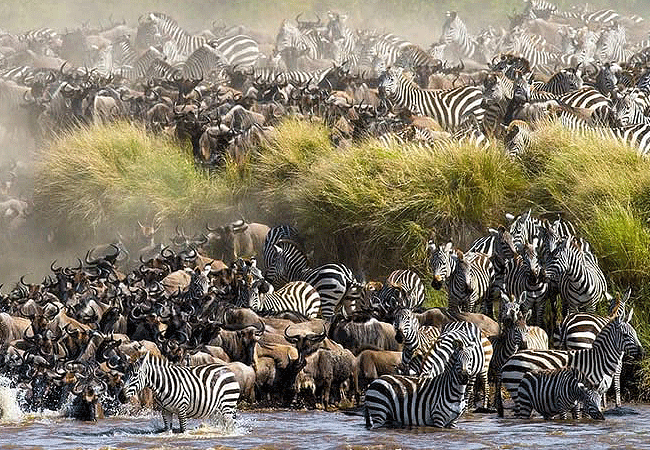
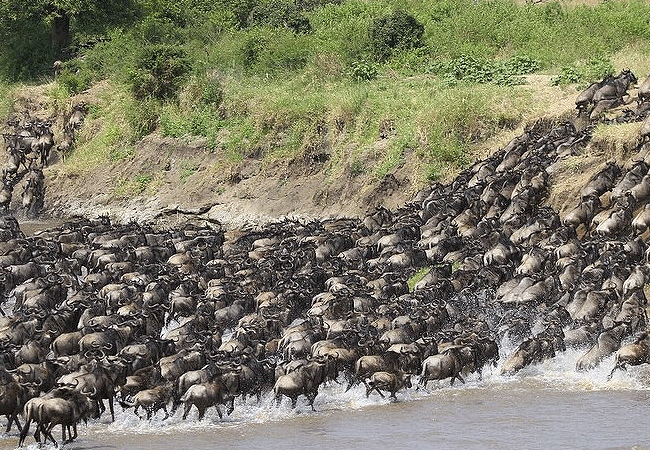
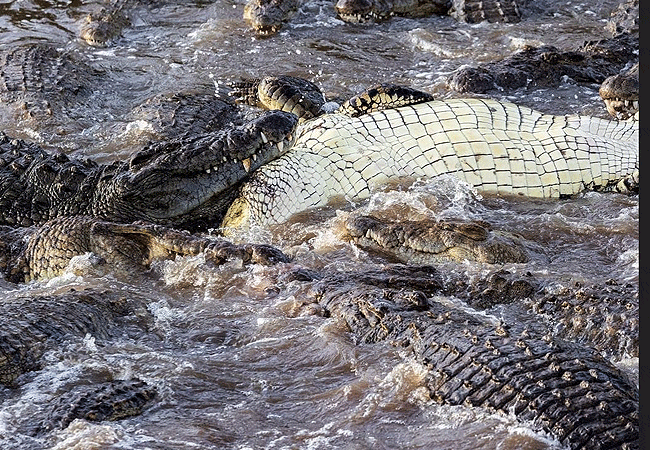
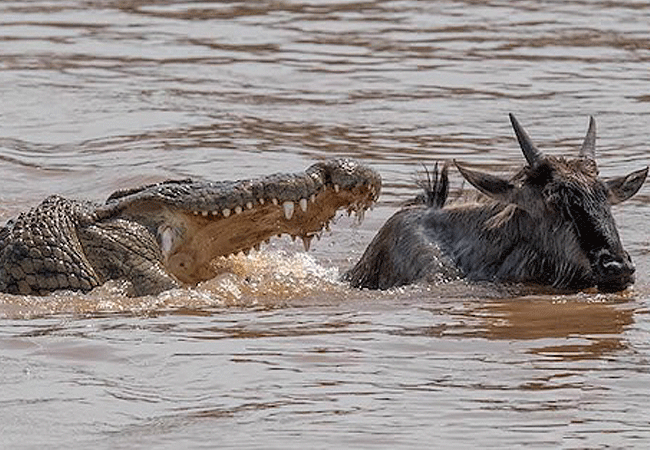
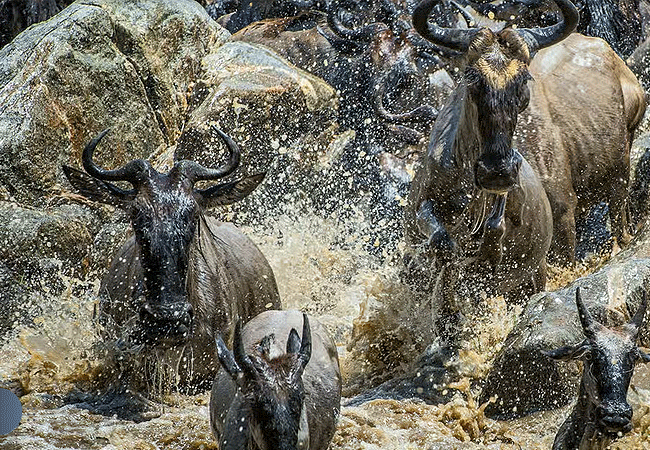
✓ Key Highlights: From late July into August, the famous Mara River crossings take place. The lemming-like herds gather on the steep banks, growing increasingly agitated until panic ensues and they plunge into the fast-flowing, murky waters. They must battle strong currents and over 3,000 massive Nile crocodiles waiting patiently for a meal, while big cats lie in ambush on the opposite shores.
By September, the chaos settles, and the herds spread out to enjoy the lush, green pastures of the Masai Mara. October brings the start of the rains, signaling the herds to prepare for their return journey.
November to December: The Return South
✓ Location: Heading south through the eastern Serengeti (Lobo, Mbuze Mawe, Seronera Valley) back toward the Ndutu plains
✓ The Action: Triggered by the arrival of the short rains, the herds leave the Masai Mara and begin their trek back down into Tanzania.
✓ Key Highlights: The herds migrate with renewed purpose, passing through the northern and eastern Serengeti regions like Kogatende, Lamai, and the Lobo area. They find fresh grazing and abundant water as the landscape turns into a vibrant, green paradise. By December, the migration completes its full 1,000-kilometer circle, arriving back on the southern plains just in time for the calving cycle to begin all over again.
The Great Wildebeest Migration River Crossings
As the herds make their long journey across the Mara-Serengeti ecosystem, they eventually face their greatest and most perilous obstacles: the river crossings. Driven by an unstoppable instinct to reach fresh grazing, the wildebeest and zebras must cross deep, crocodile-infested waters. These crossings are the most highly anticipated events of the migration, representing a brutal, dramatic test of survival.
There are two major rivers the herds must navigate to reach the Masai Mara. While both offer incredible wildlife viewing, they provide vastly different safari experiences depending on what you are looking for.
The Mara River Crossing
The Mara River crossing is the undisputed climax of the Great Migration. Taking place across the border of the Northern Serengeti and the Masai Mara National Reserve, this is the epic, chaotic spectacle that safari fantasies and prime-time wildlife documentaries are made of.
✓ Timing: The crossings begin as early as late July and continue into late September, with the absolute peak frequency occurring in August
✓ The Water & Terrain: The Mara River is full, fast-flowing, and features steep, treacherous banks. The herds will often gather on the southern edge for days, growing increasingly agitated and terrified to enter the muddy waters until the pressure builds. Suddenly, a few brave (or panicked) animals leap in, triggering a frantic mammalian avalanche
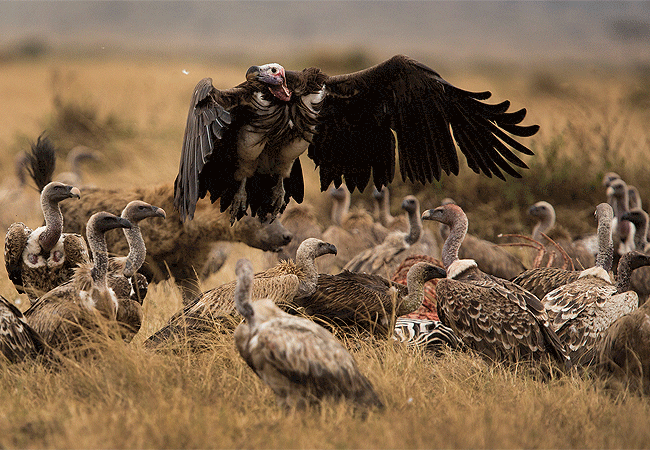
✓ The Predators: The waters are heavily infested with over 3,000 giant Nile crocodiles lying in wait. The animals must survive the snapping jaws, the crushing weight of the panicked herd, the steep, slippery banks (where broken legs are common), and the fast currents, only to be met by lions, leopards, cheetahs, and hyenas waiting in ambush on the opposite side. It is a true theatre of life and death
✓ The Safari Experience: Witnessing this raw display of nature is unforgettable, but it requires patience and planning. Crossings happen incredibly fast, often lasting only a few minutes, and are entirely unpredictable. Because this is the most famous event of the migration, August is the peak season. Safari vehicles will queue up at known crossing points, meaning you will be sharing this high-stakes drama with plenty of other eager travelers
The Grumeti River Crossing
Located in the Western Corridor of the Serengeti, the Grumeti River crossing is the first major aquatic obstacle for the herds. While less famous than the Mara, it offers an exceptional and highly exclusive wildlife experience.
✓ Timing: Typically occurs from June to August as the herds funnel up into the central and western Serengeti
✓ The Water & Terrain: The Grumeti River is generally shallower and slower-moving than the Mara River. As a result, the crossings here are often less chaotic and lack the sheer vertical drops found further north
✓ The Predators: While the water is calmer, it is still home to massive, hungry Nile crocodiles waiting for the herds. Additionally, the surrounding Grumeti Reserve boasts some of the largest lion prides in Africa, ensuring incredible predator action along the riverbanks
✓ The Safari Experience: What the Grumeti lacks in high-octane drama, it more than makes up for in remoteness and quietude. Because the peak crowds flock to the Mara, the Grumeti Reserve remains beautifully uncrowded. It is entirely possible to have a spectacular river crossing, and the riverbank, completely to yourself
The Great Wildebeest Migration Activities & Accommodation
Experiencing the Great Migration is about more than just being in the right place at the right time; it is about how you choose to explore the wilderness and where you rest your head at night. The Mara-Serengeti ecosystem offers a diverse range of thrilling activities and lodging options tailored to suit every traveler’s style and budget.
How to Experience the Migration: Safari Activities
To truly appreciate the magnitude of the migration, it is best to mix different types of excursions.
✓ Game Drives: The quintessential and most popular safari experience. Head out in specialized, open-sided 4×4 vehicles with expert driver-guides during the crisp early mornings and late afternoons. These drives offer front-row seats to the mega-herds, high-stakes predator-prey interactions, and the chaotic river crossings. Because the terrain is vast, skilled guides use their deep knowledge of animal behavior to position you at the best vantage points for wildlife viewing and photography
✓ Hot Air Balloon Safaris: For a truly unmatched perspective, take to the skies just before dawn. Floating silently above the sprawling savannah allows you to fully comprehend the sheer, staggering scale of the migration as endless columns of wildebeest stretch to the horizon. You will watch the plains awaken from above, and the magical flight typically concludes with a luxurious bush-style champagne breakfast right where you land
✓ Guided Walks & Cultural Tours: Step out of the vehicle to experience the bush on a micro-level. Accompanied by armed rangers and experienced Maasai guides, walking safaris allow you to track animal footprints, learn about medicinal flora, and understand the intricate, smaller details of the ecosystem. Many itineraries also offer respectful visits to local Maasai villages (manyattas) to learn about their deep-rooted culture, traditional beadwork, and historic coexistence with the wildlife
Where to Stay: Choosing Your Basecamp
Accommodation in the Masai Mara ranges from opulent, permanent lodges to rustic, immersive budget camps. Because the migration draws visitors from all over the globe, securing your Basecamp well in advance is absolutely critical.
Luxury Lodges & Tented Suites
Ideal for travelers seeking the ultimate in comfort, world-class dining, and premium amenities after a long, dusty day in the bush. These properties often feature swimming pools, spa services, and spectacular panoramic views, flawlessly blending refined elegance with raw nature.
✓ JW Marriott Masai Mara: A pinnacle of modern luxury offering refined, spacious tented suites, exceptional culinary experiences, and wellness facilities, all set beautifully along the forested banks of the Talek River
✓ AndBeyond Kichwa Tembo Tented Camp: Set on a private concession with sweeping, uninterrupted views of the Mara plains. It offers classic safari elegance, an iconic rim-flow pool, and outstanding, highly personalized service
✓ Angama Safari Camp Masai Mara: An exclusive, light-footprint tented camp positioned perfectly in the heart of the action. It offers extreme privacy, flexibility, and the renowned Angama standard of luxury, making you feel entirely secluded in the wilderness
Budget & Adventure Tented Camps
Perfect for adventurous travelers and those seeking an authentic, close-to-nature experience without breaking the bank. These camps provide the essential comforts—such as comfortable beds and en-suite bathrooms—while maintaining a raw, immersive connection to the surrounding wilderness.
✓ Mara Choroa Camp Masai Mara: A comfortable, budget-friendly option located just outside the reserve, offering excellent access to the park gates and an authentic, friendly bush atmosphere
✓ Julias River Camp Masai Mara: Excellently situated right on the banks of the Talek River, offering an intimate, affordable eco-camp experience where guests can often hear hippos grunting and splashing directly from their tents.
✓ Enchoro Wildlife Camp Masai Mara: Nestled in a quiet environment, this budget-friendly camp provides classic canvas tents with hot showers and a lively communal dining area, perfect for sharing stories after a day of game viewing.
Booking, Reservations & Inquiries about the The Great Wildebeest Migration Contact
Mobile: + 254-721-242-711
WhatsApp: +254-721-242-711
Reservations: +254 718-179-967
Email: [email protected]
Website: https://africanspicesafaris.com